Unveiling the Origins of Bonsai: A Comprehensive Guide

Bonsai: A Journey Through Time and Nature’s Embrace
Unveiling the Origins of Bonsai: A Comprehensive Guide

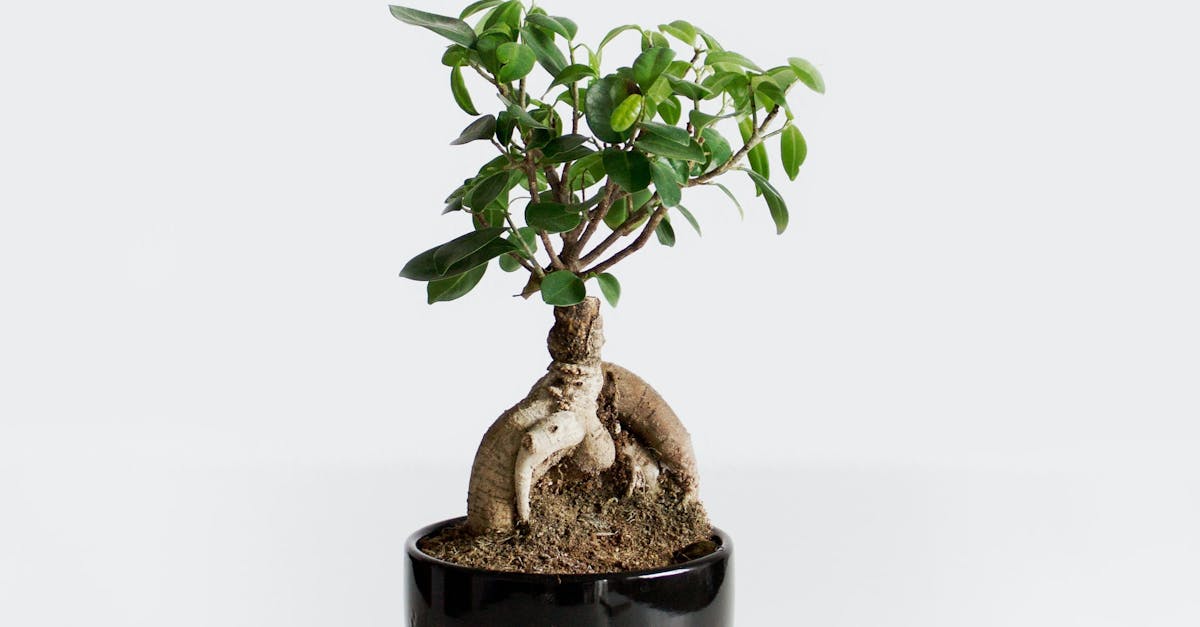
Step into the enchanting world of bonsai, an ancient art form that captures the beauty and tranquility of nature in miniature. Originating in the serene landscapes of China and Japan centuries ago, bonsai has evolved into a captivating horticultural practice that transcends time and cultures.

From its humble beginnings as penjing in China to its profound cultural significance in Japan, bonsai has left an enduring legacy as both an art form and a profound representation of harmony with nature. This comprehensive guide delves into the rich history, essential techniques, cultural symbolism, and modern trends that shape the world of bonsai, unveiling the secrets behind its enduring appeal.

1. The Ancient Roots of Bonsai

The Ancient Roots of Bonsai

Bonsai, the art of cultivating miniature trees in containers, has a rich history that can be traced back to ancient practices in China and Japan. The origins of bonsai can be found in the Chinese art form of penjing, which dates back to the Han Dynasty (206 BCE – 220 CE). Penjing, which literally translates to “tray landscape,” involved creating miniature landscapes in shallow containers, often using rocks, water features, and small trees or shrubs.

Over time, penjing evolved into a more refined art form, with a focus on creating miniature trees that captured the essence of nature in a small space. These early bonsai trees were prized by the Chinese elite and were often used to decorate scholar’s studios and gardens.

In the 12th century, bonsai was introduced to Japan by Buddhist monks. The Japanese were immediately captivated by this art form and began to develop their own unique style of bonsai. Japanese bonsai is characterized by its emphasis on asymmetry, simplicity, and naturalism. Bonsai became a popular pastime in Japan, and it was eventually adopted by all levels of society.

Origins in China: Penjing

Origins in China: Penjing

The origins of bonsai can be traced back to the ancient Chinese art of penjing, which literally translates to “tray landscape.” Penjing is a horticultural practice that involves creating miniature landscapes in shallow containers, often using rocks, water features, and small trees or shrubs. Penjing can be traced back to the Han Dynasty (206 BCE – 220 CE), and it is believed to have been influenced by Taoist and Buddhist philosophies.

Early penjing landscapes were often used to represent famous mountains or scenes from Chinese mythology. Over time, penjing evolved into a more refined art form, with a focus on creating miniature trees that captured the essence of nature in a small space. These early bonsai trees were prized by the Chinese elite and were often used to decorate scholar’s studios and gardens.

Chinese penjing has a number of unique characteristics that distinguish it from Japanese bonsai. Penjing landscapes are often more elaborate and complex, and they may include a variety of different elements, such as rocks, water features, and buildings. Chinese penjing trees are also typically larger than Japanese bonsai trees, and they may be trained to grow in a variety of different shapes and styles.

Spread to Japan: Bonsai

Spread to Japan: Bonsai

Bonsai was introduced to Japan in the 12th century by Buddhist monks. The Japanese were immediately captivated by this art form and began to develop their own unique style of bonsai. Japanese bonsai is characterized by its emphasis on asymmetry, simplicity, and naturalism. Bonsai became a popular pastime in Japan, and it was eventually adopted by all levels of society.

Japanese bonsai has a number of unique characteristics that distinguish it from Chinese penjing. Japanese bonsai trees are typically smaller than Chinese penjing trees, and they are often trained to grow in a more natural and informal style. Japanese bonsai also places a greater emphasis on the use of empty space, and the overall composition of the tree is considered to be just as important as the individual branches and leaves.

Bonsai has a deep cultural significance in Japan. Bonsai trees are often seen as symbols of longevity, resilience, and harmony with nature. Bonsai is also closely associated with Zen Buddhism, and it is often used as a tool for meditation and contemplation.

2. Bonsai Techniques and Styles
Bonsai Techniques and Styles

Bonsai cultivation involves a variety of essential techniques and diverse styles that contribute to the unique character and aesthetic appeal of miniature trees. These techniques include shaping, pruning, and training, which are employed to control the growth and form of the tree and to create a harmonious composition.

Shaping is the process of physically manipulating the trunk and branches of a tree to create the desired shape and structure. This can be done through bending, wiring, and grafting techniques. Pruning involves selectively removing leaves, branches, and roots to control the growth and density of the tree. Training refers to the use of techniques such as pinching, defoliation, and root pruning to encourage the development of specific characteristics, such as smaller leaves or a more compact growth habit.

There are numerous bonsai styles, each with its own unique characteristics and aesthetic principles. Some of the most common styles include the formal upright style, which emphasizes a straight trunk and symmetrical branches; the informal upright style, which has a more relaxed and natural appearance; and the slanting style, which features a trunk that leans to one side. Other popular styles include the cascade style, which has a trunk that flows over the edge of the pot; the literati style, which is characterized by its elongated trunk and sparse foliage; and the root-over-rock style, which involves training the roots of the tree to grow over a rock.

Pruning and Shaping

Pruning and Shaping

Pruning and shaping are essential techniques in bonsai cultivation, used to control the growth and form of the tree and to create a harmonious composition. Pruning involves selectively removing leaves, branches, and roots to achieve specific goals, such as reducing the size of the tree, encouraging the growth of new branches, or improving the overall balance of the tree. Shaping refers to the process of physically manipulating the trunk and branches of the tree to create the desired shape and structure. This can be done through bending, wiring, and grafting techniques.

Pruning can be performed using a variety of cutting methods, including scissor cuts, knife cuts, and pinching. The type of cut used will depend on the size and location of the branch being removed. It is important to make clean cuts that do not damage the tree’s bark or underlying tissues. Shaping techniques can be used to create a variety of different forms, including straight trunks, curved trunks, and slanted trunks. The position and角度of the branches can also be manipulated to create a more aesthetically pleasing composition.

When pruning and shaping bonsai trees, it is important to consider the principles of branch and root manipulation. Branch manipulation involves controlling the growth and direction of branches through techniques such as pinching, wiring, and bending. Root manipulation involves pruning and shaping the roots of the tree to control its size and to improve its stability.

Wiring and Training

Wiring and Training

Wiring and training are techniques used in bonsai cultivation to guide the growth and shape of bonsai trees. Wiring involves wrapping thin wires around the branches and trunk of the tree to manipulate their position and shape. Training techniques include pinching, defoliation, and root pruning, which are used to encourage the development of specific characteristics, such as smaller leaves or a more compact growth habit.

Wiring can be used to create a variety of different shapes and forms, including straight trunks, curved trunks, and slanted trunks. It can also be used to position branches in a more aesthetically pleasing way and to create the illusion of age and maturity. Wiring should be done carefully to avoid damaging the tree’s bark or underlying tissues. It is important to remove the wires once the branches have set in their new position.

Training techniques can be used to control the size and shape of the tree, as well as to encourage the development of new branches and roots. Pinching involves removing the growing tips of branches to encourage the growth of new buds and shoots. Defoliation involves removing all or part of the leaves from the tree to stimulate the growth of new leaves and to reduce the size of the tree. Root pruning involves pruning the roots of the tree to control its size and to improve its stability.

3. Cultural Significance of Bonsai

Cultural Significance of Bonsai

Beyond its aesthetic appeal, bonsai holds a deep cultural significance, particularly in Japanese tradition. Bonsai is seen as a symbol of harmony with nature and is often used in Zen Buddhist practices to promote meditation and contemplation. It is also associated with the Japanese concepts of wabi-sabi, which values the beauty of imperfection and impermanence, and mono no aware, which refers to the transience of life.

In Japanese culture, bonsai is seen as a microcosm of the natural world and is often used to represent specific landscapes or scenes from nature. Bonsai trees are often given as gifts to symbolize friendship, respect, and good fortune. They are also popular collector’s items and are often displayed in homes, offices, and gardens.

The cultural significance of bonsai is reflected in the many different ways that it is used in Japanese society. Bonsai trees are often featured in traditional Japanese art forms, such as painting, calligraphy, and literature. They are also used in religious ceremonies and festivals. Bonsai is a living art form that is constantly evolving and changing, and it continues to captivate people around the world with its beauty and cultural significance.

Bonsai in Japanese Culture

Bonsai in Japanese Culture

Bonsai has a deep connection to Japanese culture and is closely associated with Zen Buddhism and the concept of wabi-sabi. Zen Buddhism emphasizes the importance of living in the present moment and finding beauty in imperfection. Bonsai, with its focus on creating miniature landscapes and capturing the essence of nature, is seen as a way to practice Zen principles and to achieve a state of mindfulness.

Wabi-sabi is a Japanese aesthetic that values the beauty of imperfection and impermanence. Bonsai trees, with their often gnarled trunks and uneven growth, are seen as体现of wabi-sabi. They remind us that beauty can be found in the most unexpected places and that even the most imperfect things can have a unique and lasting appeal.

The connection between bonsai and Japanese culture is also reflected in the way that bonsai trees are displayed and cared for. Bonsai are often displayed in tokonoma, or alcoves, in traditional Japanese homes. These alcoves are typically simple and spare, and the bonsai tree is often the only object in the space. This allows the viewer to focus on the beauty of the tree and to appreciate its connection to nature.

Symbolism and Meaning

Symbolism and Meaning

Different bonsai styles and species have different symbolic meanings, reflecting the diverse cultural and natural associations of this art form. For example, the pine tree is often used in bonsai to represent longevity and resilience, as it is an evergreen tree that can withstand harsh conditions. The cherry blossom tree, on the other hand, is often used to represent the beauty and transience of life, as its flowers bloom for only a short time each year.

Bonsai trees can also be used to represent specific virtues or qualities. For example, a bonsai tree with a straight trunk and upright branches may be seen as a symbol of strength and determination, while a bonsai tree with a弯曲的trunk and gnarled branches may be seen as a symbol of wisdom and experience. The placement of the tree in the pot can also affect its symbolism. A tree placed in the center of the pot may be seen as a symbol of stability and balance, while a tree placed off-center may be seen as a symbol of movement and change.

Overall, the symbolism and meaning of bonsai is varied and complex, and it can be interpreted in many different ways. Bonsai trees are often seen as symbols of nature, beauty, and the human spirit, and they can be used to represent a wide range of emotions and ideas.

4. Modern Trends in Bonsai

Modern Trends in Bonsai

The world of bonsai is constantly evolving, with new trends and innovations emerging all the time. Contemporary bonsai artists are pushing the boundaries of this ancient art form, experimenting with new techniques, species, and artistic interpretations.

One of the most significant trends in modern bonsai is the use of new and unusual species. Bonsai artists are no longer limited to traditional species such as pines, maples, and junipers. They are now using a wide variety of trees and shrubs, including deciduous trees, flowering trees, and even tropical trees. This has led to a greater diversity of bonsai styles and forms.

Another trend in modern bonsai is the use of new techniques to create unique and innovative bonsai trees. These techniques include the use of grafting, air layering, and tissue culture. Bonsai artists are also experimenting with new ways to shape and train bonsai trees, such as using wires and weights to create unusual shapes and forms.

Finally, contemporary bonsai artists are also exploring new artistic interpretations of bonsai. They are moving away from traditional styles and forms and creating bonsai trees that are more personal and expressive. This has led to the emergence of a new genre of bonsai known as “art bonsai.” Art bonsai trees are often more abstract and experimental than traditional bonsai trees, and they may incorporate elements of other art forms, such as painting and sculpture.

Contemporary Bonsai Styles

Contemporary Bonsai Styles

In addition to traditional bonsai styles, there are a number of contemporary bonsai styles that have emerged in recent years. These styles are often more experimental and innovative than traditional styles, and they may incorporate elements from other art forms, such as painting and sculpture.

One of the most popular contemporary bonsai styles is driftwood bonsai. Driftwood bonsai trees are made from pieces of driftwood that have been collected from beaches or rivers. The driftwood is then shaped and trained to create a miniature tree. Driftwood bonsai trees are often very naturalistic and have a unique, weathered appearance.

Another popular contemporary bonsai style is literati bonsai. Literati bonsai trees are characterized by their tall, slender trunks and sparse foliage. They are often created from trees that have been grown in poor conditions, such as on rocky slopes or in shallow soil. Literati bonsai trees are often seen as symbols of resilience and perseverance.

Contemporary bonsai artists are also experimenting with the fusion of different traditional styles. For example, some artists are creating bonsai trees that combine elements of the formal upright style with the informal upright style. Others are creating bonsai trees that combine elements of the cascade style with the root-over-rock style. These fusion styles allow artists to create unique and innovative bonsai trees that are unlike anything that has been seen before.

Bonsai and Sustainability

Bonsai and Sustainability

Bonsai cultivation can play a role in promoting sustainability and environmental awareness. By growing bonsai trees, people can learn about the importance of trees and the environment. Bonsai trees can also be used to teach people about the principles of sustainability, such as the importance of recycling and reducing waste.

In addition, bonsai cultivation can contribute to conservation efforts. Bonsai trees can be grown from cuttings or seeds, which helps to preserve endangered tree species. Bonsai trees can also be used to restore damaged ecosystems, such as forests that have been destroyed by fire or logging. By growing bonsai trees, people can help to protect the environment and promote sustainability.

Here are some specific ways that bonsai cultivation can contribute to sustainability and conservation efforts:

  • Bonsai trees can help to raise awareness of the importance of trees and the environment. By growing bonsai trees, people can learn about the different types of trees and their unique characteristics. They can also learn about the importance of trees for the environment, such as their role in providing oxygen, food, and shelter for wildlife.

  • Bonsai trees can be used to teach people about the principles of sustainability. Bonsai cultivation requires careful planning and resource management. Bonsai artists must learn how to use water and fertilizer efficiently, and they must also learn how to recycle and reuse materials. By growing bonsai trees, people can learn about the importance of sustainability and how to live in a more sustainable way.

  • Bonsai trees can be used to restore damaged ecosystems. Bonsai trees can be used to reforest areas that have been damaged by fire, logging, or other natural disasters. Bonsai trees can also be used to create new habitats for wildlife. By growing bonsai trees, people can help to restore the environment and promote biodiversity.

5. Conclusion: The Enduring Legacy of Bonsai

Conclusion: The Enduring Legacy of Bonsai

Bonsai is a unique and fascinating art form that has been practiced for centuries. It is a living art form that requires patience, skill, and dedication. Bonsai trees are not only beautiful to look at, but they also have a deep cultural significance. Bonsai is a symbol of harmony with nature, and it is often used in Zen Buddhist practices to promote meditation and contemplation.

In recent years, bonsai has become increasingly popular as a hobby around the world. This is due in part to the growing interest in mindfulness and meditation, as well as the increasing popularity of Japanese culture. Bonsai is a great way to learn about nature and the principles of sustainability. It is also a rewarding hobby that can bring years of enjoyment.

The enduring legacy of bonsai is a testament to its beauty, cultural significance, and horticultural value. Bonsai is an art form that is constantly evolving, and it is sure to continue to captivate people for centuries to come.

Bonsai as a Living Art

Bonsai as a Living Art

Bonsai is a unique art form in that it is both an art form and a living, growing organism. This duality gives bonsai a special quality that sets it apart from other art forms. Bonsai trees are not static objects; they are constantly changing and evolving. This means that bonsai artists must have a deep understanding of the natural world and the needs of their trees. They must also be patient and willing to work with their trees over many years.

The ongoing evolution and appreciation of bonsai is a testament to its unique qualities. Bonsai is an art form that is constantly being refined and developed. New techniques and styles are emerging all the time, and bonsai artists are always experimenting with new ways to express themselves through their trees. At the same time, bonsai is also an ancient practice with a rich history and tradition. Bonsai artists draw inspiration from the past, while also pushing the boundaries of the art form.

The appreciation of bonsai is also growing around the world. This is due in part to the increasing popularity of mindfulness and meditation, as well as the growing interest in Japanese culture. Bonsai is a great way to learn about nature and the principles of sustainability. It is also a rewarding hobby that can bring years of enjoyment.

What is the difference between bonsai and penjing?

Bonsai and penjing are both miniature trees that are grown in containers. However, bonsai is a Japanese art form, while penjing is a Chinese art form. Bonsai trees are typically smaller than penjing trees, and they are often more naturalistic in style. Penjing trees, on the other hand, are often more elaborate and may include rocks, water features, and other elements.

How do I care for a bonsai tree?

Bonsai trees require special care and attention. They need to be watered regularly, and they need to be fertilized every few months. Bonsai trees also need to be pruned and shaped regularly. If you are new to bonsai, it is a good idea to get some advice from an experienced bonsai artist.

What is the best way to learn about bonsai?

There are many ways to learn about bonsai. You can read books, watch videos, or take classes. You can also visit bonsai nurseries and gardens to see bonsai trees in person. The best way to learn about bonsai is to experiment and find what works best for you.

How long does it take to grow a bonsai tree?

It can take many years to grow a bonsai tree. The time it takes will depend on the species of tree, the size of the tree, and the style of bonsai you are trying to create.

What is the most important thing to remember when growing bonsai?

The most important thing to remember when growing bonsai is to be patient. Bonsai trees are living organisms, and they take time to grow and develop. Don’t get discouraged if your bonsai tree doesn’t look perfect right away. Just keep caring for it and it will eventually reach its full potential.

Related Posts
Repotting Bonsai: A Comprehensive Guide to Nurture Healthy Growth

The Art of Bonsai Repotting: Nurturing Growth, Preserving Beauty Bonsai, the ancient art of cultivating miniature trees, requires meticulous care Read more

Fertilizing Bonsai: The Essential Guide to Keep Your Miniatures Thriving

The Art of Nourishing Miniature Masterpieces: A Comprehensive Guide to Bonsai Fertilization Fertilizing Bonsai: A Guide to Miniature Tree Maintenance Read more

7 Secret Tips for Growing a Thriving Bonsai Tree: Beginners Guide

Unveiling the Secrets: A Beginner's Journey into the Art of Bonsai Embark on the Enchanting Journey of Bonsai: A Beginner's Read more

Bonsai Watering 101: Everything You Need to Know

The Essential Guide to Bonsai Watering: Unlocking the Secrets of Miniature Tree Care Understanding the Art of Bonsai Watering: A Read more
Literati Bonsai: A Comprehensive Guide to Crafting Elegant Miniature Trees

The Art of Literati: Cultivating Miniature Trees of Elegance and Symbolism

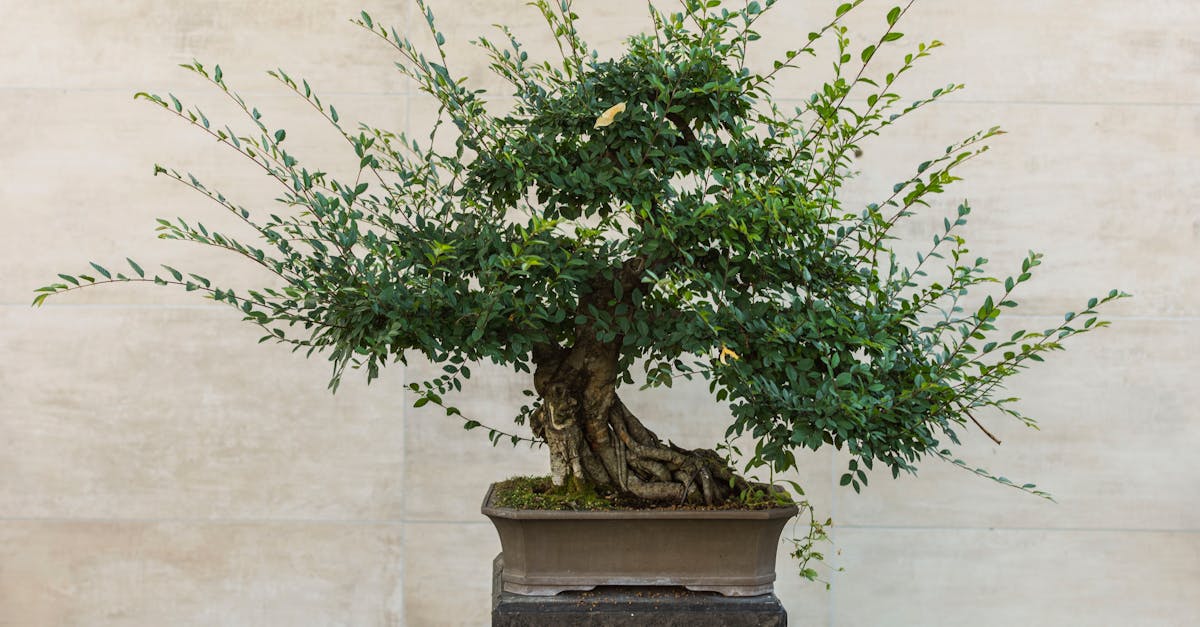
Delve deep into the captivating realm of Literati Bonsai, an art form that transcends the boundaries of horticulture and embraces the profound principles of Chinese culture and philosophy. This comprehensive guide will guide you through the intricacies of crafting elegant miniature trees, revealing the techniques, species selection, and care practices that bring these living masterpieces to life. As you embark on this journey of botanical artistry, prepare to be captivated by the serene beauty and profound symbolism enshrined within each Literati Bonsai.

Discover the origins of Literati Bonsai, tracing its lineage back to ancient Chinese literati, who cultivated these miniature trees as a reflection of their refined taste and meditative practices. Explore the symbolism embedded within Literati Bonsai, where gnarled trunks represent the resilience of scholars, cascading branches symbolize the flow of knowledge, and windswept forms evoke the transformative power of adversity.

Whether you’re a budding enthusiast or an experienced bonsai practitioner, this guide will illuminate the path to creating extraordinary Literati Bonsai. With meticulous instructions and insightful guidance, you’ll master the art of shaping, pruning, and cultivating these exquisite trees, transforming them into living works of art that embody the essence of nature, wisdom, and tranquility.

1. Delving into the Essence of Literati Bonsai

Unveiling the Essence of Literati Bonsai: Unique Characteristics, Historical Significance, and Cultural Impact

Literati Bonsai, an art form deeply rooted in Chinese culture and philosophy, transcends the realm of horticulture, embodying profound symbolism and embodying the essence of nature, wisdom, and tranquility. These miniature trees, meticulously crafted to emulate the grandeur of ancient trees, are living works of art that speak volumes about the human connection to the natural world.

Literati Bonsai originated in China during the Song Dynasty (960-1279 AD), where they were prized by literati, or scholar-officials, as a reflection of their refined taste and meditative practices. These miniature trees were seen as symbols of resilience, longevity, and the pursuit of knowledge. The gnarled trunks represented the weathered wisdom of scholars, while the cascading branches symbolized the flow of knowledge and the interconnectedness of all things.

Over the centuries, Literati Bonsai has evolved into a distinct art form with its own unique set of aesthetic principles. Literati Bonsai trees are typically characterized by their sparse foliage, asymmetrical forms, and exposed roots. The emphasis is on creating a sense of movement and dynamism, evoking the transformative power of adversity and the resilience of nature. Literati Bonsai is not merely an imitation of nature, but an interpretation of it, capturing the essence of the natural world in a miniature form.

2. Selecting the Optimal Species for Bonsai Creation

Selecting the Optimal Species for Literati Bonsai: Identifying Suitable Tree Species with Ideal Traits

The choice of tree species is of paramount importance in the art of Literati Bonsai. Not all trees are equally suited to this refined art form, and careful consideration must be given to the growth patterns, leaf texture, and trunk aesthetics of the potential candidates.

Suitable tree species for Literati Bonsai typically possess certain desirable characteristics. Firstly, they should have a naturally small leaf size, as this allows for a more realistic representation of a mature tree in miniature. Secondly, the leaves should be relatively dense, creating a lush canopy that adds depth and interest to the composition. Thirdly, the bark should be textured and visually appealing, as it will become a prominent feature of the bonsai over time.

Some of the most popular tree species used for Literati Bonsai include:

  • Ficus species: Ficus trees are well-suited to bonsai due to their small leaves, dense foliage, and ability to tolerate various shaping techniques.
  • Juniper species: Junipers are known for their intricate branching patterns, small leaves, and resilience, making them a favorite among bonsai enthusiasts.
  • Pine species: Pines are highly prized for their elegant forms, needle-like foliage, and symbolic significance in Chinese culture.
  • Elm species: Elms are valued for their graceful branching, attractive bark, and ability to thrive in a wide range of conditions.
  • Japanese maple species: Japanese maples are renowned for their stunning foliage, which transforms into vibrant hues of red, orange, and yellow in autumn.

3. Mastering the Techniques of Shaping and Pruning

Mastering the Techniques of Shaping and Pruning: A Step-by-Step Guide to Crafting Literati Bonsai

Shaping and pruning are essential techniques in the art of Literati Bonsai, allowing the artist to refine the form and structure of the tree. These techniques require patience, precision, and a deep understanding of the tree’s natural growth patterns.

Wire training is a technique used to bend and shape the branches of the bonsai. Wire is carefully wrapped around the branches and tightened to gradually adjust their position. This technique allows the artist to create curves, angles, and other desired forms in the branches, adding movement and dynamism to the composition.

Root pruning is another important technique in Literati Bonsai. By carefully pruning the roots, the artist can control the size of the tree and encourage the development of a compact, fibrous root system. Root pruning also helps to create the illusion of age and maturity in the bonsai.

Foliage trimming is essential for maintaining the desired shape and density of the bonsai’s canopy. Trimming techniques include pinching, cutting, and defoliation. Pinching involves removing the growing tips of branches to encourage branching and reduce leaf size. Cutting involves removing entire branches or sections of branches to shape the canopy and create open spaces. Defoliation is the complete removal of leaves from the tree, which can be done to stimulate new growth and improve the overall health of the bonsai.

4. Cultivating Literati Bonsai in Cascading and Windswept Styles

Cultivating Literati Bonsai in Cascading and Windswept Styles: Capturing the Essence of Movement and Grace

Cascading and windswept styles are two popular and visually striking styles in Literati Bonsai. These styles evoke a sense of movement and dynamism, as if the tree has been shaped by the forces of nature. Creating these styles requires careful attention to branch placement, trunk shaping, and the overall composition of the bonsai.

Cascading style Literati Bonsai trees have a trunk that cascades downwards, with branches that flow in a graceful curve. The branches are typically arranged in a staggered or asymmetrical manner, creating a sense of movement and fluidity. The trunk should be sturdy and slightly彎曲ed, with exposed roots that add to the illusion of age and resilience.

Windswept style Literati Bonsai trees have a trunk that appears to have been weathered by strong winds. The branches are typically arranged on one side of the trunk, creating a sense of asymmetry and movement. The trunk may be tilted or彎曲ed, and the branches may be twisted or gnarled, adding to the impression of a tree that has endured and adapted to the elements.

5. Nurturing and Maintaining Literati Bonsai

Nurturing and Maintaining Literati Bonsai: Essential Care Practices for Thriving Miniature Trees

Literati Bonsai trees, like all living beings, require proper care and maintenance to thrive. Providing the right conditions for watering, fertilization, repotting, and pest management is essential for ensuring the health and longevity of these miniature masterpieces.

Watering Literati Bonsai trees require regular watering, but the frequency and amount of water will vary depending on factors such as the size of the tree, the type of soil, and the climate. It’s important to avoid overwatering, as this can lead to root rot and other problems. The best way to determine when to water is to check the soil moisture level. If the soil is dry to the touch, it’s time to water.

Fertilization Literati Bonsai trees benefit from regular fertilization to provide them with the nutrients they need for healthy growth. A balanced fertilizer can be used, and the frequency of fertilization will vary depending on the type of fertilizer used and the growing conditions.

What are the benefits of practicing the art of Literati Bonsai?

Practicing the art of Literati Bonsai offers numerous benefits, including:

  • Stress relief and relaxation: The meditative nature of shaping and caring for bonsai trees can help reduce stress and promote relaxation.
  • Increased creativity: Bonsai art encourages creativity and self-expression, as you work to create a unique and beautiful miniature landscape.
  • Improved focus and concentration: The precise and delicate nature of bonsai care requires focus and concentration, which can help improve these cognitive skills.
  • Connection with nature: Bonsai art fosters a deep connection with nature, as you learn about the needs and characteristics of living trees.
  • Cultural appreciation: Literati Bonsai is a centuries-old art form with deep cultural roots, and practicing it allows you to appreciate and connect with this rich tradition.

How often should I water my Literati Bonsai tree?

The frequency of watering for your Literati Bonsai tree will depend on factors such as the size of the tree, the type of soil, and the climate. Generally, you should water when the soil surface is dry to the touch. Avoid overwatering, as this can lead to root rot and other problems.

What type of fertilizer should I use for my Literati Bonsai tree?

A balanced fertilizer can be used for Literati Bonsai trees. The frequency of fertilization will vary depending on the type of fertilizer used and the growing conditions. It’s important to follow the instructions on the fertilizer label and avoid over-fertilizing, as this can damage the tree.

Related Posts
Repotting Bonsai: A Comprehensive Guide to Nurture Healthy Growth

The Art of Bonsai Repotting: Nurturing Growth, Preserving Beauty Bonsai, the ancient art of cultivating miniature trees, requires meticulous care Read more

Fertilizing Bonsai: The Essential Guide to Keep Your Miniatures Thriving

The Art of Nourishing Miniature Masterpieces: A Comprehensive Guide to Bonsai Fertilization Fertilizing Bonsai: A Guide to Miniature Tree Maintenance Read more

7 Secret Tips for Growing a Thriving Bonsai Tree: Beginners Guide

Unveiling the Secrets: A Beginner's Journey into the Art of Bonsai Embark on the Enchanting Journey of Bonsai: A Beginner's Read more

Bonsai Watering 101: Everything You Need to Know

The Essential Guide to Bonsai Watering: Unlocking the Secrets of Miniature Tree Care Understanding the Art of Bonsai Watering: A Read more
Hawthorn Raft: A Unique Bonsai Progression Video

Unveiling the Art of Hawthorn Raft Bonsai: A Journey of Creativity and Cultivation

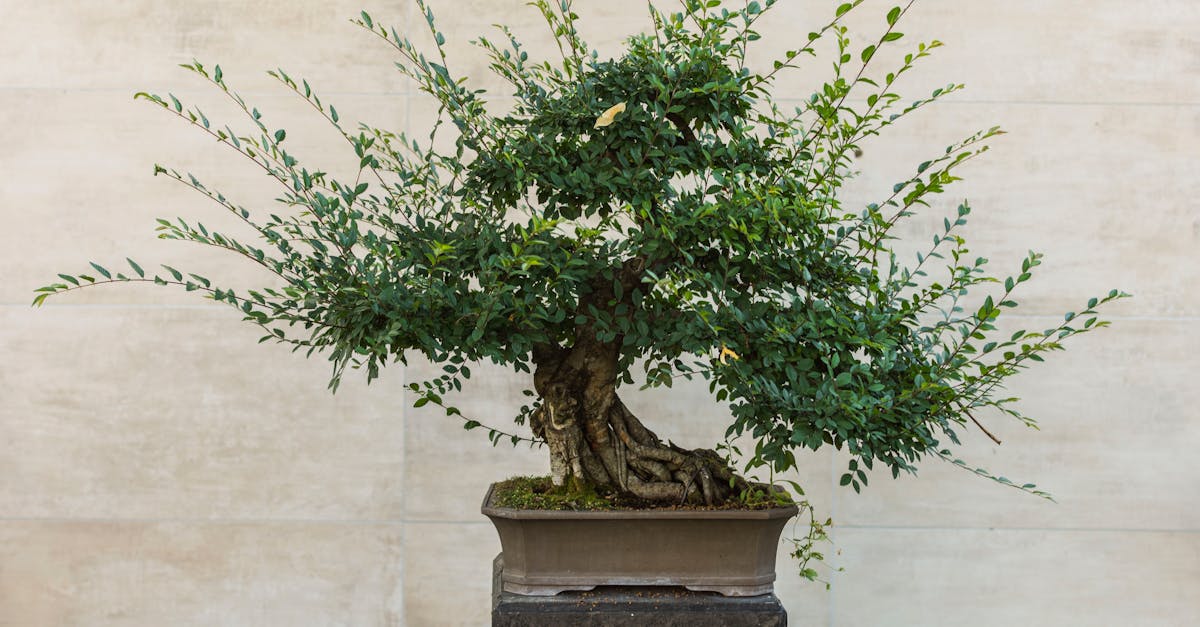
Immerse yourself in the art of creating and cultivating exceptional hawthorn raft bonsai trees. Our comprehensive guide unravels the secrets of this captivating technique, from selecting the perfect tree to executing intricate styling methods. Embark on a journey of creativity and discover the profound satisfaction that comes with nurturing a living masterpiece.

The history of hawthorn raft bonsai is a testament to human ingenuity and artistry. Originating centuries ago, this unique style emerged from the desire to create bonsai that defied traditional boundaries. By grafting multiple trees onto a single raft, enthusiasts discovered a way to achieve intricate and expansive compositions that celebrated the beauty and resilience of nature. Today, hawthorn raft bonsai continues to captivate enthusiasts worldwide, offering a canvas for boundless creativity and a harmonious blend of nature and art.

The benefits of hawthorn raft bonsai extend beyond their captivating aesthetics. These trees offer a myriad of environmental and health advantages. Studies have shown that bonsai trees can improve air quality, reduce stress levels, and promote relaxation. By bringing nature indoors, hawthorn raft bonsai allows us to reap these benefits while adding a touch of tranquility and beauty to our living spaces.

1. Introduction

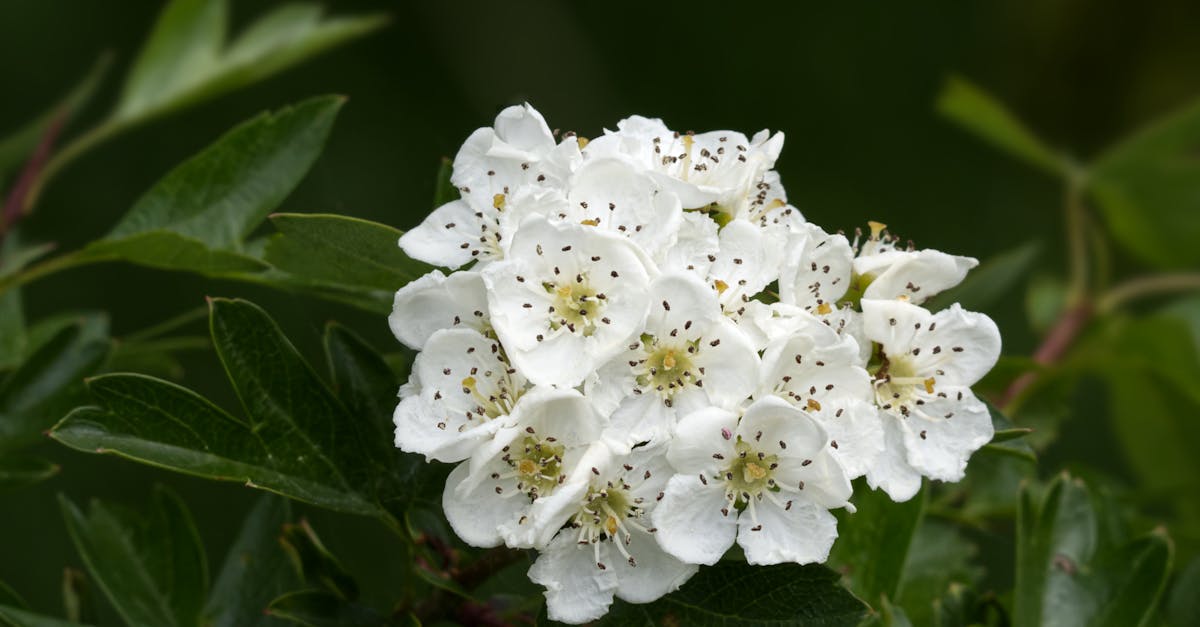
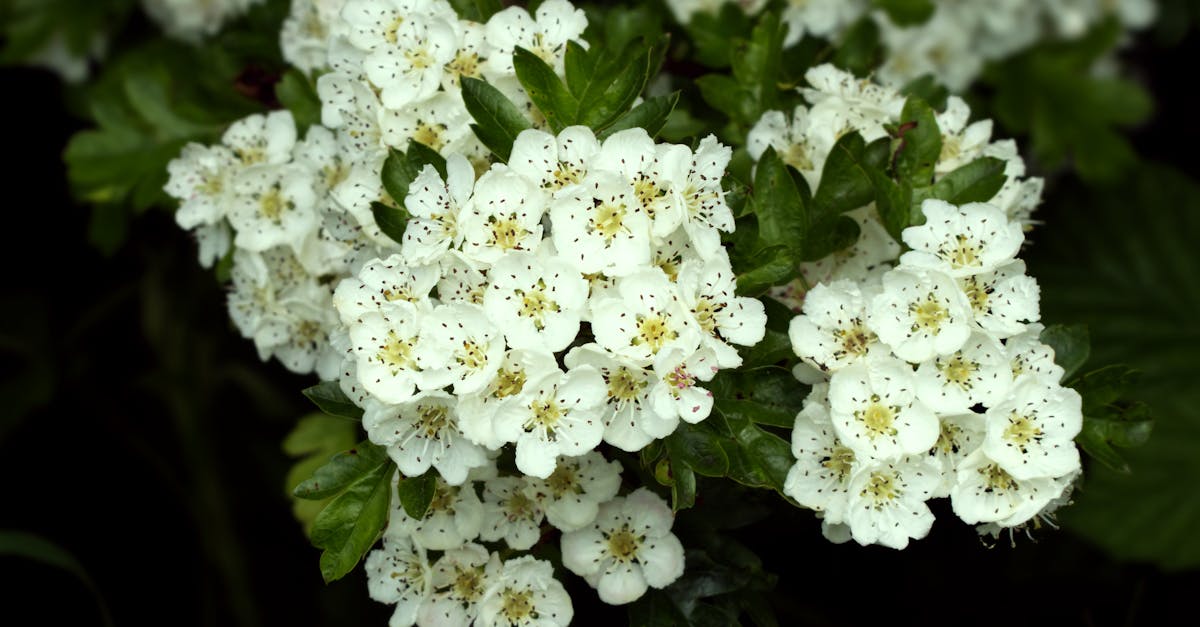
A hawthorn raft bonsai is a unique and captivating style of bonsai that involves grafting multiple hawthorn trees onto a single raft-like base. This technique allows for the creation of intricate and expansive compositions that showcase the beauty and resilience of nature. Hawthorn trees, known for their hardiness and adaptability, are particularly well-suited for this style of bonsai due to their ability to withstand the grafting process and thrive in a variety of environments.

The history of hawthorn raft bonsai can be traced back centuries, with its origins in China and Japan. Over time, this style has evolved and spread worldwide, gaining popularity among bonsai enthusiasts for its artistic possibilities and the challenge it presents. Creating a hawthorn raft bonsai requires patience, skill, and a deep understanding of the art of bonsai.

The benefits of hawthorn raft bonsai extend beyond their striking appearance. These trees offer a myriad of environmental and health advantages. Studies have shown that bonsai trees can improve air quality, reduce stress levels, and promote relaxation. By bringing nature indoors, hawthorn raft bonsai allows us to reap these benefits while adding a touch of tranquility and beauty to our living spaces.

The history of hawthorn raft bonsai

The history of hawthorn raft bonsai is a testament to human ingenuity and artistry. Originating centuries ago in China and Japan, this unique style emerged from the desire to create bonsai that defied traditional boundaries. By grafting multiple trees onto a single raft-like base, enthusiasts discovered a way to achieve intricate and expansive compositions that celebrated the beauty and resilience of nature.

The early development of hawthorn raft bonsai was closely tied to the broader evolution of the art of bonsai. As bonsai techniques and styles spread throughout Asia and beyond, artists began to experiment with new and innovative ways to create miniature landscapes in pots. The grafting of multiple trees onto a single base offered a unique opportunity to explore the possibilities of scale, balance, and form.

Over time, hawthorn raft bonsai evolved into a distinct style with its own set of techniques and aesthetic principles. Artists developed specialized grafting techniques to ensure the long-term health and stability of their creations. They also experimented with different species of hawthorn trees, each with its own unique characteristics and growth patterns. As the style gained popularity, enthusiasts began to organize exhibitions and competitions, further推动ing the development of hawthorn raft bonsai as an art form.

The benefits of hawthorn raft bonsai

The benefits of hawthorn raft bonsai extend beyond their captivating aesthetics. These trees offer a myriad of environmental and health advantages. Studies have shown that bonsai trees can improve air quality, reduce stress levels, and promote relaxation. By bringing nature indoors, hawthorn raft bonsai allows us to reap these benefits while adding a touch of tranquility and beauty to our living spaces.

In addition to their aesthetic and health benefits, hawthorn raft bonsai can also have a positive impact on the environment. Hawthorn trees are known for their ability to absorb pollutants from the air and soil. They can also help to reduce erosion and provide habitat for wildlife. By cultivating hawthorn raft bonsai, we can contribute to the preservation of this valuable species and promote a healthier environment.

Overall, hawthorn raft bonsai offer a unique and rewarding way to connect with nature and enjoy its many benefits. Whether you are a seasoned bonsai enthusiast or a novice looking to learn more about this ancient art form, hawthorn raft bonsai is sure to captivate your imagination and bring joy to your life.

2. Creating a Hawthorn Raft Bonsai

Creating a hawthorn raft bonsai is a rewarding and challenging endeavor that requires patience, skill, and a deep understanding of the art of bonsai. The process begins with selecting the right tree. Hawthorn trees that are healthy, vigorous, and have a good root system are ideal for grafting. Once the trees have been selected, they are prepared for grafting by removing the leaves and any small branches.

The next step is to create the raft base. The raft base is typically made from a piece of driftwood or a slab of slate. The trees are then grafted onto the raft base using a variety of techniques, including splice grafting, whip grafting, and approach grafting. Once the trees have been grafted, they are allowed to heal and grow together.

The final step is to style the hawthorn raft bonsai. This involves wiring and bending the branches to create the desired shape. The tree can also be carved to create additional detail. Styling a hawthorn raft bonsai is an ongoing process that can take many years to complete. However, the end result is a unique and beautiful work of art that can be enjoyed for generations to come.

Selecting the right tree

Selecting the right tree is a crucial step in creating a successful hawthorn raft bonsai. The tree should be healthy, vigorous, and have a good root system. It is also important to choose a tree that has the potential to develop the desired shape and size.

When selecting a hawthorn tree for a raft bonsai, there are several factors to consider. First, consider the size of the tree. The tree should be small enough to fit on the raft base, but it should also be large enough to have a strong root system and to support the growth of multiple trunks.

Second, consider the shape of the tree. The tree should have a good branch structure that can be wired and bent to create the desired shape. Avoid trees with weak or spindly branches.

Finally, consider the health of the tree. The tree should be free of pests and diseases. It should also have a healthy root system that is able to support the growth of the tree.

By following these criteria, you can increase your chances of selecting a hawthorn tree that will thrive as a raft bonsai.

Preparing the tree

Preparing the hawthorn tree for grafting is an important step in the process of creating a hawthorn raft bonsai. The goal of preparation is to remove the leaves and any small branches from the tree, leaving only the trunk and the main branches. This will help to ensure that the tree is able to focus its energy on producing new growth at the graft union.

To prepare the hawthorn tree for grafting, you will need the following materials:

  • A sharp knife
  • A pair of pruning shears
  • A bucket of water
  • A rooting hormone (optional)

Once you have gathered your materials, follow these steps:

  1. Remove the leaves from the tree. Use your fingers to gently remove the leaves from the tree, starting at the base of the tree and working your way up. Be careful not to damage the buds or the branches.
  2. Prune the small branches. Use your pruning shears to remove any small branches from the tree. These branches are typically less than 1/4 inch in diameter.
  3. Soak the roots in water. Place the roots of the tree in a bucket of water. This will help to keep the roots moist and prevent them from drying out.
  4. Apply rooting hormone (optional). If you are using a rooting hormone, dip the cut end of the tree into the rooting hormone. This will help to promote new root growth.

Once you have prepared the hawthorn tree for grafting, you are ready to begin the grafting process.

Grafting the tree

Grafting is the process of joining two or more plants together so that they grow as one. Grafting is used to propagate plants, to repair damaged plants, and to create new varieties of plants. There are many different grafting techniques, but the most common technique for grafting hawthorn trees onto a raft is the whip and tongue graft.

To perform a whip and tongue graft, you will need the following materials:

  • A sharp knife
  • A grafting tape or wax
  • A pair of pruning shears

Once you have gathered your materials, follow these steps:

  1. Prepare the rootstock. The rootstock is the tree that will provide the roots for the grafted tree. To prepare the rootstock, cut a diagonal cut about 1-2 inches long at the top of the rootstock.
  2. Prepare the scion. The scion is the tree that will provide the branches and leaves for the grafted tree. To prepare the scion, cut a diagonal cut about 1-2 inches long at the base of the scion.
  3. Join the rootstock and the scion. Align the diagonal cuts on the rootstock and the scion and push them together. The cuts should fit together snugly.
  4. Secure the graft union. Wrap the graft union with grafting tape or wax. This will help to hold the rootstock and the scion together and to prevent them from drying out.

Once you have grafted the hawthorn tree onto the raft, you will need to care for the graft union until it has healed. Keep the graft union moist and protected from the elements. In most cases, the graft union will heal within 2-3 months.

3. Caring for a Hawthorn Raft Bonsai

Caring for a hawthorn raft bonsai is similar to caring for any other type of bonsai tree. However, there are a few special considerations that you need to keep in mind.

First, hawthorn raft bonsai need to be watered more frequently than other types of bonsai trees. This is because the raft base does not retain water as well as a traditional pot. You should water your hawthorn raft bonsai whenever the soil feels dry to the touch.

Second, hawthorn raft bonsai need to be fertilized more frequently than other types of bonsai trees. This is because the raft base does not provide the tree with as many nutrients as a traditional pot. You should fertilize your hawthorn raft bonsai every 2-3 weeks during the growing season.

Finally, hawthorn raft bonsai need to be pruned more frequently than other types of bonsai trees. This is because the raft base does not restrict the growth of the tree as much as a traditional pot. You should prune your hawthorn raft bonsai whenever you notice new growth.

By following these simple care instructions, you can keep your hawthorn raft bonsai healthy and beautiful for many years to come.

Watering

Hawthorn raft bonsai need to be watered more frequently than other types of bonsai trees. This is because the raft base does not retain water as well as a traditional pot. The frequency and amount of water that your hawthorn raft bonsai needs will vary depending on the size of the tree, the climate, and the time of year.

During the growing season, you should water your hawthorn raft bonsai whenever the soil feels dry to the touch. You should water the tree slowly and deeply, making sure to soak the entire root ball. Avoid overwatering, as this can lead to root rot.

During the winter months, you can reduce the frequency of watering. However, you should still water the tree whenever the soil feels dry to the touch.

If you are unsure how often to water your hawthorn raft bonsai, it is best to err on the side of caution and water less frequently. Overwatering is more harmful to the tree than underwatering.

Fertilizing

Hawthorn raft bonsai need to be fertilized more frequently than other types of bonsai trees. This is because the raft base does not provide the tree with as many nutrients as a traditional pot. You should fertilize your hawthorn raft bonsai every 2-3 weeks during the growing season.

You can use any type of fertilizer that is designed for bonsai trees. However, it is important to avoid using fertilizers that are high in nitrogen. Nitrogen can promote excessive growth, which can weaken the tree and make it more susceptible to pests and diseases.

When fertilizing your hawthorn raft bonsai, it is important to follow the instructions on the fertilizer label. Overfertilizing can damage the tree, so it is always better to err on the side of caution.

If you are unsure what type of fertilizer to use or how often to fertilize your hawthorn raft bonsai, it is best to consult with a bonsai expert.

Pruning

Hawthorn raft bonsai need to be pruned more frequently than other types of bonsai trees. This is because the raft base does not restrict the growth of the tree as much as a traditional pot. You should prune your hawthorn raft bonsai whenever you notice new growth.

There are two main types of pruning that you can do on a hawthorn raft bonsai:

  • Structural pruning: This type of pruning is used to shape the tree and to control its size. Structural pruning should be done in the winter or early spring, when the tree is dormant.
  • Maintenance pruning: This type of pruning is used to remove dead or diseased branches, and to keep the tree healthy. Maintenance pruning can be done at any time of year.

When pruning your hawthorn raft bonsai, it is important to use sharp tools and to make clean cuts. You should also avoid overpruning, as this can weaken the tree.

If you are unsure how to prune your hawthorn raft bonsai, it is best to consult with a bonsai expert.

4. Styling a Hawthorn Raft Bonsai

Styling a hawthorn raft bonsai is an ongoing process that can take many years to complete. The goal of styling is to create a tree that is both beautiful and balanced. There are many different techniques that can be used to style a hawthorn raft bonsai, including wiring, bending, and carving.

Wiring is a technique that is used to shape the branches of a tree. Wire is wrapped around the branches and then tightened to create the desired shape. Wiring should be done carefully to avoid damaging the branches.

Bending is a technique that is used to change the direction of the growth of a branch. Bending can be done by hand or by using a tool called a branch bender. Bending should be done slowly and carefully to avoid breaking the branch.

Carving is a technique that is used to remove bark and wood from the trunk and branches of a tree. Carving can be used to create a variety of different effects, such as jin (deadwood) and shari (exposed wood). Carving should be done carefully to avoid damaging the tree.

When styling a hawthorn raft bonsai, it is important to take into account the natural shape of the tree. The goal is to enhance the tree’s natural beauty, not to create an artificial shape.

Wiring

Wiring is a technique that is used to shape the branches of a hawthorn raft bonsai. Wire is wrapped around the branches and then tightened to create the desired shape. Wiring can be used to create a variety of different effects, such as curves, bends, and twists.

There are two main types of wire that are used for wiring bonsai trees: copper wire and aluminum wire. Copper wire is more durable than aluminum wire, but it is also more difficult to work with. Aluminum wire is easier to work with, but it is not as durable as copper wire.

When wiring a hawthorn raft bonsai, it is important to use the correct gauge of wire. The gauge of the wire refers to its thickness. The thicker the wire, the stronger it will be. However, thicker wire is also more difficult to work with.

To wire a hawthorn raft bonsai, start by wrapping the wire around the base of the branch. Then, wrap the wire around the branch in a spiral pattern, making sure to keep the wire tight. Continue wrapping the wire until you reach the desired shape.

Once you have wired the branch, you can use your fingers or a pair of pliers to tighten the wire. Be careful not to overtighten the wire, as this can damage the branch.

Wiring can be a challenging technique, but it is an essential skill for anyone who wants to style a hawthorn raft bonsai.

Bending

Bending is a technique that is used to change the direction of the growth of a branch. Bending can be done by hand or by using a tool called a branch bender. Bending should be done slowly and carefully to avoid breaking the branch.

There are two main types of bending: cold bending and hot bending. Cold bending is done at room temperature, while hot bending is done with the aid of heat. Hot bending is more effective than cold bending, but it is also more risky.

To cold bend a branch, simply grasp the branch with your hands and gently bend it in the desired direction. Be careful not to overbend the branch, as this can damage the branch.

To hot bend a branch, you will need to use a heat source, such as a heat gun or a propane torch. Heat the branch until it becomes pliable, and then bend the branch in the desired direction. Be careful not to overheat the branch, as this can damage the branch.

Bending can be a challenging technique, but it is an essential skill for anyone who wants to style a hawthorn raft bonsai. Bending can be used to create a variety of different effects, such as curves, bends, and twists.

Carving

Carving is a technique that is used to remove bark and wood from the trunk and branches of a hawthorn raft bonsai. Carving can be used to create a variety of different effects, such as jin (deadwood) and shari (exposed wood). Carving should be done carefully to avoid damaging the tree.

There are two main types of carving tools that are used for carving bonsai trees: knives and chisels. Knives are used for細かい作業 (detailed work), while chisels are used for removing larger pieces of bark and wood.

To carve a hawthorn raft bonsai, start by making a small cut in the bark of the trunk or branch. Then, use a knife or chisel to carefully remove the bark and wood. Be careful not to cut too deeply into the tree, as this can damage the tree.

Once you have removed the bark and wood, you can use a knife or chisel to create the desired shape. You can create curves, bends, and twists in the trunk and branches. You can also create jin and shari.

Carving can be a challenging technique, but it is an essential skill for anyone who wants to create a unique and beautiful hawthorn raft bonsai.

5. Conclusion

Creating and caring for a hawthorn raft bonsai is a rewarding experience that can bring many years of enjoyment. Hawthorn raft bonsai are beautiful and unique works of art that can add a touch of nature to any home or office.

There are many different rewards to creating and caring for a hawthorn raft bonsai. Some of the most common rewards include:

  • The satisfaction of creating a unique work of art. A hawthorn raft bonsai is a living work of art that you can create with your own hands. It is a unique and personal expression of your creativity.
  • The connection to nature. Bonsai trees are miniature representations of nature. Creating and caring for a hawthorn raft bonsai can help you to connect with nature and to appreciate its beauty.
  • The legacy of a well-crafted bonsai. A well-crafted hawthorn raft bonsai can be passed down through generations and enjoyed by many people. It is a lasting legacy of your love of nature and your skill as a bonsai artist.

If you are looking for a rewarding hobby that can bring you many years of enjoyment, creating and caring for a hawthorn raft bonsai is a great option.

The satisfaction of creating a unique work of art

Creating a beautiful and unique bonsai tree is a rewarding experience that can bring a great deal of personal fulfillment. Bonsai trees are living works of art that can be enjoyed for many years to come. They are a testament to the skill and patience of the artist who created them.

There are many different ways to create a bonsai tree. Some people prefer to start with a young tree and train it over time. Others prefer to use older trees that have already developed some interesting characteristics. No matter what method you choose, creating a bonsai tree is a challenging but rewarding experience.

One of the most satisfying things about creating a bonsai tree is that it is a unique work of art. No two bonsai trees are exactly alike. Each tree is a reflection of the artist’s individual style and vision.

When you create a bonsai tree, you are not only creating a beautiful object, you are also creating a piece of living history. Bonsai trees can live for hundreds of years. They can be passed down from generation to generation, each new owner adding their own touch to the tree’s development.

If you are looking for a rewarding hobby that can bring you a great deal of personal fulfillment, creating a bonsai tree is a great option. Bonsai trees are beautiful, unique, and living works of art that can be enjoyed for many years to come.

The connection to nature

Bonsai trees are miniature representations of nature. They can help us to connect with the natural world in a number of ways.

First, bonsai trees can help us to appreciate the beauty of nature. When we look at a bonsai tree, we are seeing a缩小版 (miniature version) of a real tree. This can help us to see the beauty in the details of nature that we might otherwise overlook.

Second, bonsai trees can help us to learn about nature. By observing how bonsai trees grow and change, we can learn about the natural processes that shape the world around us.

Third, bonsai trees can help us to connect with nature on a spiritual level. Bonsai trees are often seen as symbols of peace and harmony. They can help us to find inner peace and to connect with the natural world on a deeper level.

If you are looking for a way to connect with the natural world, bonsai trees are a great option. Bonsai trees are beautiful, educational, and spiritual objects that can help us to appreciate the beauty of nature and to learn more about the world around us.

The legacy of a well-crafted bonsai

A well-crafted bonsai tree can be a lasting legacy that can be passed down through generations and enjoyed by many people. Bonsai trees are living works of art that can live for hundreds of years. They are a testament to the skill and patience of the artist who created them.

When you create a bonsai tree, you are not only creating a beautiful object, you are also creating a piece of living history. Bonsai trees can be passed down from generation to generation, each new owner adding their own touch to the tree’s development.

There are many examples of bonsai trees that have been passed down through generations. Some of the most famous bonsai trees in the world are hundreds of years old. These trees have been passed down from one owner to the next, each new owner taking care of the tree and adding their own unique style.

If you are looking for a way to create a lasting legacy, creating a bonsai tree is a great option. Bonsai trees are beautiful, unique, and living works of art that can be enjoyed for many years to come.

What is the best way to care for a hawthorn raft bonsai?

Hawthorn raft bonsai need to be watered frequently, fertilized every 2-3 weeks during the growing season, and pruned regularly. They should be placed in a location that receives plenty of sunlight and protected from the elements.

How long does it take to create a hawthorn raft bonsai?

It can take many years to create a hawthorn raft bonsai. The time it takes will vary depending on the size and shape of the tree, as well as the desired style.

What are the benefits of creating and caring for a hawthorn raft bonsai?

Creating and caring for a hawthorn raft bonsai can provide a number of benefits, including stress relief, improved focus, and increased creativity. It can also help to connect us with nature and to appreciate the beauty of the natural world.

Related Posts
Repotting Bonsai: A Comprehensive Guide to Nurture Healthy Growth

The Art of Bonsai Repotting: Nurturing Growth, Preserving Beauty Bonsai, the ancient art of cultivating miniature trees, requires meticulous care Read more

Fertilizing Bonsai: The Essential Guide to Keep Your Miniatures Thriving

The Art of Nourishing Miniature Masterpieces: A Comprehensive Guide to Bonsai Fertilization Fertilizing Bonsai: A Guide to Miniature Tree Maintenance Read more

7 Secret Tips for Growing a Thriving Bonsai Tree: Beginners Guide

Unveiling the Secrets: A Beginner's Journey into the Art of Bonsai Embark on the Enchanting Journey of Bonsai: A Beginner's Read more

Bonsai Watering 101: Everything You Need to Know

The Essential Guide to Bonsai Watering: Unlocking the Secrets of Miniature Tree Care Understanding the Art of Bonsai Watering: A Read more

A note to our visitors

This website has updated its privacy policy in compliance with changes to European Union data protection law, for all members globally. We’ve also updated our Privacy Policy to give you more information about your rights and responsibilities with respect to your privacy and personal information. Please read this to review the updates about which cookies we use and what information we collect on our site. By continuing to use this site, you are agreeing to our updated privacy policy.

Bonsai Trees and Supplies Direct From the Grower !
Automated SEO Heist