The Art of Bonsai Display: Unveiling the Secrets of Japanese Miniature Tree Exhibitions
Immerse yourself in the exquisite art of bonsai display, a captivating fusion of nature, artistry, and ancient Japanese tradition. Bonsai, meaning “planted in a tray,” transcends mere horticulture, transforming miniature trees into living sculptures meticulously shaped and nurtured over years. Through the art of display, these living masterpieces come to life, inviting contemplation and embracing the profound beauty of nature’s miniature realm.
Embark on an enlightening journey to unveil the intricacies of bonsai display, exploring the fundamental principles, diverse display styles, and essential care techniques that empower you to showcase your bonsai with finesse and artistry. By mastering the placement, scroll selection, and accessory arrangement, you’ll discover how to elevate the aesthetic appeal of your bonsai, capturing the essence of tranquility, balance, and harmony that defines this traditional Japanese art form.
Delve into the captivating world of bonsai display, a realm where nature’s artistry meets human creativity. Here, the boundaries between art and horticulture blur, resulting in breathtaking living sculptures that evoke serenity and contemplation. Join us as we unveil the secrets behind creating captivating bonsai displays that will transform your space into an oasis of tranquility and natural beauty.
1. Introduction to Bonsai Display
Embark on a captivating journey into the world of bonsai display, an enchanting fusion of nature’s beauty and human artistry. Bonsai, meaning “planted in a tray,” is an ancient Japanese practice that elevates the cultivation of miniature trees into a refined art form. These living masterpieces, meticulously shaped and nurtured over years, transcend mere horticulture, becoming symbols of tranquility, balance, and harmony.
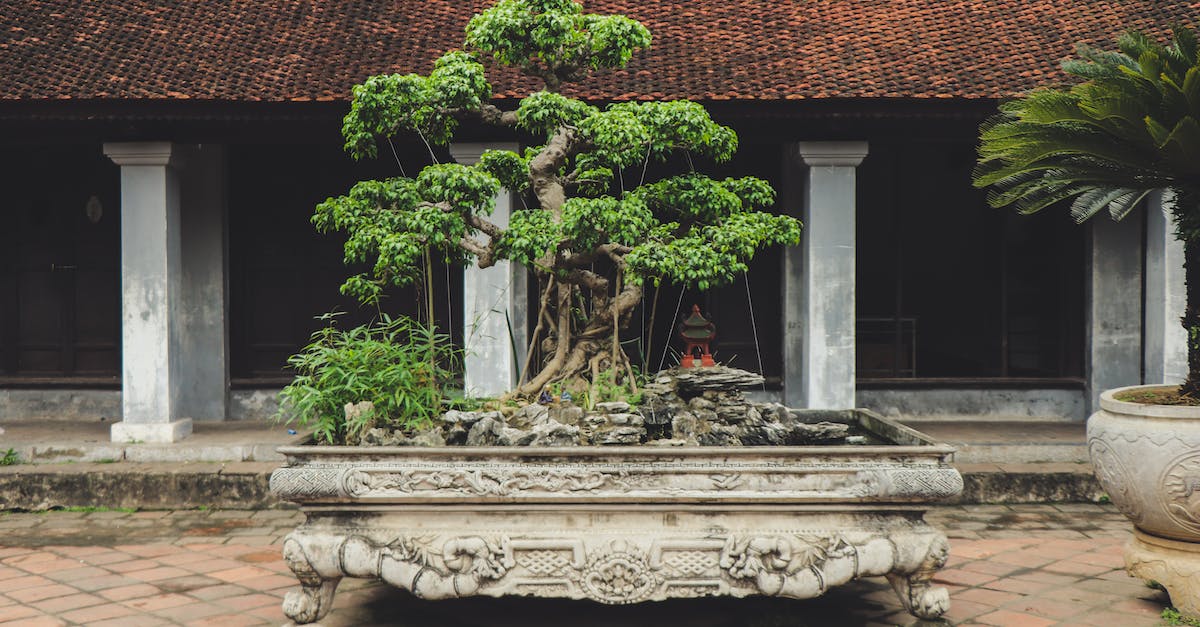
Bonsai display is an integral part of bonsai cultivation, providing a stage for these miniature trees to showcase their intricate beauty. It involves carefully positioning the bonsai within a display setting, often incorporating scrolls, stands, and other accessories to enhance the overall composition. The art of display draws inspiration from traditional Japanese aesthetics, emphasizing simplicity, asymmetry, and the suggestion of natural landscapes in miniature.
To delve into the world of bonsai display is to embrace a rich cultural heritage and a profound appreciation for the beauty of nature. It is an art form that cultivates patience, mindfulness, and a deep connection to the natural world. By understanding the history, aesthetics, and fundamental principles of bonsai display, you will gain the knowledge and skills to showcase your bonsai with finesse and artistry, transforming them into captivating living sculptures that bring tranquility and beauty into your space.
2. Choosing the Right Display Setting
When selecting the right display setting for your bonsai, consider various factors to ensure its well-being and visual appeal. Traditional Japanese tokonoma, with its alcove-like structure and tatami flooring, provides an ideal backdrop for bonsai display. Tokonoma are designed to highlight a single scroll or artwork, creating a serene and contemplative atmosphere. Bonsai placed in a tokonoma become the focal point, invitingじっくり見る (jikkori miru) or deep looking, a practice in Japanese culture that encourages mindfulness and appreciation of the present moment.
Contemporary display shelves offer a versatile alternative to traditional tokonoma. These shelves come in a variety of styles and materials, allowing you to match the display to your personal taste and home décor. When choosing a display shelf, consider factors such as the size and weight of your bonsai, as well as the amount of light and ventilation it requires. Adjustable shelves provide flexibility to accommodate different bonsai sizes and shapes, ensuring optimal display conditions.
In addition to traditional and contemporary display settings, there are numerous creative ways to showcase your bonsai. Floating shelves, hanging planters, and even custom-made display stands can provide unique and visually appealing options. When selecting a display setting, consider the overall style of your home, the size and shape of your bonsai, and the desired visual effect you wish to achieve.
3. Bonsai Display Techniques
Mastering bonsai display techniques elevates the presentation of your miniature tree, transforming it into a captivating work of art. Tree positioning is paramount, as it sets the foundation for the overall composition. Consider the natural growth habit of your bonsai and position it accordingly, allowing its unique characteristics to shine. Off-center placement creates a sense of dynamism and visual interest, while considering the front, back, and sides of the bonsai ensures a well-rounded display.
Scroll placement adds depth and context to your bonsai display. Scrolls often feature calligraphy or nature-inspired artwork that complements the bonsai’s aesthetic. The size, color, and style of the scroll should harmonize with the bonsai and the display setting. Position the scroll behind or beside the bonsai, ensuring it does not overpower the tree but rather enhances its presence.
Accessory selection plays a subtle yet significant role in enhancing the composition of your bonsai display. A carefully chosen pot, stand, or water feature can accentuate the bonsai’s form and create a cohesive visual narrative. Consider the material, shape, and size of accessories to complement the bonsai and the overall display setting. By mastering these techniques, you will transform your bonsai display into a captivating and harmonious work of art.
4. Different Display Styles for Bonsai
The world of bonsai display encompasses a diverse range of styles, each with its own unique characteristics and aesthetic interpretations. Formal styles adhere to strict rules and conventions, emphasizing balance, symmetry, and a triangular shape. Informal styles, on the other hand, allow for greater freedom and creativity, capturing the natural and asymmetrical forms found in nature. Upright styles showcase the bonsai’s vertical growth pattern, while cascading styles present a dynamic and flowing form, with branches gracefully cascading downwards.
The choice of display style depends on the type of bonsai, the desired visual effect, and the overall aesthetic preferences of the artist. Formal styles, such as the Chokkan (straight trunk) and Moyogi (informal upright), exude a sense of dignity and refinement. Informal styles, such as the Kengai (cascade) and Han-kengai (semi-cascade), evoke a sense of movement and connection with nature. By understanding the distinct characteristics of each display style, you can select the one that best complements your bonsai and artistic vision.
Experimenting with different display styles allows for endless creative possibilities. You can combine elements from different styles to create unique and personalized compositions. The key is to maintain a harmonious balance between the bonsai and its display setting, allowing the natural beauty of the tree to take center stage.
5. Maintenance and Care for Display Bonsai
Maintaining the health and vitality of your displayed bonsai is essential to ensure its continued beauty and longevity. Regular care, including watering, fertilizing, and routine maintenance, is crucial for the well-being of your miniature tree. Watering is a delicate balance, as both under and overwatering can lead to problems. Observe your bonsai carefully and water only when the soil surface feels dry to the touch. Use room-temperature water and avoid getting water on the leaves, as this can promote fungal growth.
Fertilizing provides essential nutrients for your bonsai’s growth and development. Use a balanced fertilizer, diluted to half strength, during the growing season. Avoid over-fertilizing, as this can damage the roots. Routine maintenance includes pruning, repotting, and pest control. Pruning helps maintain the desired shape and size of your bonsai, while repotting provides fresh soil and nutrients. Pest control is essential to prevent infestations that can harm your tree. By following these care guidelines, you can ensure that your displayed bonsai remains healthy, vibrant, and a source of joy for years to come.
In addition to the basic care mentioned above, there are specific considerations for displayed bonsai. Ensure your bonsai receives adequate light, either from natural sources or grow lights. Protect your bonsai from extreme temperatures and drafts, which can cause stress and damage. Regularly inspect your bonsai for any signs of pests or diseases, and take prompt action to address any issues. With proper care and attention, your displayed bonsai will continue to thrive and bring beauty to your space.
What are some tips for choosing the right display setting for my bonsai?
Consider the size and style of your bonsai, as well as the overall aesthetic of your display space. Traditional Japanese tokonoma provide a classic and elegant setting, while contemporary display shelves offer more versatility and flexibility. Lighting and ventilation are also important factors to consider to ensure the well-being of your bonsai.
How often should I water my displayed bonsai?
Watering frequency depends on factors such as the type of bonsai, soil composition, and climate. Generally, water your bonsai when the soil surface feels dry to the touch. Avoid overwatering, as this can lead to root rot.
What type of fertilizer should I use for my bonsai?
Use a balanced fertilizer, diluted to half strength, during the growing season. Avoid over-fertilizing, as this can damage the roots. Organic fertilizers, such as fish emulsion or compost tea, can provide gentle nourishment for your bonsai.
How can I prevent pests and diseases on my displayed bonsai?
Regularly inspect your bonsai for signs of pests or diseases. Isolate any affected trees and treat them promptly with appropriate pesticides or fungicides. Maintaining good hygiene, including cleaning tools and pots, can help prevent the spread of pests and diseases.
The Art of Bonsai Repotting: Nurturing Growth, Preserving Beauty Bonsai, the ancient art of cultivating miniature trees, requires meticulous care Read more
The Art of Nourishing Miniature Masterpieces: A Comprehensive Guide to Bonsai Fertilization Fertilizing Bonsai: A Guide to Miniature Tree Maintenance Read more
A Prestigious Bonsai Competition Bringing Together the World’s Finest Artists
Noelanders Trophy 2019: A Celebration of Bonsai Artistry
Introduction
The Noelanders Trophy is the most prestigious competition in the world of bonsai. Held annually in Japan, it recognizes the very best practitioners of the delicate art of cultivating miniature trees in a controlled environment. This majestic art form, with roots in ancient China and Japan, demands focused horticultural expertise and profound artistry. Bonsai trees require meticulous daily care, precise pruning, and patience as they mature over years and even decades. The Noelanders Trophy is a celebration of the human ability to shape and cultivate nature’s most exquisite creations.
Bonsai is revered in Eastern cultures for its meditative and spiritual significance, symbolizing balance, harmony, and the interconnectedness of life. Through this art, practitioners strive to create living sculptures that are not merely replications of nature, but interpretations that capture the essence and spirit of the natural world in miniature. At its core, bonsai is an expression of humanity’s enduring fascination with nature and the desire to cultivate beauty and tranquility within our living spaces.
1. The Tradition of Bonsai
The Tradition of Bonsai: Ancient Origins and Cultural Significance
Bonsai, the ancient art of cultivating miniature trees in controlled environments, has its roots in the horticultural practices of ancient China and Japan. The origins of bonsai can be traced back to the 6th century, when Chinese Taoist monks began cultivating miniature landscapes in shallow pots as a way to connect with nature and cultivate a sense of tranquility. These miniature landscapes, known as penjing, were often used for meditation and contemplation.
In the 12th century, the art of bonsai was introduced to Japan, where it quickly gained popularity among the ruling class. Japanese bonsai practitioners developed their own unique style, which emphasized the natural beauty of the tree and the harmony between the tree and its container. Bonsai became a symbol of wealth, power, and refinement, and it was often used to decorate the homes of the elite.
Today, bonsai is practiced all over the world, and there are many different styles and techniques. However, the basic principles of bonsai remain the same: to create a living work of art that captures the essence and spirit of nature in miniature.
Origins of Bonsai
Origins of Bonsai: Tracing the Roots of a Horticultural Art Form
The origins of bonsai can be traced back to ancient Chinese and Japanese practices dating back centuries. The earliest known forms of bonsai were created in China during the Han dynasty (206 BCE – 220 CE). These miniature trees were known as penjing, and they were often used for meditation and contemplation. Penjing were typically created using small trees or shrubs that were collected from the wild and then trained and pruned to create a desired shape.
In the 12th century, the art of bonsai was introduced to Japan, where it quickly gained popularity among the ruling class. Japanese bonsai practitioners developed their own unique style, which emphasized the natural beauty of the tree and the harmony between the tree and its container. Bonsai became a symbol of wealth, power, and refinement, and it was often used to decorate the homes of the elite.
Today, bonsai is practiced all over the world, and there are many different styles and techniques. However, the basic principles of bonsai remain the same: to create a living work of art that captures the essence and spirit of nature in miniature.
Cultural Significance
Cultural Significance: Bonsai and Eastern Philosophy
Bonsai is more than just a horticultural practice; it is also a deeply philosophical and spiritual art form. In Eastern cultures, bonsai is seen as a way to connect with nature and cultivate a sense of peace and tranquility. Bonsai practitioners believe that by creating a miniature representation of nature, they can gain a deeper understanding of the natural world and their place within it.
Bonsai is also seen as a symbol of balance and harmony. The tree’s small size and controlled environment represent the human desire to control and shape the natural world. However, the tree’s natural beauty and resilience also represent the power of nature and the importance of respecting the natural order. Bonsai practitioners strive to create trees that are both beautiful and balanced, reflecting the harmony between humanity and nature.
In addition to its philosophical and spiritual significance, bonsai is also seen as a form of self-expression. Bonsai practitioners often use their trees to express their own unique personalities and perspectives. Bonsai can be used to represent anything from the beauty of nature to the struggles of life. No matter what the message, bonsai is a powerful way to communicate ideas and emotions.
2. Noelanders Trophy: A Prestigious Bonsai Competition
Noelanders Trophy: A Prestigious Bonsai Competition
The Noelanders Trophy is one of the most prestigious bonsai competitions in the world. Held annually in Japan, the competition brings together exceptional bonsai artists from around the globe to compete for the coveted trophy. The competition is named after Mr. Leon Noelanders, a Belgian bonsai enthusiast who donated the trophy in 1980. The Noelanders Trophy is awarded to the bonsai that best represents the principles of bonsai, including balance, harmony, and beauty.
The Noelanders Trophy competition is open to all bonsai artists, regardless of their experience or skill level. However, the competition is extremely competitive, and only the very best bonsai are selected to compete. The trees are judged by a panel of experts, who evaluate the trees based on a variety of criteria, including the tree’s health, vigor, and overall appearance. The winner of the Noelanders Trophy is awarded a cash prize and a trophy, and their bonsai is displayed at the Noelanders Trophy Museum in Japan.
The Noelanders Trophy competition is not only a prestigious event, but it is also an important opportunity for bonsai artists to learn from each other and share their knowledge and techniques. The competition helps to promote the art of bonsai around the world, and it inspires bonsai artists to create even more beautiful and innovative trees.
History of the Competition
History of the Competition: Origins and Evolution of the Noelanders Trophy
The Noelanders Trophy was first awarded in 1980, thanks to the donation of the trophy by Mr. Leon Noelanders, a Belgian bonsai enthusiast. The competition was originally held in Belgium, but it was moved to Japan in 1989. The competition is now held annually at the Saitama Bonsai Village in Saitama, Japan.
In the early years of the competition, the trees were judged on their overall appearance and health. However, over time, the judging criteria have become more stringent. Today, the trees are judged on a variety of factors, including their balance, harmony, and beauty. The trees are also judged on their technical merit, such as the quality of the pruning and the root development.
The Noelanders Trophy competition has evolved over the years to become one of the most prestigious bonsai competitions in the world. The competition attracts the very best bonsai artists from around the globe, and the winning trees are truly exceptional works of art.
Criteria for Selection
Criteria for Selection: Determining Participating Bonsai
The Noelanders Trophy competition is open to all bonsai artists, regardless of their experience or skill level. However, the competition is extremely competitive, and only the very best bonsai are selected to compete. The trees are selected by a panel of experts, who evaluate the trees based on a variety of criteria, including:
Overall appearance: The tree should be visually appealing and well-proportioned. The foliage should be healthy and lush, and the branches should be well-placed.
Balance and harmony: The tree should have a good balance between the different elements, such as the trunk, branches, and foliage. The tree should also be in harmony with its container.
Technical merit: The tree should be well-trained and well-maintained. The pruning and root development should be of high quality.
Originality: The tree should be unique and creative. The artist should have used their own personal style to create the tree.
The judges also consider the tree’s age and size when making their selections. Older trees and larger trees are typically given more consideration, as they represent a greater investment of time and effort on the part of the artist.
3. Bonsai Master Creations at Noelanders Trophy 2019
Bonsai Master Creations at Noelanders Trophy 2019: Breathtaking Displays of Bonsai Excellence
The 2019 Noelanders Trophy competition featured some of the most breathtaking displays of bonsai excellence in the world. The winning trees were a testament to the skill and dedication of the bonsai artists who created them. Here are a few of the highlights:
First Place: A stunning Japanese white pine created by bonsai artist Masahiko Kimura. The tree was over 100 years old and featured a beautiful, cascading trunk and delicate foliage.
Second Place: A Chinese elm created by bonsai artist Yuji Yoshimura. The tree was known for its intricate root system and elegant branches.
Third Place: A Scots pine created by bonsai artist Peter Warren. The tree was remarkable for its rugged trunk and windswept branches.
In addition to the top three winners, there were many other exceptional bonsai on display at the competition. The trees represented a wide variety of styles and techniques, and they showcased the incredible diversity of the art of bonsai.
Award-Winning Bonsai
Award-Winning Bonsai: Captivating Trees that Earned Top Honors
The award-winning bonsai at the Noelanders Trophy competition were a testament to the skill and dedication of the bonsai artists who created them. The trees represented a wide variety of styles and techniques, and they showcased the incredible diversity of the art of bonsai.
First Place: Masahiko Kimura’s Japanese white pine was a stunning example of a cascade style bonsai. The tree was over 100 years old and featured a beautiful, cascading trunk and delicate foliage. The tree’s overall appearance was one of elegance and grace.
Second Place: Yuji Yoshimura’s Chinese elm was a masterpiece of literati style bonsai. The tree was known for its intricate root system and elegant branches. The tree’s overall appearance was one of simplicity and refinement.
Third Place: Peter Warren’s Scots pine was a rugged and powerful example of a windswept style bonsai. The tree’s trunk was gnarled and twisted, and its branches were windswept and weathered. The tree’s overall appearance was one of strength and resilience.
Bonsai Styles and Techniques
Bonsai Styles and Techniques: Creating Unique and Captivating Miniatures
Bonsai artists use a variety of styles and techniques to create unique and captivating miniatures. Some of the most common styles include:
Formal Upright: The tree grows vertically, with its trunk straight and its branches arranged in a symmetrical pattern.
Informal Upright: The tree grows vertically, but its trunk is slightly curved and its branches are arranged in a more natural pattern.
Slanting: The tree grows at an angle, with its trunk leaning to one side.
Semi-Cascade: The tree grows over the edge of its pot, with its branches cascading down.
Cascade: The tree grows completely over the edge of its pot, with its branches hanging down.
Literati: The tree has a long, thin trunk with few branches. The branches are often bare, and the tree has a sense of simplicity and elegance.
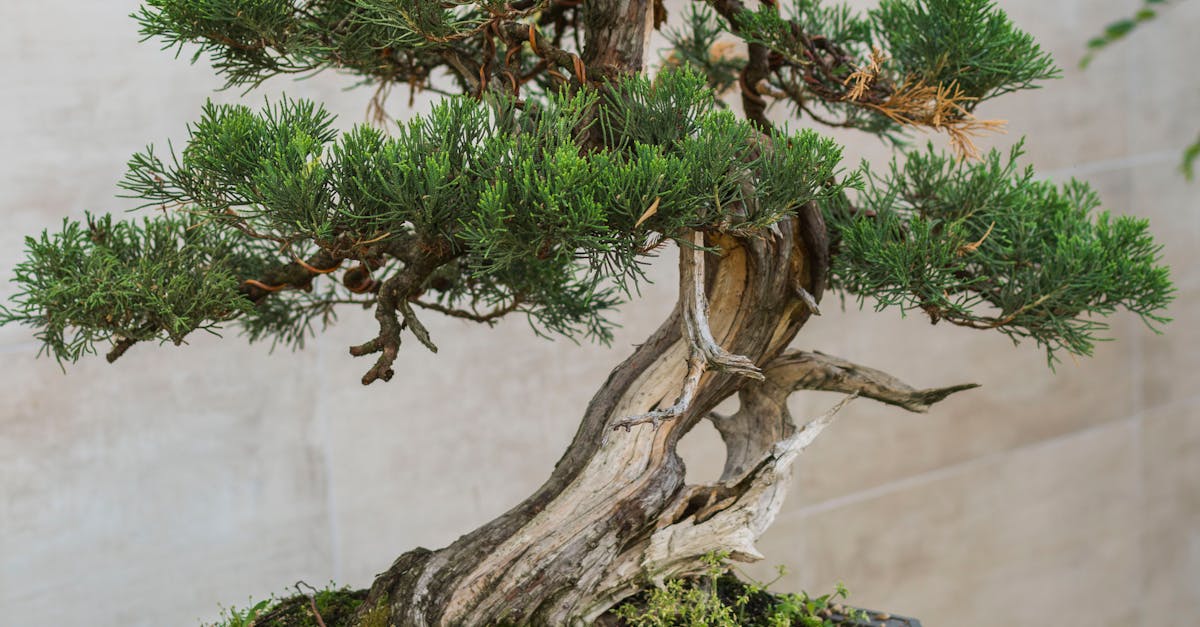
Windswept: The tree has a trunk that is twisted and gnarled, and its branches are windswept and weathered. The tree has a sense of strength and resilience.
In addition to these basic styles, there are many other variations and combinations of styles. Bonsai artists also use a variety of techniques to shape and train their trees, such as pruning, wiring, and root pruning.
4. Evaluating Bonsai Excellence
Evaluating Bonsai Excellence: Criteria for Judging at the Noelanders Trophy
The Noelanders Trophy is one of the most prestigious bonsai competitions in the world, and the judging process is extremely rigorous. The trees are judged by a panel of experts, who evaluate the trees based on a variety of criteria, including:
Technical merit: The tree should be well-trained and well-maintained. The pruning and root development should be of high quality.
Overall appearance: The tree should be visually appealing and well-proportioned. The foliage should be healthy and lush, and the branches should be well-placed.
Balance and harmony: The tree should have a good balance between the different elements, such as the trunk, branches, and foliage. The tree should also be in harmony with its container.
Originality: The tree should be unique and creative. The artist should have used their own personal style to create the tree.
Age and size: Older trees and larger trees are typically given more consideration, as they represent a greater investment of time and effort on the part of the artist.
The judges also consider the tree’s species and style when making their evaluations. Different species of trees have different characteristics, and different styles of bonsai require different techniques. The judges take all of these factors into account when determining which tree is the most deserving of the Noelanders Trophy.
Technical Criteria
Technical Criteria: Evaluating Tree Health, Pruning, and Root Development
The technical criteria used to evaluate bonsai at the Noelanders Trophy focus on the tree’s health, pruning techniques, and root development. These criteria are essential for ensuring that the tree is healthy and vigorous, and that it has been trained and maintained in a way that is consistent with the principles of bonsai.
Tree health: The tree should be free of pests and diseases. The foliage should be healthy and lush, and the branches should be strong and well-proportioned. The tree should also be well-rooted and have a good root system.
Pruning techniques: The pruning should be clean and precise. The cuts should be made at the correct angles and in the correct locations. The pruning should also be balanced, and it should not damage the tree’s natural shape.
Root development: The roots should be healthy and well-developed. The roots should be evenly distributed throughout the pot, and they should not be circling or缠绕. The root system should also be in proportion to the size of the tree.
The judges at the Noelanders Trophy carefully evaluate all of these technical criteria when determining which tree is the most deserving of the award.
Aesthetic Criteria
Aesthetic Criteria: Balance, Harmony, and Artistic Interpretation
In addition to the technical criteria, the judges at the Noelanders Trophy also evaluate the tree’s aesthetic qualities. These qualities include balance, harmony, and artistic interpretation.
Balance: The tree should have a good balance between the different elements, such as the trunk, branches, and foliage. The tree should also be in harmony with its container.
Harmony: The tree should have a sense of harmony and unity. All of the elements of the tree should work together to create a pleasing and cohesive composition.
Artistic interpretation: The tree should be a unique and creative expression of the artist’s personal style. The artist should have used their own unique perspective and interpretation to create the tree.
The judges consider all of these aesthetic criteria when determining which tree is the most deserving of the award. The winning tree is typically the tree that best combines technical excellence with aesthetic appeal.
5. The Legacy and Impact of the Noelanders Trophy
The Legacy and Impact of the Noelanders Trophy: Preserving Traditions and Inspiring New Generations
The Noelanders Trophy has had a profound impact on the art of bonsai and its community. The competition has helped to raise the profile of bonsai and has inspired a new generation of bonsai artists. The competition has also helped to preserve the traditional techniques and styles of bonsai.
Preserving bonsai traditions: The Noelanders Trophy has helped to preserve the traditional techniques and styles of bonsai. The competition has encouraged bonsai artists to learn and master the traditional techniques, and it has also helped to promote the use of traditional materials and tools.
Inspiring new generations: The Noelanders Trophy has inspired a new generation of bonsai artists. The competition has shown young artists what is possible in the art of bonsai, and it has encouraged them to pursue their own unique styles and interpretations. The competition has also helped to create a community of bonsai artists who are passionate about the art form and who are dedicated to preserving its traditions.
The Noelanders Trophy is a prestigious competition that has had a significant impact on the art of bonsai. The competition has helped to preserve the traditional techniques and styles of bonsai, and it has inspired a new generation of bonsai artists.
Preserving Bonsai Traditions
Preserving Bonsai Traditions: Nurturing Techniques and Styles
The Noelanders Trophy competition plays a vital role in preserving bonsai traditions by encouraging bonsai artists to learn and master the traditional techniques and styles of the art form. The competition also helps to promote the use of traditional materials and tools.
Traditional techniques: The Noelanders Trophy competition encourages bonsai artists to use traditional techniques to create their trees. These techniques include pruning, wiring, and root pruning. The competition also encourages artists to use traditional tools, such as Japanese shears and chisels.
Traditional styles: The Noelanders Trophy competition also helps to preserve traditional bonsai styles. These styles include the formal upright style, the informal upright style, the slanting style, the semi-cascade style, and the cascade style. The competition encourages artists to learn and master these traditional styles and to create trees that are true to the style.
Traditional materials: The Noelanders Trophy competition also encourages the use of traditional materials in bonsai. These materials include Japanese black pines, Japanese white pines, and Japanese maples. The competition also encourages artists to use traditional pots and containers.
By encouraging the use of traditional techniques, styles, and materials, the Noelanders Trophy competition helps to preserve the traditions of bonsai and to ensure that these traditions are passed down to future generations.
Inspiring New Generations
Inspiring New Generations: Nurturing a Passion for Bonsai
The Noelanders Trophy competition plays a vital role in inspiring and nurturing the next generation of bonsai enthusiasts. The competition provides a platform for young artists to showcase their work and to learn from more experienced artists. The competition also helps to raise the profile of bonsai and to attract new people to the art form.
Platform for young artists: The Noelanders Trophy competition provides a platform for young bonsai artists to showcase their work. The competition is open to artists of all ages and experience levels, but it is particularly encouraging for young artists who are just starting out in their careers. The competition gives young artists an opportunity to get their work seen by a wider audience and to receive feedback from more experienced artists.
Learning opportunities: The Noelanders Trophy competition also provides learning opportunities for young bonsai artists. The competition brings together some of the world’s best bonsai artists, and young artists can learn a great deal by observing their work and by talking to them about their techniques and styles. The competition also offers workshops and demonstrations, which can help young artists to develop their skills.
Raising the profile of bonsai: The Noelanders Trophy competition helps to raise the profile of bonsai and to attract new people to the art form. The competition is widely publicized, and it attracts a lot of attention from the media. This helps to raise awareness of bonsai and to make it more accessible to a wider audience. By inspiring and nurturing the next generation of bonsai enthusiasts, the Noelanders Trophy competition helps to ensure the future of the art form.
What is the history of the Noelanders Trophy?
The Noelanders Trophy was first awarded in 1980, thanks to the donation of the trophy by Mr. Leon Noelanders, a Belgian bonsai enthusiast. The competition was originally held in Belgium, but it was moved to Japan in 1989. The competition is now held annually at the Saitama Bonsai Village in Saitama, Japan.
What are the criteria for selecting the participating bonsai?
The trees are selected by a panel of experts, who evaluate the trees based on a variety of criteria, including their overall appearance, balance, harmony, technical merit, and originality.
What are some of the most common bonsai styles?
Some of the most common bonsai styles include the formal upright style, the informal upright style, the slanting style, the semi-cascade style, and the cascade style.
What are the technical criteria used to evaluate bonsai at the Noelanders Trophy?
The technical criteria used to evaluate bonsai at the Noelanders Trophy include the tree’s health, pruning techniques, and root development.
What are the aesthetic criteria used to evaluate bonsai at the Noelanders Trophy?
The aesthetic criteria used to evaluate bonsai at the Noelanders Trophy include the tree’s balance, harmony, and artistic interpretation.
The Art of Bonsai Repotting: Nurturing Growth, Preserving Beauty Bonsai, the ancient art of cultivating miniature trees, requires meticulous care Read more
The Art of Nourishing Miniature Masterpieces: A Comprehensive Guide to Bonsai Fertilization Fertilizing Bonsai: A Guide to Miniature Tree Maintenance Read more
Master the Art of Bonsai: Unlocking Advanced Techniques and Inspiring Creations
Are you ready to elevate your bonsai skills and delve into the intricacies of advanced techniques? Our exclusive video collection is a treasure trove of wisdom, featuring masterclasses from renowned bonsai grand masters and comprehensive tutorials covering all aspects of bonsai care. Prepare to be captivated by time-lapse videos documenting breathtaking bonsai transformations and engage in virtual workshops with experienced bonsai artists. Join us on this extraordinary journey to cultivate exceptional bonsai specimens and deepen your understanding of this ancient art form.
1. Masterclass from Bonsai Grand Masters
In this exclusive masterclass series, you’ll have the rare opportunity to learn directly from the living legends of the bonsai world. These renowned grand masters have spent decades honing their skills and perfecting their techniques, and now they share their secrets with you.
Through in-depth video lessons, you’ll gain invaluable insights into the art of shaping, pruning, and wiring bonsai to create visually stunning and harmonious compositions. You’ll discover the techniques for developing miniature landscapes that emulate natural beauty, from verdant forests to cascading waterfalls.
Whether you’re an experienced bonsai enthusiast or just starting to delve into this captivating art form, these masterclasses are an exceptional opportunity to advance your skills and deepen your understanding of bonsai. With the guidance of these grand masters, you’ll unlock the potential of your bonsai specimens and create living works of art that will bring joy and tranquility to your surroundings.
Techniques for Achieving Refined Aesthetics
The art of shaping, pruning, and wiring bonsai is a delicate and precise skill, and it takes years of practice to master. In this section, we’ll explore the advanced techniques used by bonsai masters to create visually stunning and harmonious compositions.
One of the most important aspects of bonsai aesthetics is balance. The tree should be balanced in all directions, and the branches should be arranged in a way that creates a sense of harmony and unity. Bonsai masters use a variety of techniques to achieve balance, including pruning, wiring, and root pruning.
Pruning is used to remove unwanted branches and to shape the tree. Wiring is used to train the branches into the desired position. Root pruning is used to control the size of the root system and to encourage the tree to develop a more compact root structure.
In addition to balance, bonsai masters also strive to create a sense of depth and perspective in their compositions. This can be achieved by using a variety of techniques, such as creating the illusion of distance by using smaller trees in the background, or by using rocks and other objects to create a sense of scale.
By mastering the techniques of shaping, pruning, and wiring, you can create bonsai specimens that are both beautiful and harmonious. With practice and patience, you can learn to create miniature landscapes that emulate the beauty of nature and bring tranquility to your surroundings.
Mastering Advanced Grafting Techniques
Advanced grafting techniques allow bonsai enthusiasts to create unique and complex specimens by combining different species and growth habits. These techniques can be used to repair damaged trees, to create new varieties, or simply to add interest and character to a bonsai.
One of the most common advanced grafting techniques is bud grafting. In this technique, a bud from one tree is inserted into the bark of another tree. The bud will then grow into a new branch, which will have the same genetic characteristics as the tree it came from.
Another advanced grafting technique is approach grafting. In this technique, two trees are grown close together and their branches are then joined together. The branches will eventually fuse together, creating a strong and permanent bond.
Veneer grafting is a more complex grafting technique that is used to create a stronger union between two trees. In this technique, a thin slice of bark is removed from both trees and the two trees are then joined together. The cambium layers of the two trees will then grow together, creating a strong and permanent bond.
Mastering advanced grafting techniques takes time and practice, but the results can be truly stunning. With patience and care, you can create unique and complex bonsai specimens that will be the envy of your friends and fellow enthusiasts.
Expert Insights on Soil Management and Nutrition
The health and vigor of your bonsai depends on the quality of its soil. Bonsai soil must be well-draining, yet it must also retain enough moisture to support the tree’s roots. It must also contain the nutrients that the tree needs to grow and thrive.
In this section, we’ll explore expert insights on soil management and nutrition for bonsai trees. We’ll discuss the different types of soil that can be used for bonsai, as well as the nutrients that bonsai trees need. We’ll also provide tips on how to improve the drainage and aeration of your bonsai soil.
With proper soil management and nutrition, you can ensure that your bonsai tree has the best possible foundation for growth and development. Your tree will be more resistant to pests and diseases, and it will produce more beautiful foliage and flowers.
2. Comprehensive Tutorials Covering All Aspects of Bonsai Care
Bonsai care is a complex and multifaceted art form, but it can also be incredibly rewarding. With proper care, bonsai trees can live for hundreds of years, providing their owners with a lifetime of beauty and enjoyment.
In this section, we’ll provide comprehensive tutorials covering all aspects of bonsai care, from basic techniques to advanced styling methods. Whether you’re a beginner or an experienced bonsai enthusiast, you’ll find valuable information in these tutorials.
We’ll cover everything from watering and fertilizing to pruning and repotting. We’ll also discuss how to deal with pests and diseases, and how to style your bonsai tree to create a beautiful and harmonious composition.
With the help of these tutorials, you’ll be able to provide your bonsai tree with the best possible care, and you’ll be rewarded with a beautiful and thriving specimen that will bring you joy for many years to come.
Essential Techniques for Bonsai Beginners
Mastering the essential techniques of bonsai care is the first step on your journey to becoming a successful bonsai enthusiast. These techniques will provide you with the foundation you need to keep your bonsai tree healthy and thriving for many years to come.
In this section, we’ll cover the four essential techniques that every bonsai beginner should know: watering, pruning, repotting, and pest control. We’ll provide step-by-step instructions for each technique, as well as tips and tricks to help you avoid common pitfalls.
Once you’ve mastered these essential techniques, you’ll be well on your way to becoming a successful bonsai enthusiast. Your tree will be healthy and vigorous, and you’ll be able to enjoy its beauty for many years to come.
Advanced Styling Techniques for Experienced Enthusiasts
Once you’ve mastered the essential bonsai care techniques, you can start to explore more advanced styling techniques to create truly unique and sophisticated miniature landscapes. These techniques include crown and root reduction, deadwood creation, and the use of accent plants.
Crown reduction is a technique used to reduce the size of the tree’s canopy. This can be done for a variety of reasons, such as to improve the tree’s balance or to create a more compact shape. Root reduction is a similar technique that is used to reduce the size of the tree’s root system. This can be done to encourage the tree to develop a more compact root structure or to make it easier to repot the tree.
Deadwood creation is a technique that involves removingの一部 of the tree’s bark and cambium layer to create the illusion of deadwood. This can add a sense of age and maturity to the tree, and it can also be used to create interesting visual effects.
Accent plants are small plants that are used to add interest and detail to a bonsai composition. Accent plants can be of any species, but they are typically chosen for their small size and their ability to complement the main tree.
By mastering these advanced styling techniques, you can create bonsai specimens that are truly works of art. Your trees will be unique and visually captivating, and they will be sure to impress your friends and fellow enthusiasts.
Specialized Care for Different Bonsai Species
Different bonsai species have different requirements for care and maintenance. In this section, we’ll provide specialized care tips for three of the most popular bonsai species: Japanese maples, pines, and ficus.
Japanese maples are deciduous trees that are known for their beautiful foliage. They prefer to grow in well-drained soil that is rich in organic matter. They also need to be protected from strong winds and direct sunlight.
Pines are evergreen trees that are known for their strong and sturdy trunks. They prefer to grow in well-drained soil that is slightly acidic. They also need to be placed in a location where they will receive plenty of sunlight.
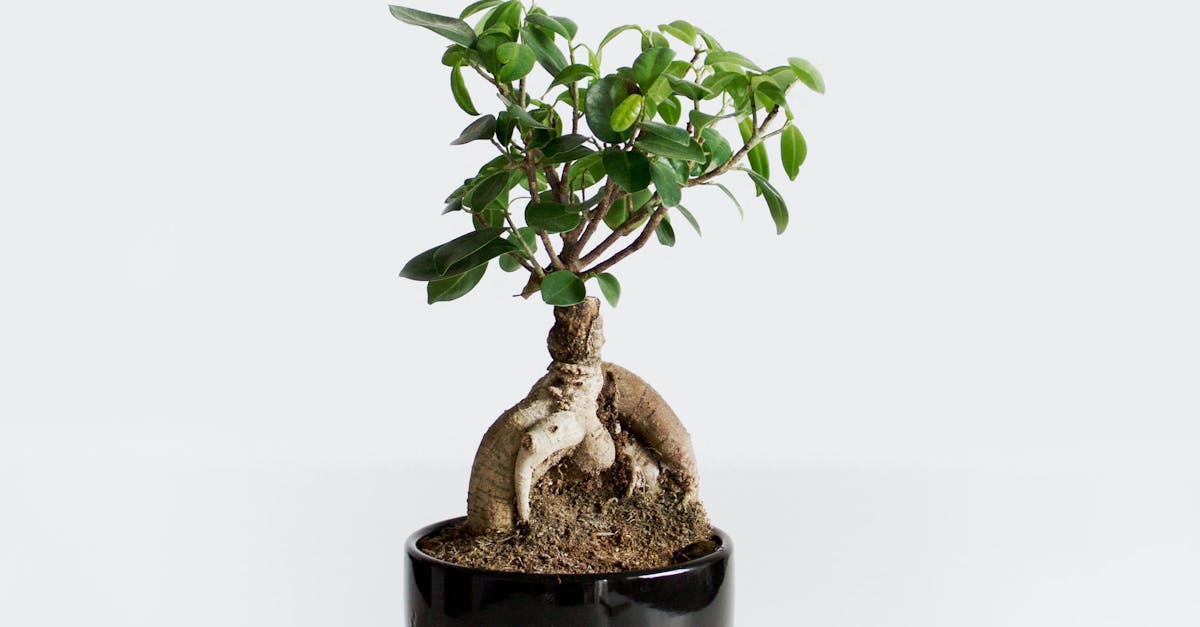
Ficus are tropical trees that are known for their large leaves and their ability to tolerate a wide range of growing conditions. They prefer to grow in well-drained soil that is rich in organic matter. They also need to be placed in a location where they will receive bright, indirect light.
By following these care tips, you can ensure that your bonsai trees will thrive and bring you many years of enjoyment.
3. Exclusive Interviews with Bonsai Experts
In this section, we’ll bring you exclusive interviews with leading bonsai experts from around the world. These experts will share their experiences, philosophies, and advice on cultivating exceptional bonsai specimens. You’ll learn about the latest trends and innovations in the bonsai world, and you’ll get a glimpse into the minds of some of the most respected bonsai artists in the world.
Our interviews will cover a wide range of topics, from basic bonsai care techniques to advanced styling methods. We’ll also discuss the history of bonsai, the different styles of bonsai, and the unique challenges of cultivating bonsai in different climates.
Whether you’re a beginner or an experienced bonsai enthusiast, you’re sure to learn something new and valuable from our exclusive interviews with bonsai experts.
The Art of Bonsai: A Conversation with Master Kimura
In this exclusive interview, we sit down with the revered bonsai master, Mr. Masahiko Kimura. Mr. Kimura is one of the most respected bonsai artists in the world, and his work has been featured in museums and galleries around the globe.
In our conversation, Mr. Kimura discusses his approach to bonsai, his techniques for creating masterpieces, and his philosophy on the art of miniaturization. He shares his insights on the importance of patience, observation, and respect for nature.
Mr. Kimura also discusses the unique challenges of cultivating bonsai in Japan, where the climate and culture are particularly well-suited to this art form. He explains how he selects his trees, how he cares for them, and how he styles them to create beautiful and harmonious compositions.
Modern Bonsai Trends with Contemporary Artists
In this section, we’ll explore the cutting-edge of bonsai with interviews featuring contemporary artists who are pushing the boundaries of the art form. We’ll discuss innovative styling techniques, unique species selection, and the influence of modern aesthetics on bonsai design.
Our interviews will feature some of the most exciting and innovative bonsai artists working today. These artists are using new and experimental techniques to create bonsai specimens that are unlike anything that has been seen before. They are also using a wider range of species than traditional bonsai artists, including tropical and subtropical trees.
The result of this experimentation is a new and exciting style of bonsai that is both modern and timeless. These contemporary bonsai specimens are sure to inspire and amaze you.
Behind the Scenes with Bonsai Nurseries
In this section, we’ll go behind the scenes of renowned bonsai nurseries and witness the dedication and artistry of professional bonsai growers. We’ll learn about their cultivation techniques, stock management, and the secrets behind producing exceptional bonsai specimens.
Our cameras will take you inside some of the most prestigious bonsai nurseries in the world, where you’ll meet the master growers who are responsible for creating some of the most beautiful and valuable bonsai trees in existence.
You’ll learn about the different techniques that these growers use to cultivate and care for their trees, from the art of selecting and shaping the perfect specimen to the science of watering and fertilizing. You’ll also get a glimpse into the day-to-day operations of a bonsai nursery, from the meticulous care of the trees to the careful selection of pots and accessories.
In this section, we’ll present captivating time-lapse videos that document the beauty and wonder of bonsai transformations. You’ll witness the gradual evolution of bonsai specimens over weeks, months, or even years, and you’ll observe the effects of pruning, wiring, and other techniques on the development of these living sculptures.
Our time-lapse videos will take you on a journey through the life of a bonsai tree, from the initial selection of the raw material to the final unveiling of the finished masterpiece. You’ll see how the artist’s vision and skill are brought to life through the careful application of bonsai techniques.
These time-lapse videos are a unique and inspiring way to learn about the art of bonsai. They provide a rare glimpse into the patience and dedication that is required to create these beautiful and enduring works of art.
From Seed to Specimen: The Journey of a Bonsai
In this section, we’ll follow the complete life cycle of a bonsai from its humble beginnings as a seed to its maturity as a refined specimen. You’ll witness the transformation of a tiny seedling into a majestic miniature tree, and you’ll learn about the care and techniques that are required to create a beautiful and healthy bonsai.
We’ll start by selecting the perfect seed for our bonsai. We’ll then plant the seed and care for the seedling as it grows. We’ll prune and wire the seedling to shape it into a bonsai, and we’ll repot it as it grows.
Over time, our bonsai will mature into a beautiful and stately specimen. We’ll continue to care for it and train it, and we’ll enjoy its beauty for many years to come.
In this section, we’ll present dramatic bonsai makeovers through time-lapse videos. You’ll see neglected and overgrown trees transformed into stunning works of art, demonstrating the power of bonsai techniques to revitalize and enhance the beauty of these living sculptures.
Our time-lapse videos will show you the entire process of a bonsai makeover, from the initial assessment of the tree to the final styling and finishing touches. You’ll see how the artist uses a variety of techniques to improve the tree’s health and appearance, including pruning, wiring, and repotting.
These time-lapse videos are a great way to learn about the art of bonsai and to see the amazing transformations that are possible with these beautiful trees.
The Art of Seasonal Changes: Bonsai in Different Seasons
In this section, we’ll observe the impact of seasonal changes on bonsai specimens through time-lapse videos. You’ll witness the vibrant colors of spring, the lush greenery of summer, the fiery hues of autumn, and the ethereal beauty of bonsai in winter.
Our time-lapse videos will show you how bonsai trees change throughout the year. You’ll see how the leaves change color in the fall, how the trees go dormant in the winter, and how they burst into life again in the spring.
These time-lapse videos are a great way to learn about the different seasons of the year and to see how bonsai trees adapt to the changing environment.
5. Virtual Bonsai Workshops and Online Courses
In this section, we’ll introduce you to virtual bonsai workshops and online courses that can help you enhance your bonsai skills from the comfort of your own home. These e-learning platforms offer a convenient and flexible way to learn from experienced bonsai instructors, participate in interactive demonstrations, and engage in discussions with fellow enthusiasts.
Virtual bonsai workshops are typically held live over video conferencing platforms, allowing you to interact with the instructor and other participants in real time. These workshops often cover specific bonsai techniques or styles, and they provide a great opportunity to get personalized feedback on your own bonsai trees.
Online bonsai courses are typically self-paced, allowing you to learn at your own speed. These courses often include video lessons, written materials, and online forums where you can ask questions and share your progress with other students.
Live Online Workshops with Master Bonsai Artists
Live online workshops with master bonsai artists offer a unique opportunity to learn from the best in the field from the comfort of your own home. These workshops are typically held over video conferencing platforms, and they allow you to interact with the instructor and other participants in real time.
During a live online workshop, you’ll receive personalized instruction from a master bonsai artist. You’ll be able to ask questions, get feedback on your own bonsai trees, and learn from the artist’s years of experience.
Live online workshops are a great way to improve your bonsai skills and to gain a deeper understanding of the art of bonsai cultivation. They’re also a great opportunity to connect with other bonsai enthusiasts from around the world.
Comprehensive Online Courses Covering All Aspects of Bonsai
Comprehensive online courses covering all aspects of bonsai are a great way to learn the art of bonsai cultivation at your own pace. These courses typically include video lessons, written materials, and online forums where you can ask questions and share your progress with other students.
Online bonsai courses can cover a wide range of topics, from basic bonsai care techniques to advanced styling methods. Some courses even offer live online workshops with experienced bonsai instructors.
The benefits of taking an online bonsai course include the flexibility to learn at your own pace, the ability to access course materials anytime, and the opportunity to connect with other bonsai enthusiasts from around the world.
Benefits of Virtual Bonsai Learning: Convenience and Accessibility
Virtual bonsai learning offers a number of advantages over traditional in-person learning, including the convenience of attending workshops and courses from anywhere in the world, the flexibility to learn at your own pace, and the opportunity to connect with a global community of bonsai enthusiasts.
With virtual bonsai learning, you can learn from the best bonsai instructors in the world without having to travel to their location. You can also learn at your own pace, and you can access course materials anytime, anywhere.
Virtual bonsai learning also provides a great opportunity to connect with other bonsai enthusiasts from around the world. You can share your progress, ask questions, and learn from others in the online bonsai community.
What are the benefits of learning bonsai online?
There are many benefits to learning bonsai online, including the convenience of attending workshops and courses from anywhere in the world, the flexibility to learn at your own pace, and the opportunity to connect with a global community of bonsai enthusiasts.
What are some of the best online bonsai courses?
Some of the best online bonsai courses include those offered by the Bonsai Society of America, the American Bonsai Society, and the International Bonsai Arboretum.
How can I find a local bonsai club or society?
You can find a local bonsai club or society by searching online or by contacting your local botanical garden or arboretum.
The Art of Bonsai Repotting: Nurturing Growth, Preserving Beauty Bonsai, the ancient art of cultivating miniature trees, requires meticulous care Read more
The Art of Nourishing Miniature Masterpieces: A Comprehensive Guide to Bonsai Fertilization Fertilizing Bonsai: A Guide to Miniature Tree Maintenance Read more
The Essential Guide to Bonsai Watering: Unlocking the Secrets of Miniature Tree Care Understanding the Art of Bonsai Watering: A Read more
A note to our visitors
This website has updated its privacy policy in compliance with changes to European Union data protection law, for all members globally. We’ve also updated our Privacy Policy to give you more information about your rights and responsibilities with respect to your privacy and personal information. Please read this to review the updates about which cookies we use and what information we collect on our site. By continuing to use this site, you are agreeing to our updated privacy policy.
Bonsai Trees and Supplies Direct From the Grower !