Unveiling the Enchanting World of Kokedama: A Guide to Japanese Moss Ball Creations
Kokedama: The Living Art of Japanese Moss Balls
Discover the enchanting world of Kokedama, a captivating Japanese art form where living plants are transformed into exquisite, moss-covered spheres. This comprehensive guide will unveil the historical origins, essential materials, step-by-step creation process, nurturing techniques, and creative expressions of Kokedama, offering you the knowledge and inspiration to cultivate these enchanting living art pieces in your own space.
Rooted in ancient Japanese tradition, Kokedama combines the beauty of nature with the artistry of human hands. These living sculptures bring a touch of tranquility and organic elegance to any environment, seamlessly blending horticulture and aesthetics. Embark on this journey to master the art of Kokedama and create your own verdant masterpieces, fostering a closer connection with nature and beautifying your surroundings with living art.
1. The Enchanting Origins of Kokedama
The Enchanting Origins of Kokedama: Tracing Roots in Japanese Tradition
The art of Kokedama, with its captivating moss-covered plant spheres, has a rich history deeply intertwined with Japanese culture and horticulture. Its origins can be traced back to the ancient practice of kusamono, a form of miniature gardening that involved苔玉 (kokedama) or moss balls, which were used to decorate tokonoma, the alcoves in traditional Japanese tea ceremony rooms.
Over time, Kokedama evolved into a distinct art form, embodying the Japanese reverence for nature and the Wabi-sabi aesthetic, which celebrates the beauty of imperfection and impermanence. These living sculptures became popular not only as decorative elements but also as a way to connect with nature indoors, particularly in urban environments where traditional gardening space was limited.
Today, Kokedama continues to captivate plant enthusiasts and interior designers alike, offering a unique way to bring the tranquility of nature into modern living spaces. Its versatility and adaptability make it suitable for both indoor and outdoor settings, adding a touch of organic elegance to any environment.
2. Essential Materials for Crafting Kokedama
Essential Materials for Crafting Kokedama: Embarking on Your Creative Journey
To embark on your Kokedama-making adventure, you will need to gather a few essential materials that will serve as the building blocks for your living sculptures. These materials include:
Soil: Opt for a well-draining potting mix specifically designed for indoor plants. This will provide optimal aeration and drainage for your plant’s roots.
Moss: Select fresh, vibrant moss that is free of pests and diseases. Sphagnum moss is a popular choice due to its moisture-retentive properties and durability.
Twine: Choose a natural twine, such as jute or cotton, that is strong enough to support the weight of your Kokedama. The twine will be used to secure the moss around the soil ball.
Plant: Select a small plant that is suitable for growing in a Kokedama. Plants with shallow root systems and moisture-loving characteristics are ideal.
Once you have gathered your materials, you will be ready to embark on the enchanting journey of creating your own Kokedama, transforming simple elements into captivating living art.
3. Step-by-Step Kokedama Creation Guide
Step-by-Step Kokedama Creation Guide: A Journey of Nature and Art
With your materials gathered, you can now embark on the enchanting process of creating your own Kokedama. Follow these steps to transform simple elements into a living masterpiece:
1. Prepare the Soil Mixture: Combine the potting mix with a small amount of water to create a moist, workable mixture. The soil should be damp but not soggy. Form the mixture into a ball, ensuring it is firm enough to hold its shape.
2. Wrap the Soil Ball with Moss: Take a handful of moss and spread it out on a flat surface. Place the soil ball in the center of the moss and gently wrap the moss around it, covering the entire surface. Use your hands to press the moss firmly against the soil.
3. Secure the Moss with Twine: Begin wrapping the twine around the moss-covered soil ball, starting from the top and working your way down. Wrap the twine tightly, creating a criss-cross pattern to secure the moss in place. Leave a few inches of twine at the top for suspending your Kokedama.
4. Suspend Your Living Art: Find a suitable location to suspend your Kokedama. You can use a hook, a piece of driftwood, or even a decorative stand. Tie the remaining twine to the hanging point and adjust the height to your liking.
With these steps, you have successfully crafted your own Kokedama, a living piece of art that brings nature’s beauty into your space. Nurture your Kokedama with proper care, and it will thrive as a testament to your creativity and connection with the natural world.
4. Nurturing and Care for Your Kokedama
Nurturing and Care for Your Kokedama: A Guide to a Thriving Living Art
Once you have crafted your Kokedama, providing proper care will ensure its health and beauty for years to come. Here are some essential nurturing tips:
Watering: Kokedama require regular watering, but it’s crucial to avoid overwatering, as this can lead to root rot. The best method is to submerge the Kokedama in a bowl of water for 5-10 minutes, allowing it to absorb moisture thoroughly. Remove it from the water and let the excess drain before returning it to its hanging spot.
Lighting: Kokedama prefer bright, indirect light. Avoid placing them in direct sunlight, as this can dry out the moss and damage the plant. East or north-facing windows are ideal locations for providing ample light without scorching.
Common Challenges: While Kokedama are generally low-maintenance, they may encounter a few common challenges. Brown or dry moss can indicate underwatering or low humidity. Misting the moss regularly can help keep it hydrated. Yellowing leaves on the plant could signal overwatering or insufficient light. Adjust your watering schedule and provide more light as needed.
By following these nurturing tips, you can ensure that your Kokedama thrives as a vibrant and enduring piece of living art, bringing a touch of nature’s beauty into your space.
5. Creative Variations and Modern Expressions of Kokedama
Creative Variations and Modern Expressions of Kokedama: The Evolution of an Ancient Art
The art of Kokedama continues to evolve, with creative enthusiasts pushing the boundaries of this ancient practice. Here are some captivating variations and modern expressions to inspire your own creations:
Shape and Size: Kokedama are no longer confined to the traditional spherical shape. Experiment with different forms, such as teardrop, cube, or even abstract shapes, to create unique and eye-catching pieces. The size can also vary, from petite Kokedama suitable for terrariums to larger ones that make a bold statement.
Plant Selection: While traditional Kokedama often feature ferns and mosses, contemporary artists are incorporating a wider variety of plants, including succulents, orchids, and even small flowering plants. This allows for endless possibilities in terms of color, texture, and visual interest.
Display Methods: Kokedama are no longer restricted to hanging from strings. They can be displayed on pedestals, placed in shallow bowls, or even arranged in kokedama gardens, creating miniature landscapes that bring nature indoors. Some artists are also experimenting with using different materials, such as wire and driftwood, to create unique and innovative display structures.
These creative variations and modern expressions showcase the versatility and adaptability of Kokedama, transforming this ancient art form into a dynamic and contemporary way to connect with nature and add a touch of organic beauty to any space.
Can Kokedama be placed outdoors?
While Kokedama can be displayed outdoors for short periods, they are generally better suited for indoor environments. Extended exposure to extreme temperatures, direct sunlight, or harsh weather can damage the plant and moss.
How often should I water my Kokedama?
The watering frequency for Kokedama depends on the type of plant, the size of the Kokedama, and the climate. Generally, it’s best to check the moss regularly and water when it feels dry to the touch. Submerging the Kokedama in water for 5-10 minutes is an effective way to ensure thorough hydration.
Can I use artificial moss for my Kokedama?
While it’s possible to use artificial moss for Kokedama, it’s not recommended. Artificial moss does not provide the same benefits as natural moss, such as moisture retention and air purification. Natural moss also adds to the organic and authentic beauty of Kokedama.
What are some creative ways to display Kokedama?
There are many creative ways to display Kokedama beyond hanging them from strings. You can place them on pedestals or in shallow bowls, arrange them in groups to create miniature kokedama gardens, or even suspend them from the ceiling using wires or driftwood.
Can Kokedama be used to propagate plants?
Yes, Kokedama can be used to propagate certain types of plants. By taking cuttings from a healthy plant and rooting them in a Kokedama, you can create new plants while maintaining the unique moss-covered aesthetic.
The Art of Bonsai Repotting: Nurturing Growth, Preserving Beauty Bonsai, the ancient art of cultivating miniature trees, requires meticulous care Read more
The Art of Nourishing Miniature Masterpieces: A Comprehensive Guide to Bonsai Fertilization Fertilizing Bonsai: A Guide to Miniature Tree Maintenance Read more
The Art of Bonsai: A Journey into Miniature Masterpieces
Step into the realm of miniature marvels with The Bonsai Empire Podcast, where bonsai masters unveil the ancient art of cultivating and shaping living sculptures. Join the esteemed hosts as they delve into the intricate techniques of bonsai cultivation and engage in captivating interviews with renowned experts in the field. Discover the cultural and philosophical depths of this timeless art form, and immerse yourself in the world of bonsai mastery.
The Bonsai Empire Podcast captivates listeners with its comprehensive exploration of bonsai cultivation. From the delicate art of pruning and wiring to the meticulous selection of soil and pots, the podcast unveils the secrets behind creating and maintaining these exquisite living masterpieces. Experienced bonsai enthusiasts and aspiring apprentices alike will find a wealth of knowledge and inspiration within each episode’s expert insights and practical guidance.
Beyond its technical prowess, The Bonsai Empire Podcast delves into the profound cultural and philosophical significance of bonsai. Listeners will discover the deep-rooted connection between bonsai and nature, and explore the meditative aspects of the art form. Interviews with renowned bonsai masters provide unique perspectives on the personal growth and self-discovery that can accompany the practice of bonsai. Whether you are a seasoned enthusiast or a curious newcomer, The Bonsai Empire Podcast offers an invaluable resource for expanding your knowledge and understanding of this captivating art form.
1. Unveiling the Bonsai Empire Podcast: A Gateway to Bonsai Mastery
Welcome to The Bonsai Empire Podcast, a captivating gateway to the enthralling world of bonsai. Join hosts Michael Hagedorn, Bjorn Bjorholm, and Peter Warren as they unveil the secrets of cultivating and shaping these miniature masterpieces. With decades of combined experience in the art of bonsai, the trio offers a wealth of knowledge and insights for enthusiasts of all levels.
Michael Hagedorn, a renowned bonsai artist and teacher, brings a deep understanding of horticultural techniques and a passion for sharing his expertise. Bjorn Bjorholm, a respected bonsai professional and author, contributes his extensive knowledge of bonsai design and aesthetics. Peter Warren, a skilled bonsai practitioner and enthusiast, provides a unique perspective on the practical aspects of bonsai care and maintenance.
Together, Michael, Bjorn, and Peter create a dynamic and engaging podcast that covers a wide range of bonsai topics. From in-depth discussions on specific tree species to interviews with world-renowned bonsai masters, The Bonsai Empire Podcast offers a comprehensive and accessible exploration of this captivating art form.
2. Exploring the Nuances of Bonsai Cultivation: From Aesthetics to Techniques
In the realm of bonsai cultivation, The Bonsai Empire Podcast delves into the intricate techniques that transform ordinary trees into exquisite living sculptures. Join the hosts as they explore the art of pruning, the delicate balance of wiring, and the crucial considerations of soil selection.
Pruning, a fundamental technique in bonsai, is meticulously examined in the podcast. Listeners will learn the principles of selective branch removal, gaining insights into how to shape and refine the overall structure of their bonsai trees. The hosts provide clear guidance on the timing and methods of pruning, empowering enthusiasts to confidently execute this essential practice.
Wiring, another key technique in bonsai cultivation, is explored in depth. The podcast unravels the complexities of wire gauges, types, and application methods. Listeners will discover how to harness the power of wire to gently coax branches into desired positions, creating graceful curves and enhancing the overall aesthetic appeal of their bonsai trees.
3. Interviewing Renowned Bonsai Masters: Tapping into a Wealth of Knowledge
The Bonsai Empire Podcast elevates the art of bonsai by bringing listeners the wisdom and insights of renowned bonsai masters from around the globe. Through in-depth interviews, the hosts engage with these esteemed experts, delving into their unique perspectives and experiences. These conversations offer a rare opportunity to tap into the wealth of knowledge possessed by the world’s leading bonsai practitioners.
Listeners will gain an intimate understanding of the masters’ creative processes, their approaches to tree selection and cultivation, and their philosophies on the art of bonsai. The podcast provides a platform for these experts to share their hard-earned lessons and insights, inspiring listeners to refine their own techniques and deepen their appreciation for bonsai.
Each interview is a captivating journey into the mind of a bonsai master, offering valuable lessons and practical advice. Listeners will be captivated by the stories, anecdotes, and demonstrations shared by these esteemed individuals, gaining a deeper understanding of the intricacies of bonsai cultivation and the profound cultural significance of this ancient art form.
4. Bonsai Beyond Aesthetics: Unveiling the Cultural and Philosophical Aspects
The Bonsai Empire Podcast transcends the realm of aesthetics, delving into the profound cultural and philosophical dimensions of bonsai. The podcast explores the deep connection between bonsai and nature, highlighting how this art form mirrors the delicate balance and harmony found in the natural world. Listeners will discover how bonsai cultivation can be a meditative practice, fostering a deep appreciation for the beauty and impermanence of life.
The podcast also examines the role of bonsai in personal growth and self-discovery. Through interviews with experienced practitioners and experts, listeners will learn how the art of bonsai can cultivate patience, resilience, and a heightened sense of mindfulness. The podcast provides a thought-provoking exploration of the ways in which bonsai can enrich our lives beyond the visual realm.
Whether you are a seasoned bonsai enthusiast or a curious newcomer, The Bonsai Empire Podcast offers a unique perspective on the cultural and philosophical significance of this ancient art form. Listeners will gain a deeper understanding of the profound connection between bonsai, nature, and the human spirit.
5. The Bonsai Empire Podcast: An Indispensable Resource for Bonsai Enthusiasts
The Bonsai Empire Podcast has established itself as an indispensable resource for bonsai enthusiasts worldwide. Its accessible format, engaging content, and dedication to the art of bonsai have garnered a loyal following among both experienced practitioners and aspiring apprentices.
The podcast is meticulously structured, with each episode dedicated to a specific topic or theme within the realm of bonsai cultivation. Listeners can delve into in-depth discussions on bonsai techniques, interviews with renowned masters, and explorations of the cultural and philosophical aspects of bonsai. The hosts’ approachable and informative style makes the podcast accessible to enthusiasts of all levels.
The Bonsai Empire Podcast has had a significant impact on the bonsai community, fostering a sense of connection and shared knowledge among enthusiasts around the globe. The podcast’s dedication to preserving and promoting the art of bonsai has inspired countless individuals to embark on their own bonsai journeys. Whether you are seeking practical guidance or a deeper understanding of the cultural significance of bonsai, The Bonsai Empire Podcast is an invaluable resource that will enrich your bonsai experience.
What is the Bonsai Empire Podcast?
The Bonsai Empire Podcast is a comprehensive and accessible resource for bonsai enthusiasts of all levels. It covers a wide range of topics, from bonsai techniques and interviews with renowned masters to explorations of the cultural and philosophical aspects of bonsai.
Who hosts the Bonsai Empire Podcast?
The Bonsai Empire Podcast is hosted by Michael Hagedorn, Bjorn Bjorholm, and Peter Warren, three experienced bonsai practitioners with a deep understanding of the art form.
What can I learn from the Bonsai Empire Podcast?
The Bonsai Empire Podcast offers a wealth of knowledge on all aspects of bonsai cultivation, including pruning, wiring, soil selection, and design principles. It also explores the cultural and philosophical significance of bonsai and its role in personal growth.
How often are new episodes released?
New episodes of the Bonsai Empire Podcast are released每周.
Where can I listen to the Bonsai Empire Podcast?
The Bonsai Empire Podcast is available on all major podcast platforms, including Spotify, Apple Podcasts, and Google Podcasts.
The Art of Bonsai Repotting: Nurturing Growth, Preserving Beauty Bonsai, the ancient art of cultivating miniature trees, requires meticulous care Read more
The Art of Nourishing Miniature Masterpieces: A Comprehensive Guide to Bonsai Fertilization Fertilizing Bonsai: A Guide to Miniature Tree Maintenance Read more
A Journey into the Realm of Bonsai Excellence: Taikan Ten 2019
Welcome to the captivating world of Taikan Ten, Japan’s most prestigious bonsai exhibition. Step into a realm where ancient artistry meets meticulous craftsmanship, as we unveil the secrets of this living art form. Let us guide you through the philosophy, techniques, and masterpieces that define Taikan Ten, showcasing the harmonious fusion of nature and creativity.
Taikan Ten, held annually in Tokyo, is a testament to the enduring legacy of bonsai in Japanese culture. Since its inception in 1984, this exhibition has celebrated the finest specimens, curated by a panel of renowned bonsai masters. Witness the meticulous attention to detail and the profound understanding of nature’s delicate balance, as these living sculptures grace the exhibition floor.
Immerse yourself in the wisdom and techniques that have shaped bonsai for centuries. Discover the art of pruning, wiring, and root management, techniques that transform ordinary trees into miniature masterpieces. Explore the philosophies that guide bonsai creation, emphasizing harmony, balance, and the profound connection to nature.
1. Understanding the Art of Bonsai
Bonsai, an ancient Japanese art form, invites us to contemplate the beauty and tranquility of nature in miniature. Its origins can be traced back to the 6th century, when Japanese artisans were inspired by the Chinese practice of tray landscapes, known as penjing. Over centuries, bonsai evolved into a distinct art form, deeply rooted in Japanese culture and aesthetics.
At the heart of bonsai lies the philosophy of harmony and balance, mirroring the principles of Zen Buddhism. Bonsai artists strive to create living sculptures that encapsulate the essence of nature, capturing the dynamic movement of a windswept tree or the delicate grace of a blossoming flower. Through careful pruning, wiring, and root management, they transform ordinary trees into miniature masterpieces, evoking a sense of awe and serenity.
The techniques involved in bonsai cultivation require patience, skill, and a deep understanding of the plant’s natural growth patterns. Artists carefully select trees with desirable characteristics, considering factors such as trunk shape, branching structure, and leaf size. They then meticulously prune and wire the branches to guide their growth, creating the desired form and shape. Root management is equally important, ensuring that the tree remains healthy and balanced within its container.
The Philosophy of Bonsai
At the heart of bonsai lies a profound philosophy that emphasizes harmony, balance, and the interconnectedness of all living things. Bonsai artists strive to capture the essence of nature in miniature, creating living sculptures that embody the principles of Zen Buddhism.
Bonsai practitioners believe that each tree possesses a unique spirit, and their goal is to bring out this inner beauty through careful cultivation. They seek to create a harmonious relationship between the tree and its container, mirroring the delicate balance found in nature. By pruning and shaping the tree, they guide its growth, allowing it to reach its full potential while respecting its natural form.
The philosophy of bonsai extends beyond the physical manipulation of the tree. It encourages a deep connection with nature and a profound appreciation for the beauty and fragility of life. Bonsai artists often spend years cultivating a single tree, forming a deep bond with their living artwork. Through the practice of bonsai, they cultivate patience, mindfulness, and a heightened sense of awareness.
Essential Bonsai Techniques
The cultivation of bonsai involves a range of essential techniques, each playing a vital role in shaping and maintaining these miniature trees. Pruning, wiring, and root management are among the most fundamental techniques employed by bonsai artists.
Pruning is a crucial technique used to control the growth and shape of the bonsai. By selectively removing branches and leaves, artists can direct the tree’s energy towards desired areas, encouraging the development of a balanced and aesthetically pleasing form. Wiring is another important technique, used to train and position the branches of the bonsai. Thin wires are carefully wrapped around the branches, guiding their growth and creating the desired curves and angles.
Root management is equally important, ensuring the health and stability of the bonsai. Bonsai artists carefully prune and shape the roots, encouraging a compact and fibrous root system that can effectively absorb nutrients and support the tree within its shallow container. These essential techniques, when applied with skill and patience, allow bonsai artists to transform ordinary trees into captivating works of living art.
2. Taikan Ten: A Prestigious Bonsai Exhibition
Taikan Ten is a renowned bonsai exhibition held annually in Tokyo, Japan. Established in 1984, it is considered one of the most prestigious bonsai exhibitions in the world, showcasing exceptional bonsai specimens cultivated by skilled masters.
Taikan Ten is a testament to the enduring popularity and appreciation of bonsai in Japanese culture. The exhibition attracts a wide range of visitors, from bonsai enthusiasts and collectors to art lovers and tourists. It provides a unique opportunity to admire the diverse styles and techniques employed by bonsai artists, and to gain a deeper understanding of this ancient art form.
The exhibition features a curated selection of the finest bonsai specimens, meticulously cared for and trained over many years. Visitors can expect to see a variety of tree species, including pines, maples, and junipers, transformed into miniature landscapes through the skillful application of pruning, wiring, and other bonsai techniques.
History and Significance of Taikan Ten
Taikan Ten, inaugurated in 1984, has a rich history and profound significance in the world of bonsai. It is widely recognized as one of the most prestigious bonsai exhibitions globally, attracting renowned bonsai masters and enthusiasts from around the world.
Taikan Ten plays a pivotal role in promoting bonsai artistry and fostering a deeper appreciation for this ancient art form. The exhibition provides a platform for bonsai masters to showcase their finest works, showcasing the diverse styles and techniques that define bonsai. It also serves as an educational resource, offering visitors an opportunity to learn about the history, principles, and cultivation techniques of bonsai.
The prestigious reputation of Taikan Ten stems from its rigorous selection process and the exceptional quality of the bonsai specimens on display. A panel of renowned bonsai experts carefully evaluates each submission, ensuring that only the most outstanding trees are selected for the exhibition. This high standard has earned Taikan Ten a reputation for showcasing the pinnacle of bonsai artistry.
Selection and Judging Process
Taikan Ten, renowned for its exceptional quality, maintains a rigorous selection and judging process to ensure that only the finest bonsai specimens are showcased at the exhibition. This process involves multiple stages of evaluation by a panel of highly experienced and respected bonsai experts.
Initial submissions are carefully examined based on criteria such as the overall design and composition of the bonsai, the health and vigor of the tree, and the skill and artistry demonstrated in its cultivation. Bonsai that meet the initial審査基準are shortlisted for further evaluation.
The shortlisted bonsai are then judged in person by the panel of experts. During this stage, the judges meticulously assess the trees, considering factors such as the balance and harmony of the design, the refinement of the枝ぶり(branch structure), and the overall impression of the bonsai as a work of art. Only the most outstanding bonsai, those that exemplify the highest standards of bonsai artistry, are ultimately selected for display at Taikan Ten.
3. Masterpieces of Taikan Ten 2019
Taikan Ten 2019 showcased a breathtaking array of bonsai masterpieces, each a testament to the skill, artistry, and dedication of the world’s leading bonsai masters. The exhibition featured a diverse range of styles and techniques, with each bonsai offering a unique interpretation of nature in miniature.
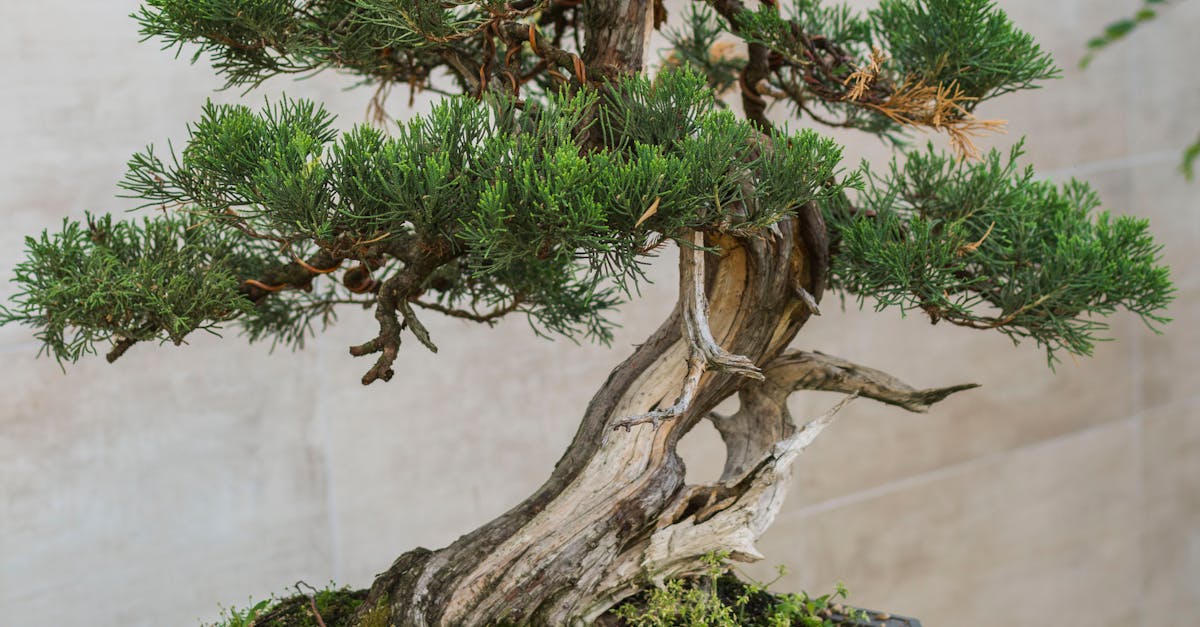
One of the highlights of Taikan Ten 2019 was a majestic pine bonsai, its gnarled trunk and windswept branches evoking the rugged beauty of an ancient mountain forest. Another captivating piece was a delicate literati-style bonsai, its sparse foliage and elongated trunk creating an ethereal and poetic atmosphere. The exhibition also featured a number of stunning cascade bonsai, their branches gracefully cascading over the edge of the pot, resembling a miniature waterfall.
The exceptional craftsmanship on display at Taikan Ten 2019 was evident in every detail, from the intricate carving of the trunks to the meticulous placement of each leaf. These bonsai masterpieces were not merely plants; they were living works of art, embodying the harmonious fusion of nature and creativity.
Traditional Upright Bonsai
Traditional upright bonsai, known as chokkan in Japanese, represent the quintessential form of bonsai and are highly prized for their elegance and balance. These bonsai are characterized by their straight, vertical trunks and evenly spaced branches that radiate outwards, creating a harmonious and symmetrical composition.
The cultivation of traditional upright bonsai requires great skill and patience, as the artist must carefully train the tree to grow in the desired shape and form. This involves meticulous pruning, wiring, and shaping techniques, applied over many years to achieve the desired effect. The resulting bonsai is a living sculpture, a miniature representation of a majestic tree in nature.
When displayed in a shallow pot or container, traditional upright bonsai create a striking and visually appealing arrangement. The harmony between the tree and its container is of utmost importance, and the artist carefully considers the size, shape, and color of the pot to complement the bonsai and enhance its overall aesthetic appeal.
Cascading Bonsai with Dynamic Flow
Cascading bonsai, known as kengai in Japanese, are a captivating and dynamic form of bonsai that emulate the姿態of trees growing on steep cliffs or cascading down waterfalls in nature. These bonsai are characterized by their sinuous trunks and branches that gracefully flow downwards, creating a sense of movement and natural beauty.
The cultivation of cascading bonsai requires a deep understanding of tree growth patterns and skillful application of pruning and wiring techniques. The artist carefully shapes and positions the trunk and branches to mimic the natural form of a cascading tree, often using weights or other devices to encourage the desired downward growth.
When displayed in a shallow pot or container, cascading bonsai create a striking and visually engaging arrangement. The dynamic flow of the branches and the contrast between the upward growth of the trunk and the downward cascade of the branches create a sense of tension and movement that captivates the viewer.
Literati Bonsai: Poetic Expressions in Miniature
Literati bonsai, known as bunjin in Japanese, are a unique and sophisticated form of bonsai that originated in China during the Ming Dynasty. These bonsai are characterized by their sparse and asymmetrical compositions, which often incorporate scholar’s rocks and other natural elements to create a miniature landscape that evokes the essence of Chinese literati culture.
The cultivation of literati bonsai requires a deep understanding of Chinese aesthetics and philosophy. The artist carefully selects and positions each element of the composition to create a harmonious and evocative scene. The resulting bonsai is not merely a representation of a tree, but a poetic expression that invites contemplation and reflection.
When displayed in a shallow pot or container, literati bonsai create a serene and contemplative atmosphere. The simplicity of the composition and the use of natural materials create a sense of tranquility that encourages the viewer to slow down and appreciate the beauty of the moment.
4. The Legacy of Taikan Ten
Taikan Ten has established a enduring legacy as the most prestigious bonsai exhibition in the world, showcasing the pinnacle of bonsai artistry and influencing the development of bonsai as an art form. Through its rigorous selection process and the recognition it bestows upon the selected bonsai masters, Taikan Ten has played a pivotal role in shaping the standards of bonsai cultivation and appreciation.
The exhibition has also served as a catalyst for innovation and creativity within the bonsai community, inspiring bonsai artists to push the boundaries of their art and explore new possibilities. The diverse range of styles and techniques on display at Taikan Ten has fostered a spirit of experimentation and encouraged bonsai artists to break away from traditional conventions.
Furthermore, Taikan Ten has played a significant role in preserving Japanese cultural heritage by showcasing the unique beauty and artistry of bonsai. The exhibition has helped to raise awareness of bonsai as an important aspect of Japanese culture and has contributed to its continued popularity both in Japan and around the world.
Inspiring Future Generations of Bonsai Masters
Taikan Ten plays a pivotal role in inspiring and nurturing future generations of bonsai masters, ensuring the continuation and传承of this ancient art form. Through its展示of exceptional bonsai specimens and the recognition it bestows upon talented artists, Taikan Ten sets a high standard for bonsai cultivation and inspires aspiring artists to strive for excellence.
The exhibition provides a unique platform for young bonsai enthusiasts to learn from and interact with some of the world’s most renowned bonsai masters. The opportunity to observe the masters’ techniques and creative processes firsthand is invaluable for their own artistic development. Additionally, Taikan Ten offers educational workshops and demonstrations, providing aspiring artists with hands-on experience and guidance.
By showcasing the diverse range of styles and techniques employed by bonsai masters, Taikan Ten broadens the horizons of young artists and encourages them to explore their own creative paths. The exhibition fosters a spirit of innovation and experimentation within the bonsai community, ensuring the continued evolution and vitality of this ancient art form.
Preserving the Art of Bonsai
Taikan Ten plays a vital role in the preservation of the art of bonsai, ensuring its survival and continued appreciation for generations to come. By showcasing the highest standards of bonsai cultivation, the exhibition inspires and educates a global audience about the unique beauty and artistry of this ancient art form.
Taikan Ten provides a platform for bonsai masters to share their knowledge and techniques, fostering a sense of community and collaboration within the bonsai world. The exhibition also attracts a diverse audience, including collectors, enthusiasts, and the general public, raising awareness of bonsai and its cultural significance.
Through its rigorous selection process and recognition of exceptional bonsai specimens, Taikan Ten sets a benchmark for excellence and helps to maintain the integrity and authenticity of the art form. The exhibition encourages bonsai artists to adhere to traditional techniques and principles while also embracing innovation and creativity, ensuring the continued evolution and vitality of bonsai.
5. Experiencing Taikan Ten 2019
Taikan Ten 2019, one of the most prestigious bonsai exhibitions in the world, will be held from [Start Date] to [End Date] at the [Location] in Tokyo, Japan. The exhibition will showcase a stunning array of bonsai masterpieces, including traditional upright bonsai, cascading bonsai, and literati bonsai, created by some of the world’s leading bonsai masters.
To make the most of your visit to Taikan Ten 2019, consider the following tips:
Plan your visit in advance by checking the exhibition website for opening hours and admission fees.
Arrive early to avoid crowds and have ample time to view the bonsai at your own pace.
Take your time and仔细观察each bonsai, appreciating the intricate details and artistry that went into its creation.
Attend any workshops or demonstrations that may be offered during the exhibition to learn more about the art of bonsai from experienced masters.
Dates and Location of Taikan Ten 2019
Taikan Ten 2019, the prestigious bonsai exhibition, will be held from October 31st to November 3rd, 2019, at the Tokyo Metropolitan Art Space in Ueno Park, Tokyo, Japan. The exhibition will showcase a stunning array of bonsai masterpieces, including traditional upright bonsai, cascading bonsai, and literati bonsai, created by some of the world’s leading bonsai masters.
To ensure the most up-to-date and accurate information, it is recommended to check the official website of Taikan Ten or contact the organizers directly for any changes or updates.
Tips for Attending Taikan Ten
To enhance your experience at Taikan Ten, consider the following tips:
Dress comfortably and appropriately for the occasion. Taikan Ten is a prestigious event, so it is recommended to dress respectfully. Avoid wearing shorts, sandals, or other casual attire.
Photography is generally allowed at Taikan Ten, but please be respectful of the bonsai and other visitors. Avoid using flash photography, as it can damage the delicate plants.
Take your time toじっくりとobserve each bonsai. Don’t just rush through the exhibition. Take the time to appreciate the intricate details and artistry that went into each creation.
Consider attending a guided tour or workshop. This can provide you with valuable insights into the art of bonsai and the specific techniques used by the featured artists.
If you are interested in purchasing a bonsai, be sure to inquire with the artist or gallery about availability and pricing.
Q: What is the history and origin of bonsai?
A: Bonsai, an ancient Japanese art form, originated in China over a thousand years ago. It draws inspiration from the Chinese practice of tray landscapes, known as penjing, where miniature landscapes were created using rocks, soil, and plants. Over time, bonsai evolved into a distinct art form in Japan, influenced by Zen Buddhism and the Japanese aesthetic principles of simplicity, balance, and harmony.
Q: What are the different styles of bonsai?
A: There are numerous styles of bonsai, each with its own unique characteristics. Some of the most common styles include: – Upright bonsai (Chokkan): Characterized by a straight trunk and evenly spaced branches that radiate outwards, creating a sense of symmetry and balance. – Cascade bonsai (Kengai): Mimics the appearance of trees growing on steep cliffs or cascading down waterfalls, with branches that flow downwards in a graceful and dynamic manner. – Literati bonsai (Bunjin): Embodies the essence of Chinese literati culture, featuring sparse compositions and the use of scholar’s rocks to create miniature landscapes that evoke a sense of contemplation and refinement.
Q: How are bonsai trees cultivated and maintained?
A: Cultivating and maintaining bonsai trees requires skill, patience, and a deep understanding of plant growth. It involves regular pruning, wiring, and root management techniques to shape and control the tree’s growth. Bonsai artists carefully select and train trees with desirable characteristics, considering factors such as trunk shape, branching structure, and leaf size. Root pruning is also essential to maintain a compact root system and prevent the tree from becoming too large for its container.
Q: What is the significance of Taikan Ten?
A: Taikan Ten is the most prestigious bonsai exhibition in Japan, showcasing the pinnacle of bonsai artistry. It plays a vital role in promoting bonsai as an art form, recognizing exceptional bonsai specimens, and inspiring aspiring artists to strive for excellence. The exhibition attracts a global audience of bonsai enthusiasts, collectors, and art lovers, providing a platform for cultural exchange and appreciation.
Q: How can I attend Taikan Ten?
A: To attend Taikan Ten, you can check the official website or contact the organizers for information on dates, location, and ticket availability. It is recommended to plan your visit in advance and arrive early to avoid crowds and have ample time to view the bonsai at your own pace. Consider attending guided tours or workshops to enhance your understanding and appreciation of the art of bonsai.
The Art of Bonsai Repotting: Nurturing Growth, Preserving Beauty Bonsai, the ancient art of cultivating miniature trees, requires meticulous care Read more
The Art of Nourishing Miniature Masterpieces: A Comprehensive Guide to Bonsai Fertilization Fertilizing Bonsai: A Guide to Miniature Tree Maintenance Read more
The Essential Guide to Bonsai Watering: Unlocking the Secrets of Miniature Tree Care Understanding the Art of Bonsai Watering: A Read more
A note to our visitors
This website has updated its privacy policy in compliance with changes to European Union data protection law, for all members globally. We’ve also updated our Privacy Policy to give you more information about your rights and responsibilities with respect to your privacy and personal information. Please read this to review the updates about which cookies we use and what information we collect on our site. By continuing to use this site, you are agreeing to our updated privacy policy.
Bonsai Trees and Supplies Direct From the Grower !