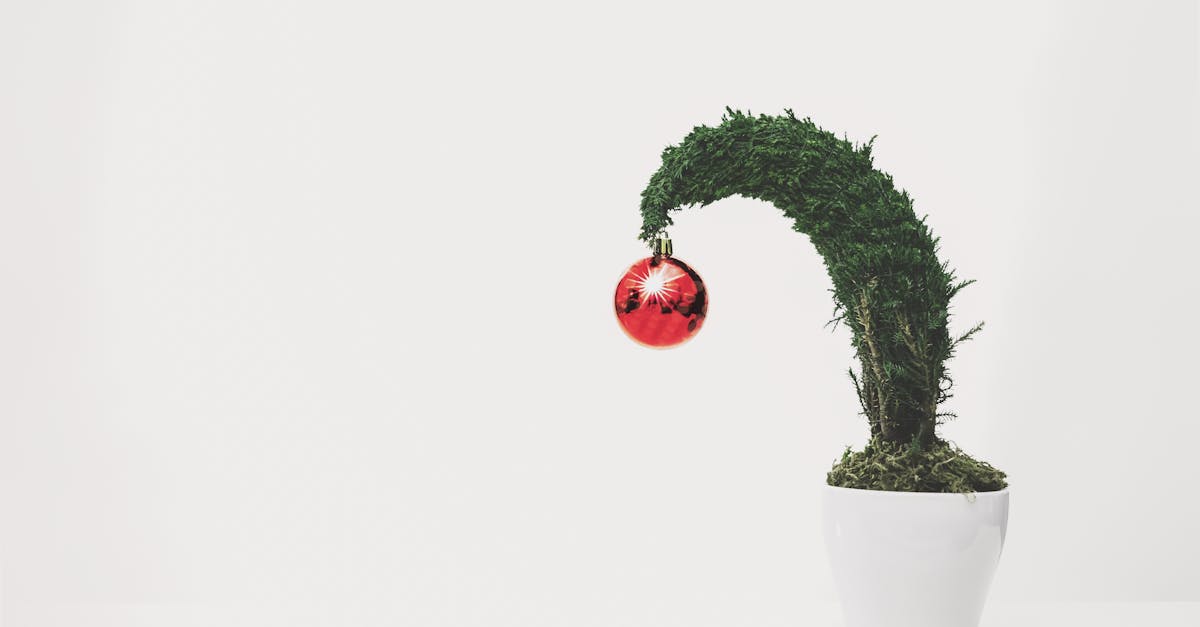
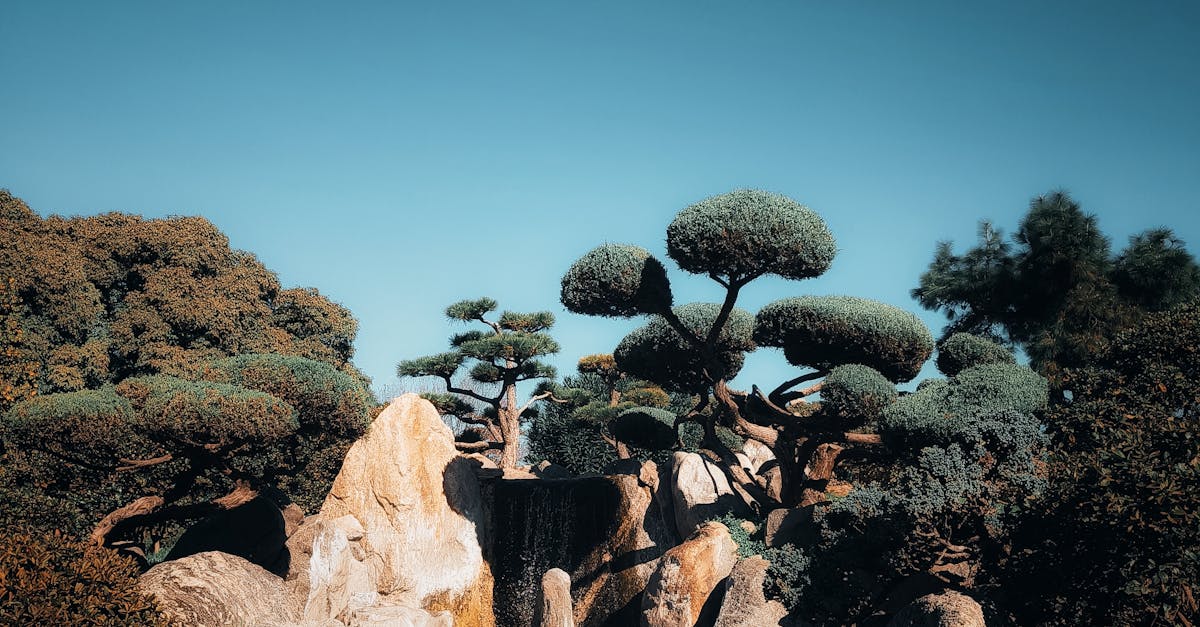
Bonsai: A Symbol of Nature’s Harmony and Feng Shui’s Guiding Light
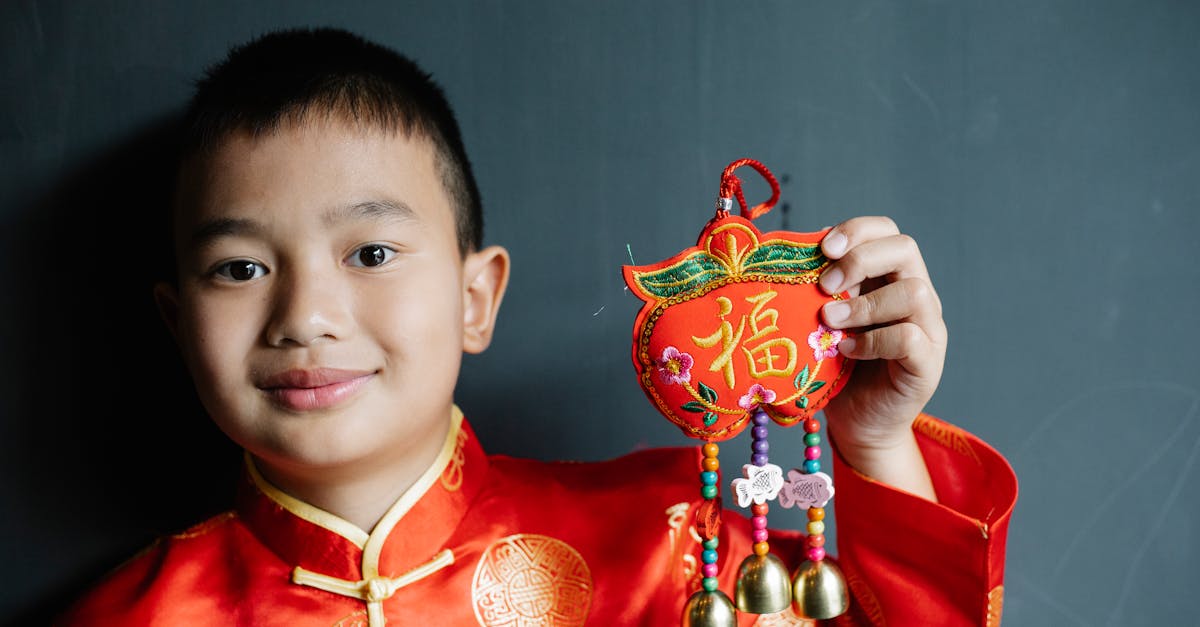
The Ancient Art of Feng Shui: Unlocking Good Fortune with Bonsai Placement
Delve into the ancient practice of Feng Shui and discover how the strategic placement of bonsai can attract good fortune and enhance harmony in your living space. Bonsai, with their intricate shapes and natural beauty, play a significant role in this practice, symbolizing nature and evoking a sense of tranquility and balance.
In this comprehensive guide, we will explore the origins of Feng Shui and the significance of the five elements. We will uncover the principles of bonsai placement for attracting good luck, considering the direction, element, and shape of these miniature trees. By understanding the interplay between yin and yang, you will learn how to create a harmonious flow of energy in your home or workspace, using bonsai as a powerful tool for enhancing well-being and prosperity.
1. The Origins of Feng Shui and the Role of Bonsai
The Origins of Feng Shui and the Role of Bonsai
Feng Shui is an ancient Chinese philosophy that focuses on balancing the flow of energy (qi) in a space to create harmony and well-being. It originated in China over 3,000 years ago and has been used to design everything from homes and offices to gardens and cities.
Bonsai, the art of cultivating miniature trees in containers, plays a significant role in Feng Shui. Bonsai are believed to bring nature’s energy into the home, creating a sense of peace and tranquility. They are also said to symbolize longevity, prosperity, and good fortune.
When choosing a bonsai for Feng Shui purposes, it is important to consider the tree’s shape, size, and species. The shape of the tree should complement the energy of the space where it will be placed. For example, a rounded tree is said to promote harmony and balance, while a more angular tree is said to stimulate creativity and productivity.
The Five Elements in Feng Shui
The Five Elements in Feng Shui
In Feng Shui, the five elements—wood, fire, earth, metal, and water—play a significant role in creating harmony and balance. Each element is associated with specific directions, colors, and shapes, and can be used to enhance the flow of qi in a space.
Wood is associated with the east and southeast directions, the color green, and the shape of a rectangle. It represents growth, new beginnings, and vitality.
Fire is associated with the south direction, the color red, and the shape of a triangle. It represents passion, energy, and transformation.
Earth is associated with the center, northeast, and southwest directions, the color yellow, and the shape of a square. It represents stability, grounding, and support.
Metal is associated with the west and northwest directions, the color white, and the shape of a circle. It represents clarity, precision, and communication.
Water is associated with the north direction, the color blue, and the shape of a wave. It represents flow, adaptability, and wisdom.
Bonsai as a Symbol of Nature and Harmony
Bonsai as a Symbol of Nature and Harmony
Bonsai, the Japanese art of cultivating miniature trees in containers, is a unique and beautiful way to bring the beauty of nature indoors. Bonsai are not simply decorative objects; they are living works of art that require careful attention and care. The practice of bonsai is said to promote patience, mindfulness, and a deep appreciation for the natural world.
Bonsai are often used in Feng Shui to enhance the flow of qi in a space. Their small size and delicate beauty make them ideal for placing in even the smallest of spaces. Bonsai can be used to represent different elements of nature, such as mountains, forests, and rivers. They can also be used to symbolize different aspects of life, such as growth, prosperity, and longevity.
The ability of bonsai to evoke tranquility and balance makes them ideal for enhancing Feng Shui. The presence of a bonsai in a space can help to create a sense of peace and harmony. Bonsai can also be used to improve concentration and focus, making them ideal for use in offices and study areas.
2. Placement Principles for Attracting Good Luck
Placement Principles for Attracting Good Luck
When placing bonsai in your home or workspace to attract good luck, there are a few key principles to keep in mind. First, consider the direction in which the bonsai will be placed. Each direction is associated with a different element and type of luck. For example, the east direction is associated with the wood element and is said to bring good luck in terms of health and family. The southeast direction is associated with the fire element and is said to bring good luck in terms of wealth and prosperity.
Second, consider the element of the bonsai. Each type of bonsai is associated with a different element. For example, a bonsai with round leaves is associated with the water element, while a bonsai with sharp leaves is associated with the metal element. Choose a bonsai with an element that corresponds to the type of luck you wish to attract.
Finally, consider the shape of the bonsai. The shape of the bonsai can also affect the type of luck it brings. For example, a bonsai with an upright shape is said to bring good luck in terms of career and success, while a bonsai with a cascading shape is said to bring good luck in terms of relationships and love.
The Southeast Corner for Wealth and Abundance
The Southeast Corner for Wealth and Abundance
In Feng Shui, the southeast corner of a space is associated with the wood element and is said to be the most auspicious direction for attracting wealth and abundance. This is because the wood element is associated with growth, new beginnings, and prosperity. Placing a bonsai in the southeast corner of your home or workspace can help to activate this area and attract positive energy that can lead to financial success.
When choosing a bonsai for the southeast corner, it is important to select a tree with healthy, green leaves. The leaves should be round or oval in shape, as this is said to symbolize the flow of money. You should also choose a bonsai that is in a pot that is made of a natural material, such as wood or ceramic. This will help to enhance the wood element and increase the flow of positive energy.
Once you have chosen a bonsai for the southeast corner, place it in a spot where it will receive plenty of natural light. You should also make sure that the bonsai is not blocked by any obstacles, such as furniture or plants. This will allow the energy to flow freely around the bonsai and attract wealth and abundance.
The East Corner for Health and Vitality
The East Corner for Health and Vitality
In Feng Shui, the east corner of a space is associated with the wood element and is said to be the most auspicious direction for attracting health and vitality. This is because the wood element is associated with growth, new beginnings, and life force. Placing a bonsai with wood elements in the east corner of your home or workspace can help to activate this area and attract positive energy that can lead to improved health and well-being.
When choosing a bonsai for the east corner, it is important to select a tree with healthy, green leaves. The leaves should be round or oval in shape, as this is said to symbolize good health. You should also choose a bonsai that is in a pot that is made of a natural material, such as wood or ceramic. This will help to enhance the wood element and increase the flow of positive energy.
Once you have chosen a bonsai for the east corner, place it in a spot where it will receive plenty of natural light. You should also make sure that the bonsai is not blocked by any obstacles, such as furniture or plants. This will allow the energy to flow freely around the bonsai and attract health and vitality.
3. Balancing Yin and Yang with Bonsai
Balancing Yin and Yang with Bonsai
In Feng Shui, yin and yang represent two opposing forces that are complementary and interconnected. Yin is associated with darkness, cold, and passivity, while yang is associated with light, warmth, and activity. The goal of Feng Shui is to create a harmonious balance between yin and yang in a space. Bonsai can be used to achieve this balance by incorporating both yin and yang elements into their design.
For example, a bonsai with a round, soft shape and lush, green leaves represents yin energy. A bonsai with a more angular shape and sharp, pointed leaves represents yang energy. By combining these two types of bonsai in a space, you can create a harmonious balance of yin and yang. You can also use the placement of bonsai to create a balance of yin and yang. For example, placing a yin bonsai in a yang area of a space can help to calm and relax the energy in that area. Conversely, placing a yang bonsai in a yin area of a space can help to energize and activate the energy in that area.
Choosing Bonsai with Rounded or Angular Shapes
Choosing Bonsai with Rounded or Angular Shapes
In Feng Shui, rounded shapes are associated with yin energy, which is soft and passive, while angular shapes are associated with yang energy, which is hard and active. When choosing a bonsai for your home or workspace, it is important to consider the desired energy balance. If you want to create a calming and relaxing space, choose a bonsai with a rounded shape. If you want to create a more energizing and active space, choose a bonsai with an angular shape.
Here are some examples of bonsai with rounded shapes:
- Ficus microcarpa: This bonsai has small, round leaves and a compact, rounded shape. It is a popular choice for beginners because it is easy to care for.
- Carmona microphylla: This bonsai has small, glossy leaves and a rounded shape. It is known for its ability to bloom with small, white flowers.
- Portulacaria afra: This bonsai has small, succulent leaves and a rounded shape. It is a popular choice for bonsai because it is very hardy and can tolerate a wide range of conditions.
Here are some examples of bonsai with angular shapes:
- Pinus thunbergii: This bonsai has long, needle-like leaves and a triangular shape. It is a popular choice for bonsai because it is very hardy and can tolerate a wide range of conditions.
- Juniperus procumbens: This bonsai has small, scale-like leaves and a jagged, angular shape. It is a popular choice for bonsai because it is very easy to train and shape.
- Acer palmatum: This bonsai has large, palmate leaves and a graceful, angular shape. It is a popular choice for bonsai because of its beautiful fall foliage.
Positioning Bonsai for Optimal Energy Flow
Positioning Bonsai for Optimal Energy Flow
In Feng Shui, it is important to place bonsai in areas where energy can flow freely. This means avoiding blocking doorways or creating obstacles that hinder the movement of qi. The best places to place bonsai are in open areas where there is plenty of natural light and air circulation. You can also place bonsai on a table or shelf, but make sure that they are not too high or too low. The ideal height for bonsai is between eye level and shoulder height.
When placing bonsai, it is also important to consider the direction in which the tree is facing. The best direction for bonsai is east, which is associated with new beginnings and growth. However, you can also place bonsai in other directions, depending on the desired energy balance. For example, placing a bonsai in the south direction can help to attract fame and recognition, while placing a bonsai in the west direction can help to improve relationships.
Here are some tips for positioning bonsai for optimal energy flow:
- Avoid placing bonsai in dark or cramped spaces.
- Avoid placing bonsai in front of doorways or windows.
- Avoid placing bonsai too close to other objects, such as furniture or plants.
- Place bonsai in areas where there is plenty of natural light and air circulation.
4. Additional Tips for Enhancing Luck with Bonsai
Additional Tips for Enhancing Luck with Bonsai
In addition to the placement principles discussed above, there are a few other tips you can follow to enhance your luck with bonsai. Here are a few ideas:
- Choose the right species of bonsai. Different species of bonsai have different meanings and symbolism. For example, the pine tree is associated with longevity and good fortune, while the bamboo plant is associated with wealth and prosperity. Choose a species of bonsai that has a meaning that is in line with your goals and aspirations.
- Take good care of your bonsai. A healthy and well-cared for bonsai will bring more positive energy into your home or workspace. Make sure to water your bonsai regularly, fertilize it monthly, and prune it as needed. You should also protect your bonsai from pests and diseases.
- Display your bonsai in a prominent location. Place your bonsai in a place where it will be seen and appreciated. This will help to attract positive energy into your home or workspace.
- Use feng shui principles to enhance the energy of your bonsai. You can use feng shui principles to further enhance the energy of your bonsai. For example, you can place your bonsai in a wealth corner, or you can use a water feature to create a more dynamic energy flow around your bonsai.
Selecting the Right Bonsai Species
Selecting the Right Bonsai Species
When choosing a bonsai species, it is important to consider the symbolic meaning of the tree. Different species of bonsai have different meanings and associations, so it is important to choose a tree that is in line with your goals and aspirations. Here are a few examples of popular bonsai species and their symbolic meanings:
- Pine tree: The pine tree is a symbol of longevity, strength, and resilience. It is a popular choice for bonsai because it is a hardy tree that can withstand a variety of conditions.
- Bamboo plant: The bamboo plant is a symbol of wealth, prosperity, and good fortune. It is a popular choice for bonsai because it is a fast-growing tree that can easily be shaped and trained.
- Japanese maple: The Japanese maple is a symbol of beauty, peace, and tranquility. It is a popular choice for bonsai because of its beautiful foliage and delicate branches.
- Juniper tree: The juniper tree is a symbol of strength, protection, and purification. It is a popular choice for bonsai because it is a hardy tree that can withstand a variety of conditions.
- Ficus tree: The ficus tree is a symbol of prosperity, abundance, and good luck. It is a popular choice for bonsai because it is a fast-growing tree that can easily be shaped and trained.
Once you have considered the symbolic meaning of the tree, you can then choose a species that is best suited to your lifestyle and needs. For example, if you are a beginner, you may want to choose a species that is easy to care for, such as the ficus tree. If you are more experienced, you may want to choose a species that is more challenging to care for, such as the Japanese maple.
Caring for Bonsai for Optimal Growth
Caring for Bonsai for Optimal Growth
Proper bonsai care is essential to ensure the health and vitality of your tree. Here are a few tips on watering, fertilizing, and pruning your bonsai:
- Watering: Bonsai trees need to be watered regularly, but not too often. The best way to water your bonsai is to check the soil moisture level. If the soil is dry to the touch, it is time to water your tree. Water your bonsai slowly and deeply, until the water drains out of the bottom of the pot.
- Fertilizing: Bonsai trees need to be fertilized regularly to provide them with the nutrients they need to grow and thrive. The best way to fertilize your bonsai is to use a balanced fertilizer that is specifically designed for bonsai trees. Fertilize your bonsai according to the manufacturer’s instructions.
- Pruning: Pruning is an important part of bonsai care. Pruning helps to shape and train your tree, and it also helps to promote new growth. There are many different pruning techniques that you can use on your bonsai tree. The best way to learn how to prune your bonsai is to consult with a bonsai expert.
By following these tips, you can help to ensure that your bonsai tree stays healthy and vigorous for many years to come.
5. Conclusion: The Transformative Power of Bonsai in Feng Shui
Conclusion: The Transformative Power of Bonsai in Feng Shui
Bonsai, the ancient art of cultivating miniature trees in containers, is a powerful tool that can be used to attract good luck and enhance harmony in your home or workspace. By following the principles of Feng Shui, you can use bonsai to create a space that is balanced, harmonious, and充滿生機。
When choosing a bonsai for your home or workspace, it is important to consider the direction in which the tree will be placed, the element of the tree, and the shape of the tree. Each of these factors has a specific meaning in Feng Shui, and by choosing a tree that is in harmony with the desired energy flow, you can create a space that is conducive to your goals and aspirations.
In addition to choosing the right bonsai, it is also important to care for your tree properly. Bonsai trees require regular watering, fertilizing, and pruning. By following these simple care tips, you can help to ensure that your bonsai tree stays healthy and vigorous for many years to come.
If you are looking for a way to attract good luck and enhance harmony in your life, consider embracing the ancient art of Feng Shui and incorporating bonsai into your home or workspace. With a little care and attention, bonsai can transform your space into a haven of peace, tranquility, and prosperity.
The Harmony Between Nature and Human Intention
The Harmony Between Nature and Human Intention
Feng Shui is an ancient Chinese philosophy that focuses on the harmonious relationship between humans and their environment. One of the key principles of Feng Shui is that the placement of objects in a space can affect the flow of energy, or qi. This means that the way you arrange your furniture, plants, and other objects can have a significant impact on your well-being and prosperity.
Bonsai, the ancient art of cultivating miniature trees in containers, is a powerful tool that can be used to enhance the energy flow in your home or workspace. When you place a bonsai in a specific location, you are not only affecting the physical space, but you are also expressing your intentions and aspirations. For example, placing a bonsai in the southeast corner of a room is said to attract wealth and abundance, while placing a bonsai in the east corner is said to promote health and vitality.
The placement of a bonsai is also a reflection of your personal style and taste. By choosing a bonsai that you find beautiful and inspiring, you are creating a space that is uniquely your own. The bonsai will become a focal point in your home or workspace, and it will serve as a constant reminder of your goals and dreams.
A Journey of Harmony and Well-being
A Journey of Harmony and Well-being
The practice of Feng Shui, and the mindful use of bonsai, can be a powerful tool for creating a space that supports personal growth, abundance, and fulfillment. By understanding the principles of Feng Shui and the symbolism of bonsai, you can create a space that is in harmony with your intentions and aspirations. This can lead to a more positive and fulfilling life.
The journey of harmony and well-being begins with a single step. By placing a bonsai in your home or workspace, you are taking a step towards creating a space that is more conducive to your happiness and success. As you learn more about Feng Shui and bonsai, you will be able to refine your practice and create a space that is truly unique and personal.
The potential of Feng Shui and bonsai is limitless. With a little effort and intention, you can create a space that supports your personal growth, abundance, and fulfillment. So what are you waiting for? Start your journey today and experience the transformative power of bonsai in your own life.
What are the different types of bonsai trees?
There are many different types of bonsai trees, each with its own unique characteristics. Some of the most popular types of bonsai trees include:
- Pine trees: Pine trees are a popular choice for bonsai because they are hardy and can withstand a variety of conditions. They are also known for their long needles and graceful branches.
- Japanese maples: Japanese maples are known for their beautiful foliage, which turns a brilliant red in the fall. They are a popular choice for bonsai because they are relatively easy to care for.
- Ficus trees: Ficus trees are a popular choice for beginners because they are fast-growing and easy to shape. They are also known for their large leaves and aerial roots.
- Juniper trees: Juniper trees are another popular choice for bonsai because they are hardy and can withstand a variety of conditions. They are also known for their small, scale-like leaves and gnarled branches.
How do I care for my bonsai tree?
Bonsai trees require regular care to stay healthy and thrive. Here are a few tips on how to care for your bonsai tree:
- Watering: Bonsai trees need to be watered regularly, but not too often. The best way to water your bonsai tree is to check the soil moisture level. If the soil is dry to the touch, it is time to water your tree. Water your bonsai tree slowly and deeply, until the water drains out of the bottom of the pot.
- Fertilizing: Bonsai trees need to be fertilized regularly to provide them with the nutrients they need to grow and thrive. The best way to fertilize your bonsai tree is to use a balanced fertilizer that is specifically designed for bonsai trees. Fertilize your bonsai tree according to the manufacturer’s instructions.
- Pruning: Pruning is an important part of bonsai care. Pruning helps to shape and train your tree, and it also helps to promote new growth. There are many different pruning techniques that you can use on your bonsai tree. The best way to learn how to prune your bonsai tree is to consult with a bonsai expert.
How can I use bonsai to improve my feng shui?
Bonsai trees can be used to improve your feng shui by attracting positive energy and enhancing the flow of qi. Here are a few tips on how to use bonsai to improve your feng shui:
- Choose the right bonsai tree: Different types of bonsai trees have different meanings and symbolism. When choosing a bonsai tree for your home or workspace, it is important to consider the desired energy flow. For example, if you want to attract wealth and abundance, you may want to choose a bonsai tree with round leaves and a compact shape.
- Place your bonsai tree in a prominent location: The placement of your bonsai tree is important. The best place to put your bonsai tree is in a location where it will be seen and appreciated. This will help to attract positive energy into your home or workspace.
- Take care of your bonsai tree: A healthy and well-cared for bonsai tree will bring more positive energy into your home or workspace. Make sure to water your bonsai tree regularly, fertilize it monthly, and prune it as needed.
The Art of Pairing Bonsai with Houseplants: A Guide to Harmony and Serenity The Harmony of Bonsai and Houseplants: Creating Read more
Transforming Interiors: The Art of Bonsai as Home Decor Bonsai trees, with their intricate branches and miniature landscapes, have captivated Read more
Bonsai: A Timeless Dance of Nature and Art in Interior Design Nestled amid the tranquil corners of homes and vibrant Read more
Facing the Sun: A Guide to Positioning Your Bonsai for Optimal Growth Bonsai trees are beautiful and delicate plants that Read more