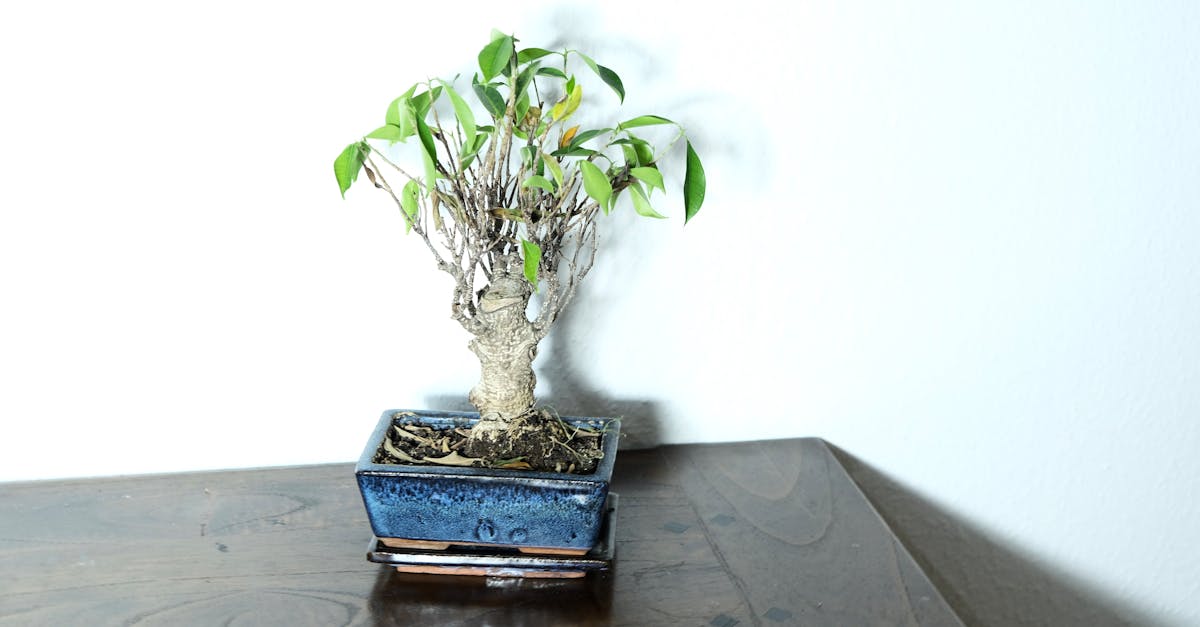
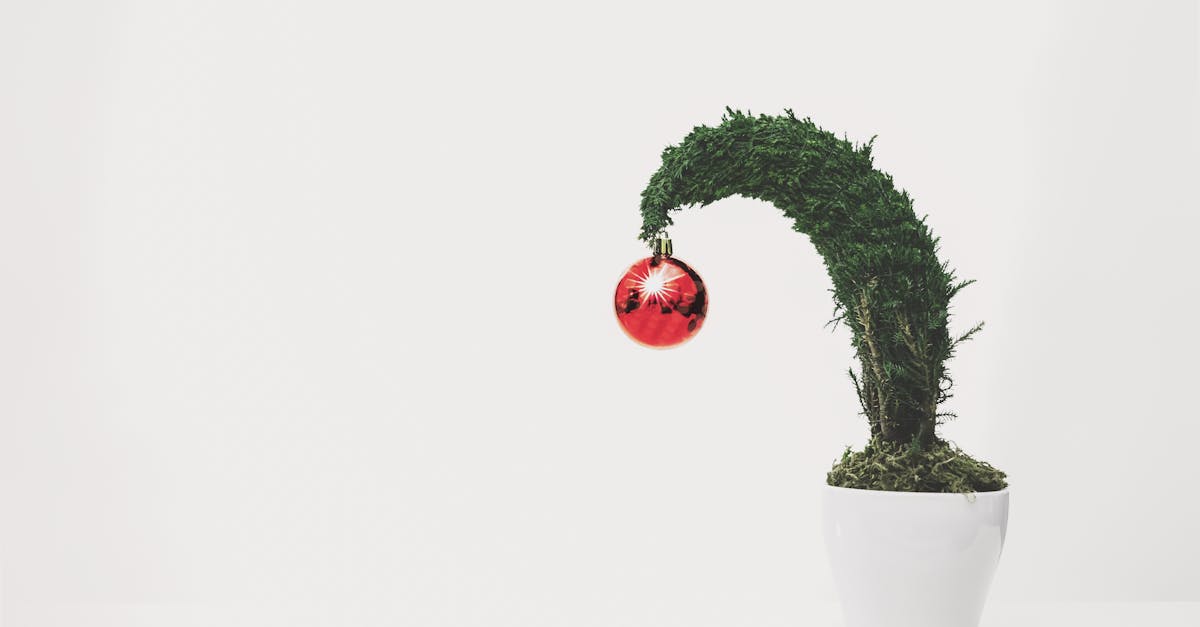
Optimizing Bonsai Display in Bedrooms: A Comprehensive Guide

The Artful Cultivation of Tranquility: Optimizing Bonsai Display in Bedrooms
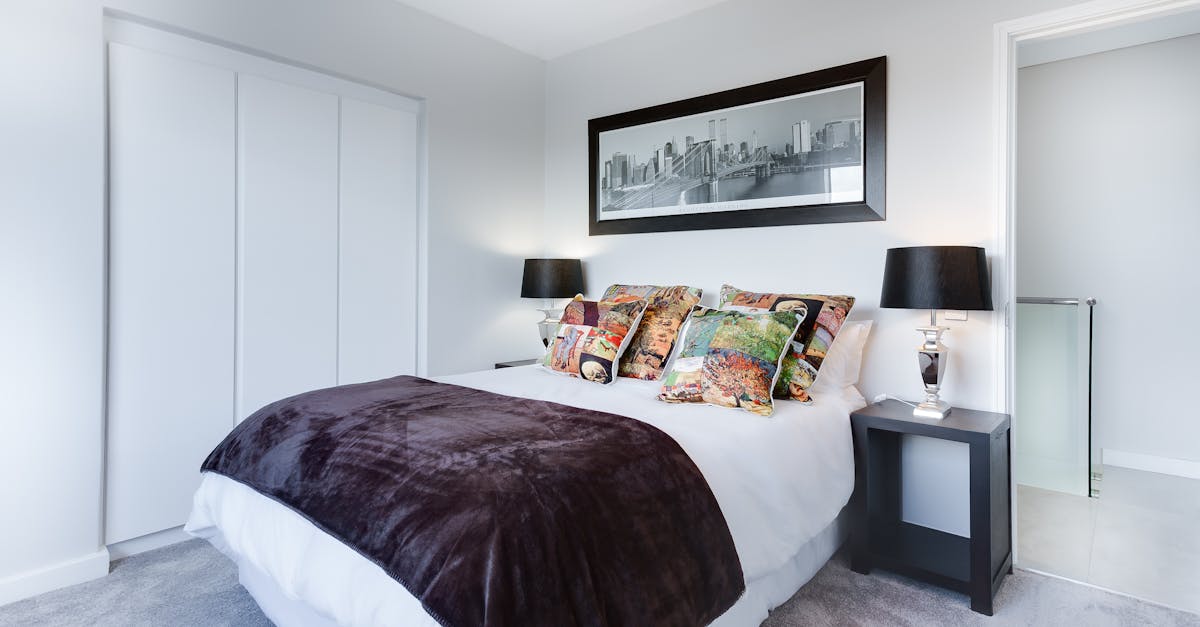
In today’s fast-paced world, creating a haven of tranquility in our bedrooms is more important than ever. By thoughtfully incorporating elements of nature, such as bonsai trees, we can cultivate a space that promotes relaxation, focus, and overall well-being.

Bonsai, with their miniature landscapes and aesthetic beauty, offer a unique way to connect with nature within the comfort of our bedrooms. Their presence has been shown to reduce stress, improve mood, and enhance creativity. As we explore the art of optimizing bonsai display in bedrooms, we will delve into the factors to consider when selecting the right species, determining optimal placement and lighting, and providing proper care to ensure their health and vitality.

Whether you are a seasoned bonsai enthusiast or a novice seeking to cultivate a serene retreat, this comprehensive guide will provide you with the knowledge and inspiration to create a harmonious and rejuvenating bedroom sanctuary.

1. The Importance of Bonsai in Bedrooms

The Importance of Bonsai in Bedrooms: Explore the therapeutic benefits and aesthetic appeal of incorporating bonsai into bedroom spaces, promoting relaxation, focus, and a connection to nature.

Bonsai, the ancient art of cultivating miniature trees in containers, has gained increasing popularity in recent years, not only for its aesthetic beauty but also for its therapeutic benefits. Incorporating bonsai into bedroom spaces offers a unique opportunity to create a serene and rejuvenating environment that promotes relaxation, focus, and a connection to nature.

Scientific studies have shown that interacting with nature, even in small ways such as viewing plants or caring for a bonsai, can significantly reduce stress levels, improve mood, and enhance cognitive function. The presence of bonsai in the bedroom can create a calming atmosphere, providing a sense of tranquility and peacefulness. The intricate shapes, textures, and colors of the bonsai can also stimulate creativity and inspire a sense of mindfulness.

Furthermore, bonsai require regular care and attention, which can provide a sense of purpose and routine. The act of watering, pruning, and shaping the bonsai can be meditative and grounding, promoting focus and concentration. By nurturing the bonsai, individuals can develop a deeper connection to nature and cultivate a sense of responsibility and accomplishment.

2. Choosing the Right Bonsai for the Bedroom
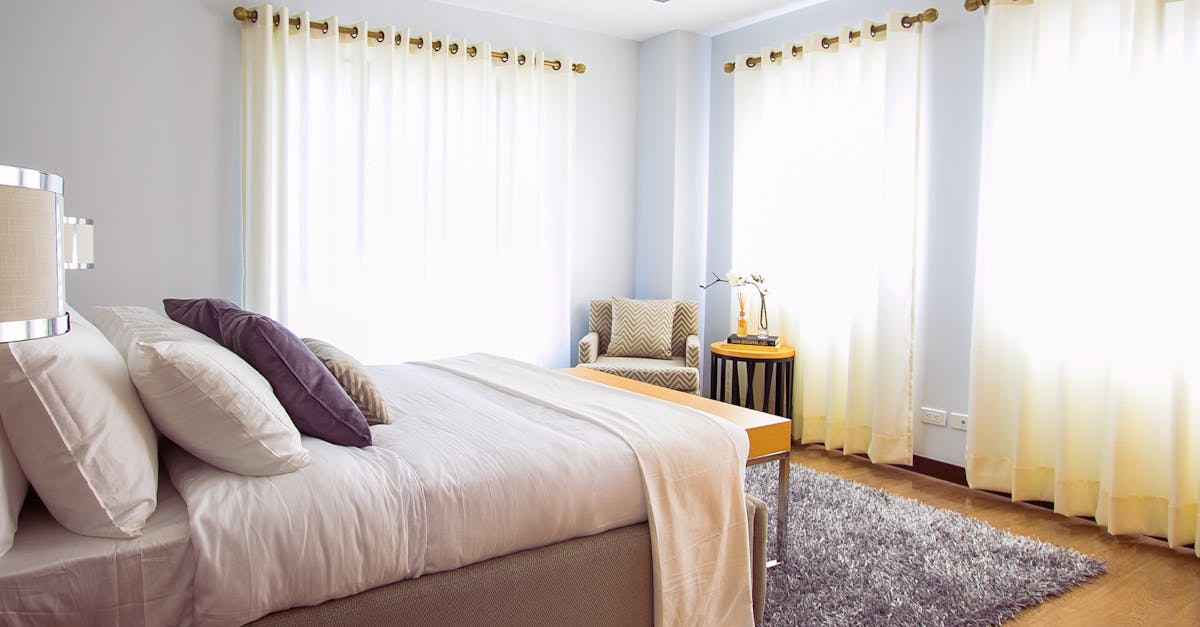
Choosing the Right Bonsai for the Bedroom: Factors to consider when selecting a suitable bonsai species and size for bedroom display, including light requirements, humidity levels, and personal preferences.

When selecting a bonsai for the bedroom, there are several factors to consider to ensure its health and suitability for the environment.

1. Light Requirements: Bonsai trees have varying light requirements depending on their species. Some, like the juniper and pine, can tolerate low light conditions, making them suitable for bedrooms with limited natural light. Others, like the ficus and bougainvillea, prefer brighter light and may require supplemental lighting if placed in a dimly lit room.

2. Humidity Levels: The humidity level in the bedroom is also an important consideration. Bonsai trees prefer higher humidity levels, which can be difficult to maintain in bedrooms, especially during the winter months. To increase humidity, you can use a humidifier, place the bonsai on a tray of pebbles filled with water, or group it with other plants.

3. Personal Preferences: Ultimately, the choice of bonsai species and size should also align with personal preferences. Consider the desired aesthetic, the available space in the bedroom, and the level of care you are willing to provide. Smaller bonsai, such as the Fukien tea tree or the Chinese elm, are well-suited for bedrooms with limited space. Larger bonsai, like the Japanese maple or the Scots pine, can make a statement piece and create a focal point in the room.

3. Optimal Placement and Lighting

Optimal Placement and Lighting: Guidelines for determining the ideal placement of bonsai in the bedroom, considering natural light sources, feng shui principles, and aesthetic harmony.

Once you have selected the right bonsai for your bedroom, it is important to determine its optimal placement to ensure its health and aesthetic appeal. Here are a few guidelines to consider:

1. Natural Light: Bonsai trees prefer bright, indirect light. If possible, place your bonsai near a window that receives plenty of natural light. Avoid placing it in direct sunlight, as this can scorch the leaves and damage the tree.

2. Feng Shui Principles: In feng shui, the ancient Chinese art of placement, plants are believed to have a positive energy force. According to feng shui principles, the best placement for a bonsai in the bedroom is in the east, southeast, or south directions. These directions are associated with growth, prosperity, and well-being.

3. Aesthetic Harmony: When placing your bonsai in the bedroom, consider the overall aesthetic harmony of the space. The bonsai should complement the existing décor and create a sense of balance and tranquility. Avoid placing the bonsai in cluttered areas or where it will obstruct movement.

4. Water and Care in the Bedroom
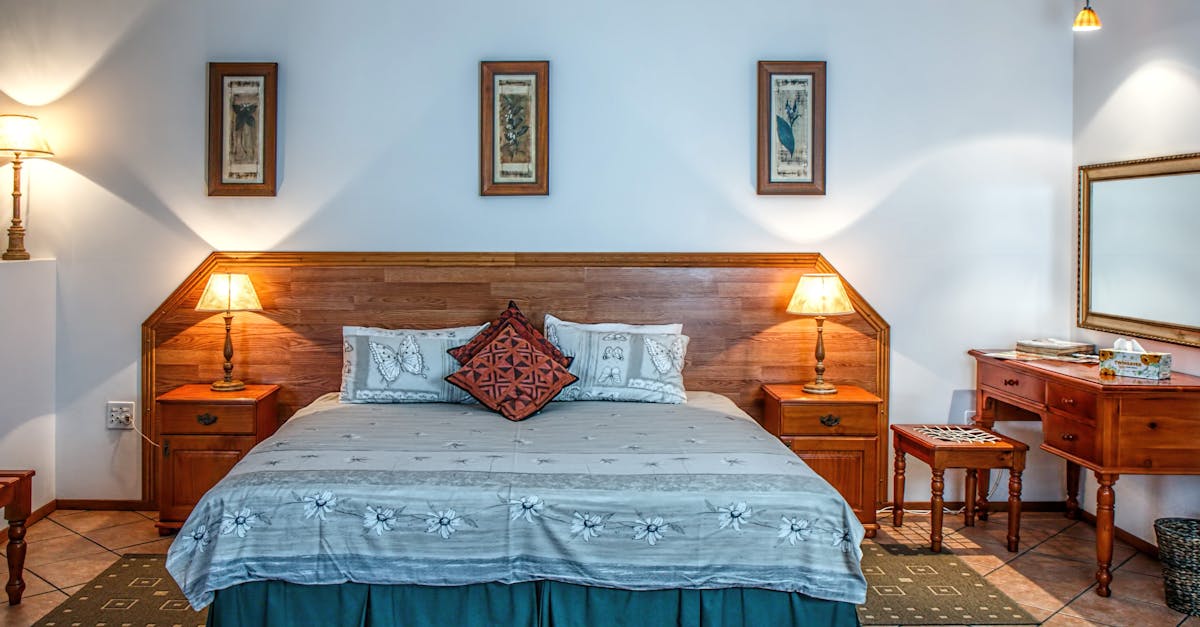
Water and Care in the Bedroom: Specific watering techniques and care instructions for bonsai in bedroom environments, including humidity maintenance, misting, and seasonal adjustments.

Caring for a bonsai in the bedroom requires specific watering techniques and care instructions to ensure its health and longevity. Here are a few guidelines to follow:

1. Watering: Bonsai trees generally prefer slightly moist but well-drained soil. Avoid overwatering, as this can lead to root rot. Allow the top inch or two of soil to dry out before watering again. Use room-temperature water and water deeply, allowing the water to drain out the bottom of the pot.

2. Humidity: Bonsai trees prefer higher humidity levels, which can be difficult to maintain in bedrooms, especially during the winter months. To increase humidity, you can use a humidifier, place the bonsai on a tray of pebbles filled with water, or group it with other plants. Misting the bonsai regularly can also help to increase humidity.

3. Seasonal Adjustments: Bonsai trees have different needs during different seasons. In the spring and summer months, they require more frequent watering and may need to be fertilized every few weeks. In the fall and winter months, they require less water and may not need to be fertilized at all.

5. Creating a Serene Environment

Creating a Serene Environment: Additional tips for enhancing the tranquility of the bedroom through complementary elements such as natural materials, soothing colors, and calming scents.

In addition to incorporating a bonsai tree, there are other elements you can add to your bedroom to create a more serene and relaxing environment. Here are a few suggestions:

1. Natural Materials: Incorporating natural materials into your bedroom décor can help to create a sense of tranquility and connection to nature. Choose furniture made from wood, bamboo, or other natural materials. Add plants, flowers, and other natural elements to your space.

2. Soothing Colors: The colors in your bedroom can have a significant impact on your mood and sleep. Choose soothing colors such as blues, greens, and lavenders. Avoid bright or harsh colors, which can be stimulating and make it difficult to relax.

3. Calming Scents: Certain scents have been shown to have calming and relaxing effects. Consider using essential oils such as lavender, chamomile, or bergamot in a diffuser or humidifier. You can also add scented candles or incense to your bedroom.

What are some other benefits of having a bonsai in the bedroom?

In addition to the therapeutic benefits and aesthetic appeal mentioned in the article, having a bonsai in the bedroom can also improve air quality by removing toxins and increasing oxygen levels. It can also help to reduce stress and anxiety, and promote better sleep.

What are some of the most popular bonsai species for bedrooms?

Some of the most popular bonsai species for bedrooms include the Fukien tea tree, Chinese elm, Japanese maple, and juniper. These species are relatively easy to care for and can tolerate the lower light conditions and humidity levels often found in bedrooms.

How often should I water my bonsai in the bedroom?

The frequency of watering will depend on the species of bonsai, the size of the pot, and the humidity levels in the bedroom. As a general rule, you should allow the top inch or two of soil to dry out before watering again. Use room-temperature water and water deeply, allowing the water to drain out the bottom of the pot.

What are some other things I can do to create a more serene environment in my bedroom?

In addition to incorporating a bonsai tree, there are other things you can do to create a more serene environment in your bedroom, such as using natural materials, choosing soothing colors, and adding calming scents. You can also try decluttering your space, creating a relaxing bedtime routine, and getting enough sleep.

Related Posts
How to Pair Bonsai with Other Houseplants for Harmony

The Art of Pairing Bonsai with Houseplants: A Guide to Harmony and Serenity The Harmony of Bonsai and Houseplants: Creating Read more

Bonsai Trees as Focal Points in Home Decor: A Comprehensive Guide

Transforming Interiors: The Art of Bonsai as Home Decor Bonsai trees, with their intricate branches and miniature landscapes, have captivated Read more

What Is the Historical Significance of Bonsai in Interior Design?

Bonsai: A Timeless Dance of Nature and Art in Interior Design Nestled amid the tranquil corners of homes and vibrant Read more

Does the Direction a Bonsai Faces Have Any Importance?

Facing the Sun: A Guide to Positioning Your Bonsai for Optimal Growth Bonsai trees are beautiful and delicate plants that Read more


The Benefits of Bonsai: Cultural Beliefs and Their Significance

The Ancient Allure of Bonsai: Cultural Significance and Modern Resonance

Immerse yourself in the captivating world of bonsai, an ancient art form that transcends cultural boundaries. From its profound spiritual significance to its therapeutic benefits and aesthetic allure, bonsai offers a multifaceted experience that enriches both mind and space. Delve into the rich history and symbolism of bonsai, discovering its origins as a symbol of balance, harmony, and enlightenment in ancient Asian cultures. Explore the therapeutic effects of bonsai, including its ability to reduce stress, enhance focus, and promote relaxation. Discover the aesthetic charm of bonsai as a living art form, adding beauty and tranquillity to any home environment.

1. Ancient Symbolism and Spiritual Significance

Bonsai, an ancient art form with roots in Asian cultures, has long been imbued with profound symbolism and spiritual significance. Originating in China over a thousand years ago, bonsai translates to ‘planted in a container’ and embodies the concept of cultivating miniaturized trees in controlled environments. This practice, deeply intertwined with Taoist and Buddhist philosophies, symbolizes balance, harmony, and enlightenment.

Bonsai enthusiasts strive to capture the essence of nature in miniature, creating living works of art that reflect the larger world. The careful selection and arrangement of each element—from the choice of tree species to the placement of rocks and soil—aims to evoke a sense of tranquility and serenity. Through the cultivation of bonsai, practitioners seek to cultivate inner peace, patience, and a deep appreciation for the beauty and fragility of life.

Bonsai has also been revered as a symbol of longevity and good fortune. In many Asian cultures, it is customary to gift bonsai trees as tokens of respect, admiration, and well wishes. The act of caring for a bonsai is seen as a metaphor for nurturing one’s own spiritual growth and well-being.

2. Therapeutic Benefits for Mind and Body

The practice of bonsai cultivation has also been found to have therapeutic benefits for both the mind and body. Studies have shown that interacting with bonsai trees can reduce stress levels, enhance focus, and promote relaxation.

One of the primary therapeutic effects of bonsai is its ability to reduce stress. Caring for a bonsai tree requires patience, mindfulness, and attention to detail, which can help to calm the mind and reduce feelings of anxiety. The act of pruning, shaping, and watering the tree can be meditative, promoting a sense of tranquility and inner peace.

In addition, bonsai has been shown to enhance focus and concentration. The intricate nature of bonsai cultivation requires practitioners to pay close attention to the tree’s needs and to make precise adjustments to its shape and environment. This process helps to train the mind to focus and to stay present in the moment.

3. Aesthetic Appeal and Home Decor

Beyond its therapeutic benefits, bonsai is also prized for its aesthetic appeal and ability to add beauty and tranquility to any home environment. Bonsai trees are living works of art, carefully cultivated to create miniature landscapes that evoke the essence of nature. The intricate shapes and textures of the trees, combined with the careful placement of rocks and other elements, create a visually stunning display that can bring a sense of peace and harmony to any space.

Bonsai trees can be used to complement a variety of home decor styles, from traditional to modern. Their small size makes them ideal for placement on desks, shelves, or windowsills, where they can add a touch of greenery and tranquility to any room. Bonsai trees can also be used to create focal points in larger spaces, such as living rooms or dining rooms, where they can serve as conversation starters and objects of admiration.

In addition to their aesthetic appeal, bonsai trees can also help to improve air quality in the home. Studies have shown that plants can remove harmful toxins from the air, and bonsai trees are particularly effective in this regard due to their large surface area. By adding a bonsai tree to your home, you can not only enjoy its beauty but also improve your indoor air quality.

4. Feng Shui Principles and Energy Flow

According to the principles of Feng Shui, the ancient Chinese art of placement, the placement and arrangement of objects in your home can influence the flow of energy, or qi. Bonsai trees are believed to be particularly auspicious objects in Feng Shui, as they represent the balance and harmony of nature.

When placing a bonsai tree in your home, it is important to consider the following principles:

1) Placement: Bonsai trees should be placed in areas of your home where you want to promote positive energy flow. For example, placing a bonsai tree in the living room can help to create a sense of peace and tranquility, while placing a bonsai tree in the office can help to promote creativity and focus.

2) Arrangement: The arrangement of the bonsai tree is also important. The tree should be placed in a way that allows it to receive plenty of natural light and air circulation. It is also important to avoid placing the bonsai tree too close to other objects, as this can block the flow of energy.

3) Species: The species of bonsai tree that you choose can also influence the energy flow in your home. For example, trees with upright growth patterns are believed to promote yang energy, while trees with cascading growth patterns are believed to promote yin energy. By choosing the right species of bonsai tree, you can create a harmonious balance of energy in your home.

5. Cultural Diversity and Unique Interpretations

Bonsai, the ancient art of cultivating miniature trees, has been practiced in various cultures around the world, each with its own unique interpretations and styles. While the Japanese tradition of bonsai is perhaps the most well-known, there are many other cultural variations of this art form, each with its own distinct characteristics and appeal.

In China, where bonsai originated, the art form is known as penjing and is characterized by its use of larger trees and more elaborate landscapes. Penjing trees are often grown in shallow pots or trays, and they are often decorated with rocks, figurines, and other elements to create a miniature world.

In Vietnam, bonsai is known as hòn non bộ and is often used to create miniature landscapes that represent the natural beauty of the country. Hòn non bộ trees are typically grown in small pots or trays, and they are often placed on stands or pedestals to create a sense of height and grandeur.

In the West, bonsai has become increasingly popular in recent years, and there are now many Western artists who are creating their own unique interpretations of the art form. Western bonsai trees are often grown in a variety of styles, including traditional Japanese styles as well as more modern and experimental styles.

What is the best way to care for a bonsai tree?

The best way to care for a bonsai tree depends on the species of tree and its individual needs. However, some general tips include:

  • Watering: Bonsai trees need to be watered regularly, but not too much. The soil should be kept moist but not soggy.
  • Fertilizing: Bonsai trees need to be fertilized regularly during the growing season. Use a balanced fertilizer and follow the instructions on the package.
  • Pruning: Bonsai trees need to be pruned regularly to maintain their shape and size. Pruning also helps to promote new growth.
  • Repotting: Bonsai trees need to be repotted every few years to refresh the soil and roots. Repotting also helps to prevent the tree from becoming rootbound.

What are the most common mistakes people make when caring for bonsai trees?

Some of the most common mistakes people make when caring for bonsai trees include:

  • Overwatering: Bonsai trees do not like to be overwatered. Overwatering can lead to root rot and other problems.
  • Underwatering: Bonsai trees also do not like to be underwatered. Underwatering can lead to wilting and other problems.
  • Fertilizing too much: Bonsai trees do not need to be fertilized too much. Overfertilizing can lead to nutrient burn and other problems.
  • Pruning too much: Bonsai trees do not need to be pruned too much. Overpruning can lead to weak growth and other problems.
  • Repotting too often: Bonsai trees do not need to be repotted too often. Repotting too often can damage the roots and other problems.

What are the different styles of bonsai trees?

There are many different styles of bonsai trees, each with its own unique characteristics. Some of the most popular styles include:

  • Upright: Upright bonsai trees have a single, straight trunk that grows vertically.
  • Slanting: Slanting bonsai trees have a trunk that leans to one side.
  • Cascade: Cascade bonsai trees have a trunk that flows down over the edge of the pot.
  • Semi-cascade: Semi-cascade bonsai trees have a trunk that flows down over the edge of the pot, but then curves back up.
  • Windswept: Windswept bonsai trees have a trunk that looks like it has been blown by the wind.
Related Posts
How to Pair Bonsai with Other Houseplants for Harmony

The Art of Pairing Bonsai with Houseplants: A Guide to Harmony and Serenity The Harmony of Bonsai and Houseplants: Creating Read more

Bonsai Trees as Focal Points in Home Decor: A Comprehensive Guide

Transforming Interiors: The Art of Bonsai as Home Decor Bonsai trees, with their intricate branches and miniature landscapes, have captivated Read more

What Is the Historical Significance of Bonsai in Interior Design?

Bonsai: A Timeless Dance of Nature and Art in Interior Design Nestled amid the tranquil corners of homes and vibrant Read more

Does the Direction a Bonsai Faces Have Any Importance?

Facing the Sun: A Guide to Positioning Your Bonsai for Optimal Growth Bonsai trees are beautiful and delicate plants that Read more
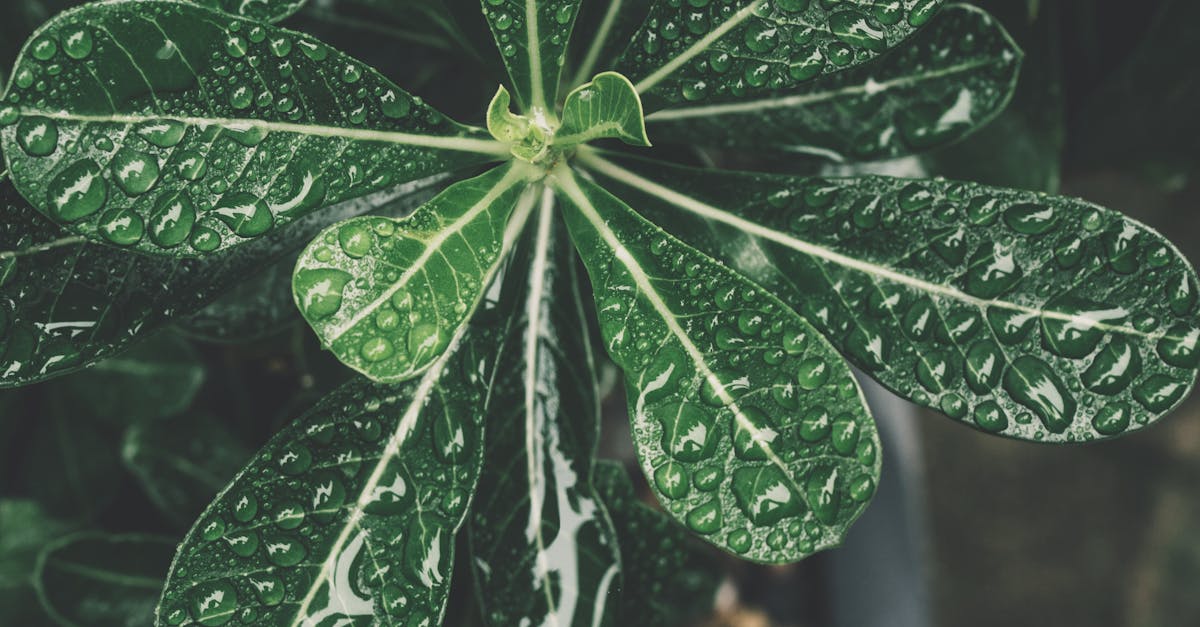
Does the Color of the Bonsai Pot Impact its Placement?

The Significance of Bonsai Pot Color in Placement

The placement of a bonsai tree is an essential aspect of its overall aesthetic appeal. While many factors contribute to the placement of a bonsai, such as the size, shape, and style of the tree, the color of the pot can also play a significant role.

Bonsai pots come in a variety of colors, from traditional black and brown to more vibrant shades of red, green, and blue. The color of the pot can be used to create a variety of effects, from complementing the foliage of the tree to creating a contrasting statement.

In this article, we will explore the relationship between the color of the bonsai pot and its placement. We will discuss how traditional Japanese aesthetic principles, complementary and contrasting colors, and seasonal considerations can all be used to create a harmonious and visually appealing display.

1. 1. Bonsai Color Theory

Bonsai color theory is a set of traditional Japanese aesthetic principles that guide the selection of colors for bonsai pots and other accessories. These principles are based on the idea of creating a harmonious and visually appealing display that complements the natural beauty of the bonsai tree.

One of the most important principles of bonsai color theory is the use of complementary colors. Complementary colors are colors that are opposite each other on the color wheel, such as red and green, blue and orange, or purple and yellow. When placed together, complementary colors create a sense of contrast and visual interest. In bonsai, complementary colors can be used to create a striking contrast between the pot and the foliage of the tree. For example, a bonsai tree with green foliage might be placed in a red pot, or a bonsai tree with red foliage might be placed in a green pot.

Another important principle of bonsai color theory is the use of neutral colors. Neutral colors are colors that do not have a strong hue, such as black, white, and gray. Neutral colors can be used to create a more subdued and elegant look. In bonsai, neutral colors are often used for pots that are intended to complement the natural beauty of the tree, rather than compete with it. For example, a bonsai tree with delicate flowers might be placed in a black pot, or a bonsai tree with variegated foliage might be placed in a white pot.

2. 2. Complementary and Contrasting Colors

Complementary and contrasting colors can be used to create a variety of visual effects in bonsai. Complementary colors are colors that are opposite each other on the color wheel, such as red and green, blue and orange, or purple and yellow. When placed together, complementary colors create a sense of contrast and visual interest. In bonsai, complementary colors can be used to create a striking contrast between the pot and the foliage of the tree. For example, a bonsai tree with green foliage might be placed in a red pot, or a bonsai tree with red foliage might be placed in a green pot.

Contrasting colors are colors that are not opposite each other on the color wheel, but still create a sense of contrast. For example, blue and green are contrasting colors, as are yellow and orange. Contrasting colors can be used to create a more subtle and nuanced look in bonsai. For example, a bonsai tree with green foliage might be placed in a blue pot, or a bonsai tree with yellow foliage might be placed in an orange pot.

When choosing complementary or contrasting colors for bonsai, it is important to consider the overall effect that you want to create. If you want to create a striking and dramatic look, then you might choose to use complementary colors. If you want to create a more subtle and nuanced look, then you might choose to use contrasting colors. Ultimately, the best way to learn how to use complementary and contrasting colors in bonsai is to experiment and see what works best for you.

3. 3. Bonsai Aesthetics in Different Settings

When choosing a bonsai pot, it is important to consider the setting in which the bonsai will be displayed. The color of the pot should complement the interior or exterior design scheme, as well as the room decor, lighting, and surrounding elements.

For example, if you have a bonsai tree that will be displayed in a traditional Japanese tea room, you might choose a pot that is made of a natural material, such as clay or ceramic. The color of the pot should be落ち着いた (ochついた), which means

4. 4. Seasonal Considerations

The color of the bonsai pot can also be adjusted based on seasonal changes. For example, in the spring, when the foliage of the tree is fresh and new, you might choose to use a pot that is a brighter color, such as green or yellow. In the summer, when the foliage is more mature, you might choose to use a pot that is a darker color, such as brown or black. In the fall, when the foliage is changing color, you might choose to use a pot that is a more vibrant color, such as red or orange. And in the winter, when the tree is dormant, you might choose to use a pot that is a more neutral color, such as white or gray.

In addition to the foliage of the tree, you should also consider the temperatures and natural surroundings when choosing a bonsai pot. For example, if you live in a climate that is cold and snowy, you might choose to use a pot that is made of a more durable material, such as ceramic or metal. And if you live in a climate that is hot and humid, you might choose to use a pot that is made of a more porous material, such as clay or terracotta.

By considering the seasonal changes and natural surroundings, you can choose a bonsai pot that will complement the tree and its environment throughout the year.

5. 5. Personal Interpretation

The color of the bonsai pot is ultimately a matter of personal preference. There are no right or wrong answers, and what looks good to one person may not look good to another. The most important thing is to choose a color that you like and that complements the tree and its surroundings.

If you are unsure of what color to choose, you can always experiment with different pots until you find one that you are happy with. You can also ask for advice from other bonsai enthusiasts or from a professional bonsai artist.

Once you have chosen a pot, don’t be afraid to change it up from time to time. As your tree grows and changes, you may find that a different color pot looks better. Or, you may simply want to change the look of your bonsai display. The possibilities are endless!

What are the most important factors to consider when choosing a bonsai pot color?

The most important factors to consider when choosing a bonsai pot color are the foliage of the tree, the setting in which the bonsai will be displayed, and your personal preferences.

What are some tips for choosing a bonsai pot color that complements the foliage of the tree?

Some tips for choosing a bonsai pot color that complements the foliage of the tree include using complementary colors to create contrast, using contrasting colors to create a more subtle look, and considering the overall color scheme of the tree.

How can I choose a bonsai pot color that matches the setting in which the bonsai will be displayed?

To choose a bonsai pot color that matches the setting in which the bonsai will be displayed, consider the interior or exterior design scheme, the room decor, the lighting, and the surrounding elements.

Is it important to consider seasonal changes when choosing a bonsai pot color?

Yes, it is important to consider seasonal changes when choosing a bonsai pot color. The color of the pot can be adjusted to complement the foliage of the tree and its natural surroundings throughout the year.

Is there a right or wrong answer when it comes to choosing a bonsai pot color?

No, there is no right or wrong answer when it comes to choosing a bonsai pot color. The most important thing is to choose a color that you like and that complements the tree and its surroundings.

Related Posts
How to Pair Bonsai with Other Houseplants for Harmony

The Art of Pairing Bonsai with Houseplants: A Guide to Harmony and Serenity The Harmony of Bonsai and Houseplants: Creating Read more

Bonsai Trees as Focal Points in Home Decor: A Comprehensive Guide

Transforming Interiors: The Art of Bonsai as Home Decor Bonsai trees, with their intricate branches and miniature landscapes, have captivated Read more

What Is the Historical Significance of Bonsai in Interior Design?

Bonsai: A Timeless Dance of Nature and Art in Interior Design Nestled amid the tranquil corners of homes and vibrant Read more

Does the Direction a Bonsai Faces Have Any Importance?

Facing the Sun: A Guide to Positioning Your Bonsai for Optimal Growth Bonsai trees are beautiful and delicate plants that Read more
A note to our visitors

This website has updated its privacy policy in compliance with changes to European Union data protection law, for all members globally. We’ve also updated our Privacy Policy to give you more information about your rights and responsibilities with respect to your privacy and personal information. Please read this to review the updates about which cookies we use and what information we collect on our site. By continuing to use this site, you are agreeing to our updated privacy policy.

Bonsai Trees and Supplies Direct From the Grower !
Automated SEO Heist