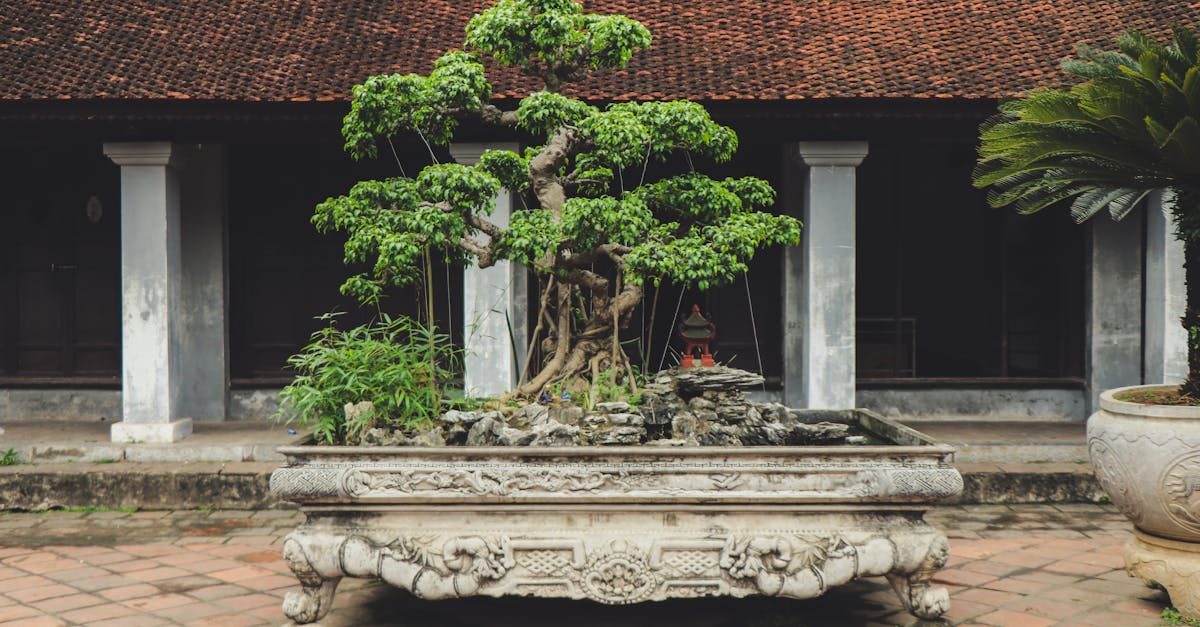
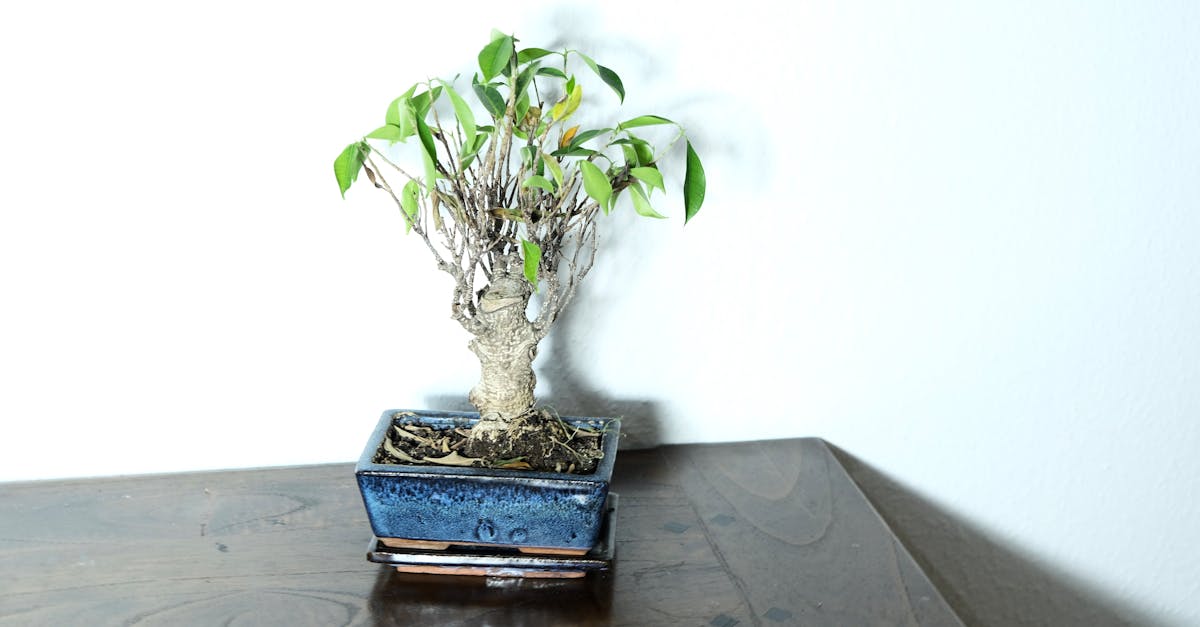
Unveiling the Art of Bonsai Display: A Journey Guided by the Rule of Thirds
The Rule of Thirds is a guiding principle in art, photography, and design that helps create visually balanced and appealing compositions. It divides a visual area into thirds horizontally and vertically, creating four intersection points and two primary lines. By strategically positioning elements along these lines and at the intersection points, artists and designers can create a sense of harmony and visual interest.
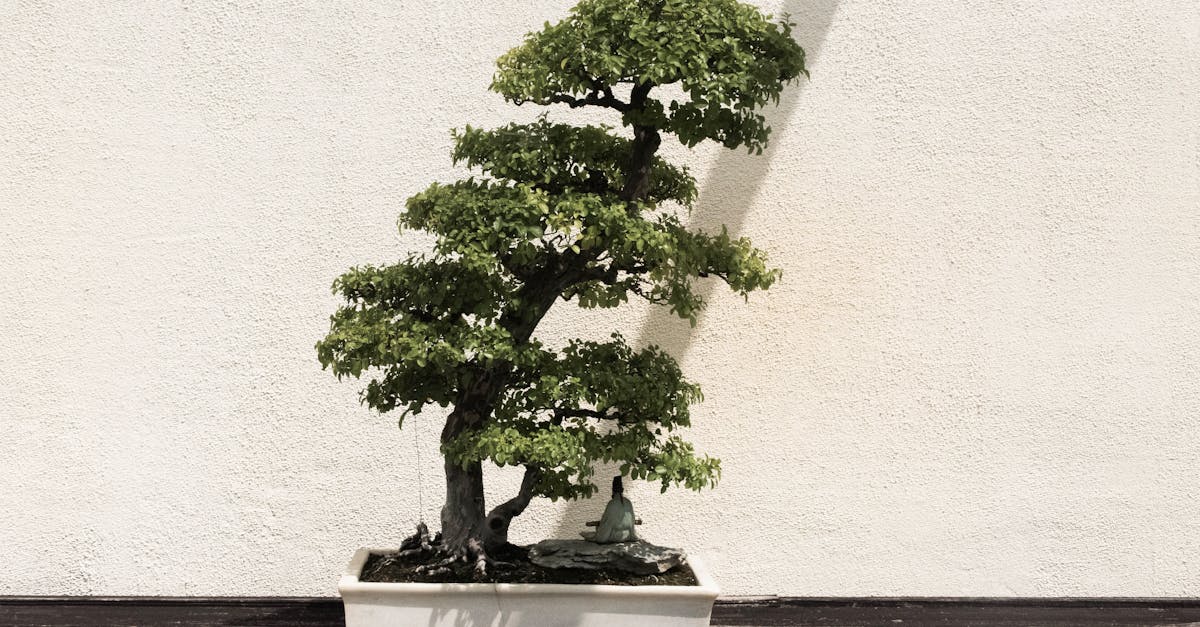
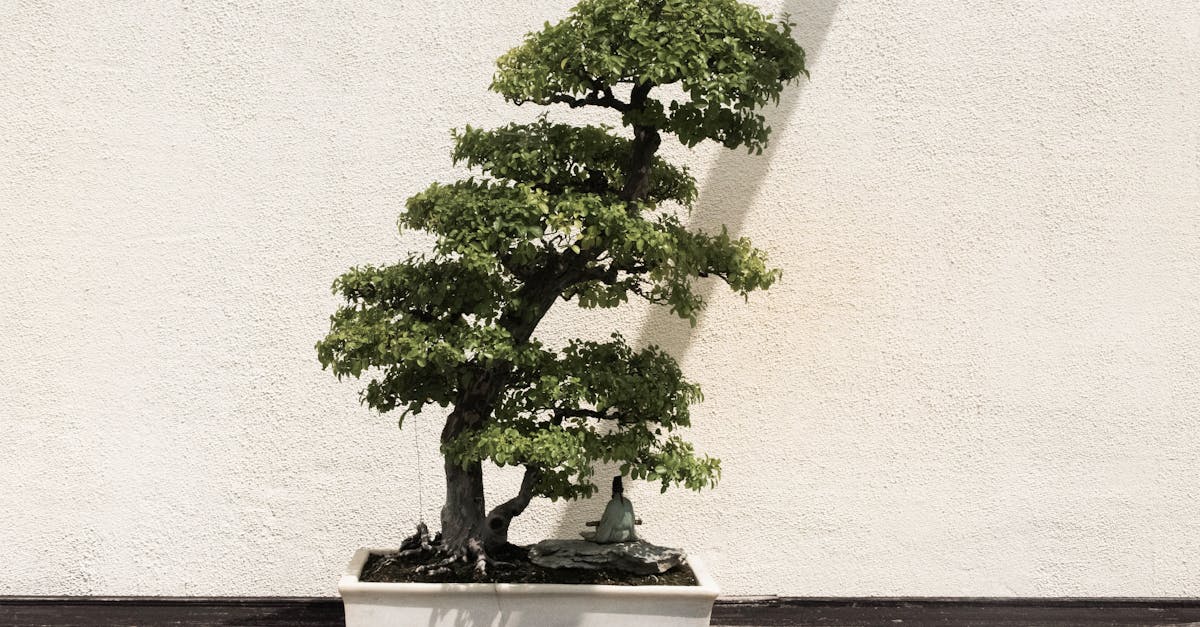
In the world of bonsai display, the Rule of Thirds serves as a powerful tool for creating aesthetically pleasing and cohesive arrangements. By applying this principle to the placement of the bonsai tree, rocks, and other display elements, enthusiasts can enhance the visual impact of their compositions and evoke a sense of tranquility and balance.
In this comprehensive guide, we will explore the intricacies of the Rule of Thirds and its application to bonsai display, providing practical insights and techniques for creating captivating and harmonious arrangements.
1. Understanding the Rule of Thirds
The Rule of Thirds is a fundamental principle in art and photography that guides the placement of elements within a composition to achieve visual balance and harmony. It divides the visual area into thirds, both horizontally and vertically, creating four intersection points and two primary lines. These lines and points serve as a framework for arranging elements in a way that is both aesthetically pleasing and attention-grabbing.
The origins of the Rule of Thirds can be traced back to the Renaissance era, where it was employed by artists such as Leonardo da Vinci and Johannes Vermeer to create visually balanced and dynamic compositions in their paintings. In photography, it gained prominence in the early 20th century as a guiding principle for capturing compelling and well-composed images.
The significance of the Rule of Thirds lies in its ability to create visual interest and balance in a composition. By placing important elements along the intersection points or primary lines, artists and photographers can draw the viewer’s attention to specific areas and create a sense of harmony and cohesion. This principle is particularly effective in creating visually appealing and engaging bonsai displays, as it helps to guide the placement of the tree, rocks, and other elements to achieve a balanced and aesthetically pleasing arrangement.
2. Applying the Rule of Thirds to Bonsai Display
Applying the Rule of Thirds to bonsai display involves dividing the display area into thirds, both horizontally and vertically, using imaginary lines. This creates four main intersection points and two primary lines that serve as a framework for arranging the bonsai tree, rocks, and other elements.
To divide the display area, start by visualizing two horizontal lines, one at the top third and one at the bottom third of the area. Next, visualize two vertical lines, one at the left third and one at the right third. The intersection points of these lines are the four main points of interest in the display.
The two horizontal lines are referred to as the upper and lower primary lines, while the two vertical lines are called the left and right primary lines. These lines and points provide a structured framework for arranging the elements of the display in a visually balanced and harmonious way. By placing the bonsai tree, rocks, and other elements along these lines or at the intersection points, it is possible to create a cohesive and aesthetically pleasing arrangement.
3. Positioning Elements Using Intersections
Positioning elements using intersections is a key aspect of applying the Rule of Thirds to bonsai display. By placing the bonsai tree, rocks, and other elements at or near the intersection points, it is possible to enhance visual interest and create a sense of balance and harmony in the display.
The bonsai tree is typically placed at one of the intersection points, slightly off-center, to create visual interest and avoid a symmetrical arrangement. This placement draws the viewer’s attention to the tree and establishes it as the focal point of the display.
Rocks and other elements can be placed at the remaining intersection points or along the primary lines to create a sense of balance and harmony. By carefully considering the placement of each element, it is possible to create a cohesive and visually appealing arrangement that showcases the beauty of the bonsai tree and its surroundings.
4. Balancing Elements Along Primary Lines
Balancing elements along primary lines is another important aspect of applying the Rule of Thirds to bonsai display. The two horizontal primary lines and two vertical primary lines created by dividing the display area into thirds can be used to establish visual connections and create a harmonious flow within the display.
By aligning elements along these lines, it is possible to create a sense of balance and unity. For example, the bonsai tree can be aligned along one of the vertical primary lines, while rocks or other elements can be placed along the horizontal primary lines to create a sense of visual connection and balance.
In addition, by using leading lines—lines that draw the viewer’s eye through the display—it is possible to create a harmonious flow and guide the viewer’s attention to specific elements or areas of the display. Leading lines can be created using the branches of the bonsai tree, the placement of rocks, or other elements within the display.
5. Additional Composition Techniques
In addition to the Rule of Thirds, there are several other advanced composition techniques that can be used to create visually interesting and appealing bonsai displays. These techniques complement the Rule of Thirds and can be used to enhance the overall impact of the display.
Leading Lines: Leading lines are lines that draw the viewer’s eye through the display and can be used to create a sense of depth and movement. In bonsai display, leading lines can be created using the branches of the tree, the placement of rocks, or other elements within the display. By using leading lines, it is possible to guide the viewer’s attention to specific elements or areas of the display and create a more dynamic and engaging composition.
Creating Depth: Depth is an important element of any bonsai display, as it helps to create a sense of realism and dimension. There are several techniques that can be used to create depth in a bonsai display, such as using forced perspective, overlapping elements, and varying the size and scale of elements. By using these techniques, it is possible to create a bonsai display that appears to have depth and recession, making it more visually interesting and engaging.
What is the purpose of the Rule of Thirds in bonsai display?
The Rule of Thirds is a compositional guideline that helps create visually balanced and aesthetically pleasing arrangements by dividing the display area into thirds, both horizontally and vertically.
How do I apply the Rule of Thirds to my bonsai display?
Divide the display area into thirds using imaginary lines, and position the bonsai tree, rocks, and other elements along the lines or at the intersection points.
What are some additional composition techniques that complement the Rule of Thirds?
Leading lines, creating depth, and employing asymmetry can enhance the visual interest and appeal of a bonsai display.
How can I create a sense of depth in my bonsai display?
Use forced perspective, overlapping elements, and vary the size and scale of elements to create depth and dimension.
What is the best way to use leading lines in my bonsai display?
Use the branches of the tree, the placement of rocks, or other elements to create lines that draw the viewer’s eye through the display and create a sense of movement.
Transforming Interiors: The Art of Bonsai as Home Decor Bonsai trees, with their intricate branches and miniature landscapes, have captivated Read more
A bonsai tree is a beautiful and delicate work of art that can bring a sense of peace and tranquility to any home. But did you know that the placement of your bonsai tree can also have an impact on your family harmony? According to the ancient Chinese practice of feng shui, the placement of objects in your home can affect the flow of energy, which in turn can affect your mood, health, and relationships.
In this article, we will explore the fascinating world of bonsai and feng shui, and we will discuss how the placement of your bonsai tree can impact your family harmony. We will also provide some tips for choosing the right location for your bonsai tree to promote peace and happiness in your home.
Bonsai trees are miniature trees that are grown in containers. They are often used as decorative elements in homes and offices, and they can also be used for meditation and relaxation. Bonsai trees are said to represent the balance between nature and humanity, and they are believed to bring good luck and fortune to those who own them.
1. Introduction to Bonsai and Feng Shui
Introduction to Bonsai and Feng Shui: Exploring the historical and cultural significance of bonsai and feng shui.
Bonsai is the ancient Japanese art of growing miniature trees in containers. Bonsai trees are created by carefully pruning and shaping the tree over many years, and they are often considered to be works of art. Bonsai trees are said to represent the balance between nature and humanity, and they are believed to bring good luck and fortune to those who own them.
Feng shui is the ancient Chinese practice of arranging objects in a space to create balance and harmony. Feng shui is based on the belief that the flow of energy, or qi, can be affected by the placement of objects in a space, and that this can in turn affect the mood, health, and relationships of the people who live or work in that space.
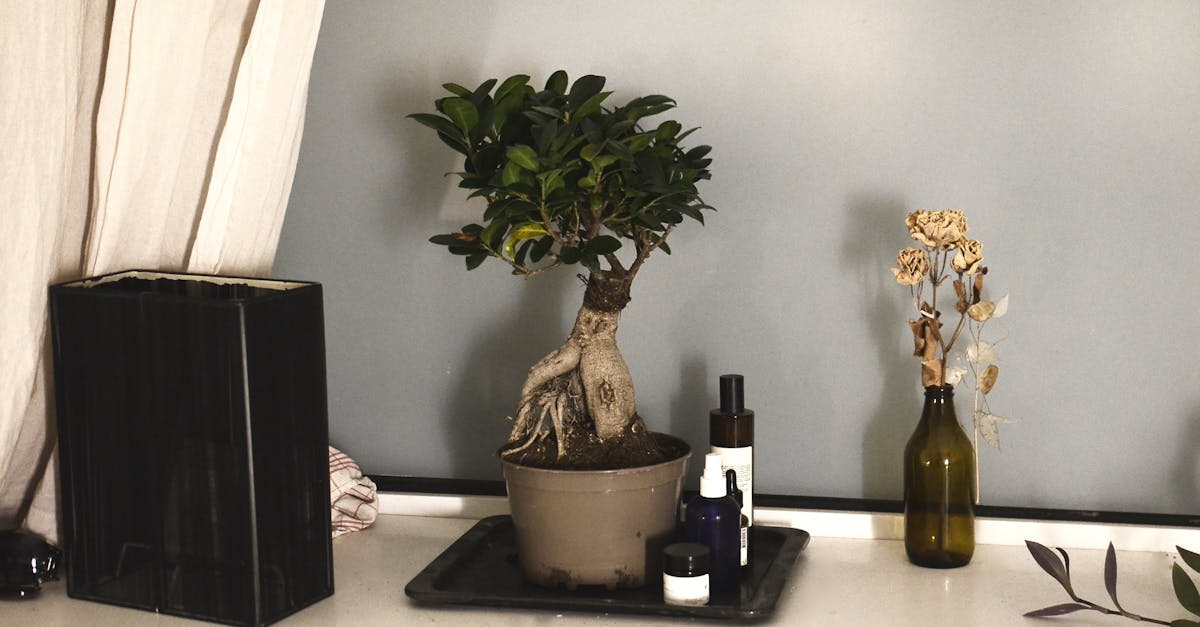
The combination of bonsai and feng shui can create a beautiful and harmonious space that is said to promote peace, happiness, and good fortune. Bonsai trees can be placed in any room of the home, but they are often placed in the living room, dining room, or office.
2. The Elements of Feng Shui
The Elements of Feng Shui: Understanding the five elements of feng shui and their influence on home décor.
Feng shui is based on the belief that everything in the universe is made up of five elements: wood, fire, earth, metal, and water. These elements are said to be in a constant state of flux, and the balance of these elements in a space can affect the mood, health, and relationships of the people who live or work in that space.
The five elements of feng shui are represented by different colors, shapes, and materials. For example, wood is represented by the color green, the shape of a rectangle, and the material of wood. Fire is represented by the color red, the shape of a triangle, and the material of fire. Earth is represented by the color yellow, the shape of a square, and the material of earth. Metal is represented by the color white, the shape of a circle, and the material of metal. Water is represented by the color blue, the shape of a wave, and the material of water.
When decorating your home according to feng shui principles, it is important to consider the balance of the five elements. For example, if you want to create a space that is calming and relaxing, you might want to incorporate more of the water element, such as by using blue colors and wave shapes. If you want to create a space that is energizing and stimulating, you might want to incorporate more of the fire element, such as by using red colors and triangle shapes.
3. The Significance of Plant Placement
The Significance of Plant Placement: Investigating the impact of plant placement according to feng shui principles.
According to feng shui, the placement of plants in your home can have a significant impact on the flow of energy, or qi. Plants are said to represent the wood element, which is associated with growth, vitality, and new beginnings. By placing plants in strategic locations in your home, you can harness the power of the wood element to create a space that is more inviting, harmonious, and充满活力的.
When choosing plants for your home, it is important to consider the size, shape, and color of the plant. The size of the plant should be in proportion to the size of the room. A large plant in a small room can make the room feel cluttered and cramped, while a small plant in a large room can get lost and unnoticed. The shape of the plant should also be taken into consideration. Plants with sharp or pointed leaves are said to create negative energy, while plants with round or soft leaves are said to create positive energy. The color of the plant can also be used to create a specific mood or atmosphere. For example, green plants are said to promote peace and tranquility, while red plants are said to stimulate energy and passion.
Once you have chosen the right plants for your home, it is important to place them in strategic locations. Plants should be placed in areas where they will receive plenty of natural light. They should also be placed away from windows and doors, as these areas can create drafts that can damage the plants. Plants can be used to create a focal point in a room, or they can be used to fill in empty spaces. They can also be used to create a sense of privacy by placing them in front of windows or doors.
4. Bonsai Placement and Family Harmony
Bonsai Placement and Family Harmony: Analyzing the potential effects of bonsai placement on family relationships and well-being.
Bonsai trees are said to represent the balance between nature and humanity, and they are believed to bring good luck and fortune to those who own them. But did you know that the placement of your bonsai tree can also have an impact on your family harmony? According to the ancient Chinese practice of feng shui, the placement of objects in your home can affect the flow of energy, or qi, which in turn can affect the mood, health, and relationships of the people who live or work in that space.
When choosing a location for your bonsai tree, it is important to consider the size and shape of the tree, as well as the size and shape of the room. The bonsai tree should be in proportion to the size of the room, and it should be placed in a location where it will receive plenty of natural light. It is also important to avoid placing the bonsai tree in areas where there is a lot of traffic, as this can damage the tree. Once you have chosen a location for your bonsai tree, it is important to keep it well-maintained. This includes watering the tree regularly, fertilizing it every few months, and pruning it as needed.
5. Tips for Harmonious Bonsai Placement
Tips for Harmonious Bonsai Placement: Providing practical guidance on choosing the right location for your bonsai to promote family harmony.
When choosing a location for your bonsai tree, there are a few things to keep in mind. First, consider the size and shape of the tree. A large tree will need more space than a small tree, and a tree with a wide canopy will need more space than a tree with a narrow canopy. Second, consider the amount of light that the tree will receive. Bonsai trees need plenty of sunlight to thrive, so choose a location that receives at least six hours of sunlight per day. Third, consider the feng shui of the space. According to feng shui, the placement of objects in your home can affect the flow of energy, or qi, which in turn can affect the mood, health, and relationships of the people who live or work in that space.
Here are a few tips for choosing the right location for your bonsai tree:
Place the tree in a central location. This will allow the tree to receive plenty of sunlight and will also make it a focal point of the room.
Avoid placing the tree in a corner. This can create a feeling of stagnation and can block the flow of energy.
Place the tree away from windows and doors. This will help to protect the tree from drafts and extreme temperatures.
Consider the feng shui of the space. When choosing a location for your bonsai tree, consider the five elements of feng shui: wood, fire, earth, metal, and water. The wood element is associated with growth and vitality, the fire element is associated with passion and creativity, the earth element is associated with stability and grounding, the metal element is associated with clarity and precision, and the water element is associated with flow and communication. Choose a location for your bonsai tree that is in harmony with the feng shui of the space.
What are the benefits of having a bonsai tree in the home?
Bonsai trees are said to bring good luck and fortune to those who own them. They can also help to create a sense of peace and tranquility in the home. Additionally, bonsai trees can be a beautiful and unique addition to any décor.
Where is the best place to put a bonsai tree in the home?
The best place to put a bonsai tree in the home is in a central location where it will receive plenty of sunlight. Avoid placing the tree in a corner, as this can create a feeling of stagnation and block the flow of energy.
How often should I water my bonsai tree?
Bonsai trees need to be watered regularly, but the frequency will vary depending on the type of tree, the size of the tree, and the climate. A good rule of thumb is to water the tree when the soil is dry to the touch.
How often should I fertilize my bonsai tree?
Bonsai trees should be fertilized every few months. Use a fertilizer that is specifically designed for bonsai trees.
How often should I prune my bonsai tree?
Bonsai trees should be pruned as needed to maintain their shape and size. The frequency of pruning will vary depending on the type of tree.
Transforming Interiors: The Art of Bonsai as Home Decor Bonsai trees, with their intricate branches and miniature landscapes, have captivated Read more
The Art of Bonsai Placement: A Guide to Harmonize Your Space with Feng Shui
Bonsai trees are miniature trees that are grown in containers. They are often used in feng shui, the ancient Chinese art of placement, to create harmonious and balanced spaces. The placement of bonsai trees in your home or office can have a significant impact on the flow of chi, or energy. This guide will provide you with specific guidelines on how to position bonsai trees in different areas of your home or office to enhance the flow of chi and create positive energy.
Bonsai trees are often associated with nature and miniature landscapes. In feng shui, they are said to represent the five elements: wood, fire, earth, metal, and water. Bonsai trees can be used to create a sense of balance and harmony in your space. They can also be used to attract positive energy and promote good fortune.
When choosing a bonsai tree for your home or office, it is important to consider the size, shape, and species of the tree. You should also consider the surrounding environment. The placement of your bonsai tree will depend on the specific energy you wish to enhance in your space.
1. Understanding Feng Shui
Feng shui is an ancient Chinese philosophy that seeks to harmonize people with their surrounding environment. The literal translation of feng shui is “wind-water.” The term “feng” refers to the movement of air, while “shui” refers to the flow of water. In feng shui, it is believed that the placement of objects in our environment can affect the flow of chi, or energy. This energy can have a positive or negative impact on our health, wealth, and relationships.
The principles of feng shui are based on the Taoist concept of yin and yang. Yin and yang are two opposing forces that are complementary and interdependent. Yin is associated with darkness, cold, and femininity, while yang is associated with light, heat, and masculinity. In feng shui, the goal is to create a balance of yin and yang in our environment. This can be done by using the five elements of wood, fire, earth, metal, and water. Each element has its own unique properties and can be used to create a specific type of energy. For example, the element of wood is associated with growth and vitality, while the element of fire is associated with passion and creativity.
Feng shui can be applied to any space, including our homes, offices, and gardens. By carefully considering the placement of objects in our environment, we can create spaces that are harmonious and balanced. This can lead to improved health, wealth, and relationships.
2. The Significance of Bonsai in Feng Shui
Bonsai trees are miniature trees that are grown in containers. They are often used in feng shui, the ancient Chinese art of placement, to create harmonious and balanced spaces. Bonsai trees are said to represent the five elements of wood, fire, earth, metal, and water. They are also said to represent the forces of yin and yang. Yin is the feminine principle, which is associated with darkness, cold, and water. Yang is the masculine principle, which is associated with light, heat, and fire. Bonsai trees can be used to create a balance of yin and yang in your space.
In feng shui, bonsai trees are often used to represent nature. They can be used to bring the outdoors in and create a sense of peace and tranquility. Bonsai trees can also be used to represent miniature landscapes. This can be a powerful way to bring the energy of nature into your home or office. Bonsai trees can also be used to represent different aspects of your life. For example, a bonsai tree with a strong, upright trunk can represent strength and stability. A bonsai tree with a more delicate, flowing trunk can represent creativity and flexibility. Bonsai trees can also attract positive energy and promote good fortune. They are often used in feng shui to enhance the flow of chi, or energy, in a space. This can lead to improved health, wealth, and relationships.
When choosing a bonsai tree for your home or office, it is important to consider the size, shape, and species of the tree. You should also consider the surrounding environment. The placement of your bonsai tree will depend on the specific energy you wish to enhance in your space.
3. Placement of Bonsai for Optimal Energy Flow
The placement of bonsai trees in your home or office can have a significant impact on the flow of chi, or energy. This energy can have a positive or negative impact on your health, wealth, and relationships. Here are some specific guidelines on how to position bonsai trees in different areas of your home or office to enhance the flow of chi and create positive energy:
East: The east is associated with the element of wood and the direction of new beginnings. Placing a bonsai tree in the east can help to promote health and vitality. It can also help to bring new opportunities into your life.
Southeast: The southeast is associated with the element of wood and the direction of wealth and prosperity. Placing a bonsai tree in the southeast can help to enhance your wealth and abundance. It can also help to attract new customers and clients.
South: The south is associated with the element of fire and the direction of fame and recognition. Placing a bonsai tree in the south can help to enhance your fame and reputation. It can also help to bring you recognition for your achievements.
West: The west is associated with the element of metal and the direction of creativity and new beginnings. Placing a bonsai tree in the west can help to promote creativity and innovation. It can also help to bring new beginnings into your life.
Center: The center is associated with the element of earth and the direction of stability and balance. Placing a bonsai tree in the center can help to enhance stability and balance in your life. It can also help to create a sense of peace and harmony.
When choosing a bonsai tree for a specific area of your home or office, it is important to consider the size, shape, and species of the tree. You should also consider the surrounding environment. For example, if you are placing a bonsai tree in a small space, you will want to choose a small tree. If you are placing a bonsai tree in a large space, you can choose a larger tree. You should also consider the style of the bonsai tree. Some bonsai trees have a more formal style, while others have a more natural style. The style of the bonsai tree should complement the style of your home or office.
Placement in the East
Placement in the East: Benefits and Significance
The east is associated with the element of wood and the direction of new beginnings. In feng shui, the east is considered to be the most auspicious direction. It is said to represent health, vitality, and new beginnings. Placing a bonsai tree in the east can help to promote these qualities in your life.
Bonsai trees are miniature trees that are grown in containers. They are often used in feng shui to create harmonious and balanced spaces. Bonsai trees are said to represent the five elements of wood, fire, earth, metal, and water. They are also said to represent the forces of yin and yang. Yin is the feminine principle, which is associated with darkness, cold, and water. Yang is the masculine principle, which is associated with light, heat, and fire. Bonsai trees can be used to create a balance of yin and yang in your space.
When choosing a bonsai tree for the east, it is important to choose a tree that is healthy and vigorous. The tree should have a strong trunk and healthy leaves. You should also consider the size and shape of the tree. A small tree is suitable for a small space, while a larger tree is suitable for a larger space. The shape of the tree should complement the style of your home or office.
Placement in the Southeast
Placement in the Southeast: Positive Effects on Wealth and Prosperity
The southeast is associated with the element of wood and the direction of wealth and prosperity. This makes it an ideal location to place a bonsai tree. Bonsai trees are miniature trees that are grown in containers. They are often used in feng shui to create harmonious and balanced spaces. Bonsai trees are said to represent the five elements of wood, fire, earth, metal, and water. They are also believed to attract positive chi, or energy. This energy can help to enhance wealth and prosperity.
When choosing a bonsai tree for the southeast, there are certain things to keep in mind. First, the tree should be healthy, with a strong trunk and healthy leaves. Second, the size and shape of the tree should be in proportion to the size of the space where it will be placed. Third, the tree should be placed in an area that receives plenty of natural light. This will help the tree to thrive and attract positive chi.
In addition to choosing the right bonsai tree, there are other things you can do to enhance the positive effects of its placement in the southeast. For example, you can place a small fountain or water feature near the tree. This will help to create a sense of abundance and prosperity. You can also place a small amount of money near the tree. This will help to attract even more wealth and prosperity.
Placement in the South
Placement in the South: Fostering Fame and Recognition
The south is associated with the element of fire and the direction of fame and recognition. This makes it an auspicious location to place a bonsai tree, as it can help to enhance your reputation and attract recognition for your achievements. Bonsai trees are miniature trees that are grown in containers. They are often used in feng shui to create harmonious and balanced spaces. They are also believed to attract positive chi, or energy. This energy can help to boost your confidence and creativity, which are both essential for achieving fame and recognition.
When choosing a bonsai tree for the south, there are a few things to keep in mind. First, the tree should be healthy and vigorous. This will ensure that it attracts positive chi and helps you to achieve your goals. Second, the size and shape of the tree should be in proportion to the size of the space where it will be placed. Third, the tree should be placed in an area that receives plenty of natural light. This will help the tree to thrive and attract positive chi.
In addition to choosing the right bonsai tree, there are other things you can do to enhance the positive effects of its placement in the south. For example, you can place a small candle near the tree. This will help to create a sense of warmth and passion, which are both important for attracting fame and recognition. You can also place a small amount of gold or silver near the tree. This will help to attract even more wealth and prosperity.
Placement in the West
Placement in the West: Promoting Creativity and New Beginnings
The west is associated with the element of metal and the direction of creativity and new beginnings. This makes it an ideal location to place a bonsai tree, as it can help to enhance your creativity and bring new opportunities into your life. Bonsai trees are miniature trees that are grown in containers. They are often used in feng shui to create harmonious and balanced spaces. Bonsai trees are also believed to attract positive chi, or energy. This energy can help to stimulate your mind and boost your creativity.
When choosing a bonsai tree for the west, there are a few things to keep in mind. First, the tree should be healthy and vigorous. This will ensure that it attracts positive chi and helps you to achieve your goals. Second, the size and shape of the tree should be in proportion to the size of the space where it will be placed. Third, the tree should be placed in an area that receives plenty of natural light. This will help the tree to thrive and attract positive chi.
In addition to choosing the right bonsai tree, there are other things you can do to enhance the positive effects of its placement in the west. For example, you can place a small metal object near the tree. This will help to create a sense of balance and stability, which are both important for creativity. You can also place a small amount of water near the tree. This will help to attract even more positive chi and promote new beginnings.
Placement in the Center
Placement in the Center: Enhancing Overall Balance and Stability
The center of a space is associated with the element of earth and the direction of overall balance and stability. This makes it an ideal location to place a bonsai tree, as it can help to promote harmony and stability in your life. Bonsai trees are miniature trees that are grown in containers. They are often used in feng shui to create harmonious and balanced spaces. Bonsai trees are also believed to attract positive chi, or energy. This energy can help to create a sense of peace and tranquility in your home or office.
When choosing a bonsai tree for the center, there are a few things to keep in mind. First, the tree should be healthy and vigorous. This will ensure that it attracts positive chi and helps you to achieve your goals. Second, the size and shape of the tree should be in proportion to the size of the space where it will be placed. Third, the tree should be placed in an area that receives plenty of natural light. This will help the tree to thrive and attract positive chi.
In addition to choosing the right bonsai tree, there are other things you can do to enhance the positive effects of its placement in the center. For example, you can place a small bowl of water near the tree. This will help to create a sense of balance and stability. You can also place a small amount of earth near the tree. This will help to attract even more positive chi and promote stability in your life.
4. Additional Considerations for Bonsai Placement
Additional Considerations for Bonsai Placement
In addition to the specific placement guidelines discussed above, there are a few other factors to consider when placing bonsai trees in your home or office. These factors include the size, shape, and species of the tree, as well as the surrounding environment.
Size and Shape: The size and shape of the bonsai tree should be in proportion to the size of the space where it will be placed. A small tree is suitable for a small space, while a larger tree is suitable for a larger space. The shape of the tree should also complement the style of your home or office.
Species: Different species of bonsai trees have different needs. Some species prefer bright light, while others prefer shade. Some species are more tolerant of drought than others. When choosing a bonsai tree, it is important to select a species that is well-suited to the environment where it will be placed.
Surrounding Environment: The surrounding environment can also affect the health and longevity of your bonsai tree. Bonsai trees need plenty of natural light, so it is important to place them in a spot that receives plenty of sunlight. Bonsai trees also need good drainage, so it is important to make sure that the pot has drainage holes. If you are placing your bonsai tree outdoors, it is important to protect it from the elements. This may involve providing shade from the sun, wind, and rain.
By considering all of these factors, you can choose the perfect bonsai tree for your home or office and ensure that it thrives for many years to come.
5. Conclusion
Conclusion
Bonsai trees are miniature trees that are grown in containers. They are often used in feng shui to create harmonious and balanced spaces. The placement of bonsai trees in your home or office can have a significant impact on the flow of chi, or energy. This energy can have a positive or negative impact on your health, wealth, and relationships.
When placing bonsai trees, it is important to consider the specific energy you wish to enhance in your space. For example, if you want to promote health and vitality, you should place a bonsai tree in the east. If you want to enhance your wealth and prosperity, you should place a bonsai tree in the southeast. If you want to foster fame and recognition, you should place a bonsai tree in the south. If you want to promote creativity and new beginnings, you should place a bonsai tree in the west. If you want to enhance overall balance and stability, you should place a bonsai tree in the center.
In addition to the specific placement guidelines, there are a few other factors to consider when placing bonsai trees. These factors include the size, shape, and species of the tree, as well as the surrounding environment. By considering all of these factors, you can choose the perfect bonsai tree for your home or office and ensure that it thrives for many years to come.
What is the best type of bonsai tree for beginners?
The best type of bonsai tree for beginners is one that is easy to care for and maintain. Some good choices for beginners include the Chinese elm, Japanese maple, and ficus. These trees are all relatively tolerant of neglect and can withstand a wide range of growing conditions.
How often should I water my bonsai tree?
The frequency with which you water your bonsai tree will depend on the species of tree, the size of the pot, and the climate in which you live. A good rule of thumb is to water your tree when the soil feels dry to the touch. Avoid overwatering, as this can lead to root rot.
How much sunlight does my bonsai tree need?
Most bonsai trees need at least 6 hours of sunlight per day. However, some species, such as the Chinese elm, can tolerate less light. If you are unsure how much sunlight your tree needs, it is best to err on the side of caution and give it more light.
How often should I fertilize my bonsai tree?
Bonsai trees should be fertilized every 2-3 weeks during the growing season. Use a balanced fertilizer that is specifically designed for bonsai trees.
How often should I repot my bonsai tree?
Bonsai trees should be repotted every 2-3 years. Repotting helps to refresh the soil and prevent the roots from becoming pot-bound.
Transforming Interiors: The Art of Bonsai as Home Decor Bonsai trees, with their intricate branches and miniature landscapes, have captivated Read more
Facing the Sun: A Guide to Positioning Your Bonsai for Optimal Growth Bonsai trees are beautiful and delicate plants that Read more
A note to our visitors
This website has updated its privacy policy in compliance with changes to European Union data protection law, for all members globally. We’ve also updated our Privacy Policy to give you more information about your rights and responsibilities with respect to your privacy and personal information. Please read this to review the updates about which cookies we use and what information we collect on our site. By continuing to use this site, you are agreeing to our updated privacy policy.
Bonsai Trees and Supplies Direct From the Grower !