Can Misting Be Part of the Watering Routine for Indoor Bonsai?

Misting: A Delicate Balancing Act for Indoor Bonsai Health
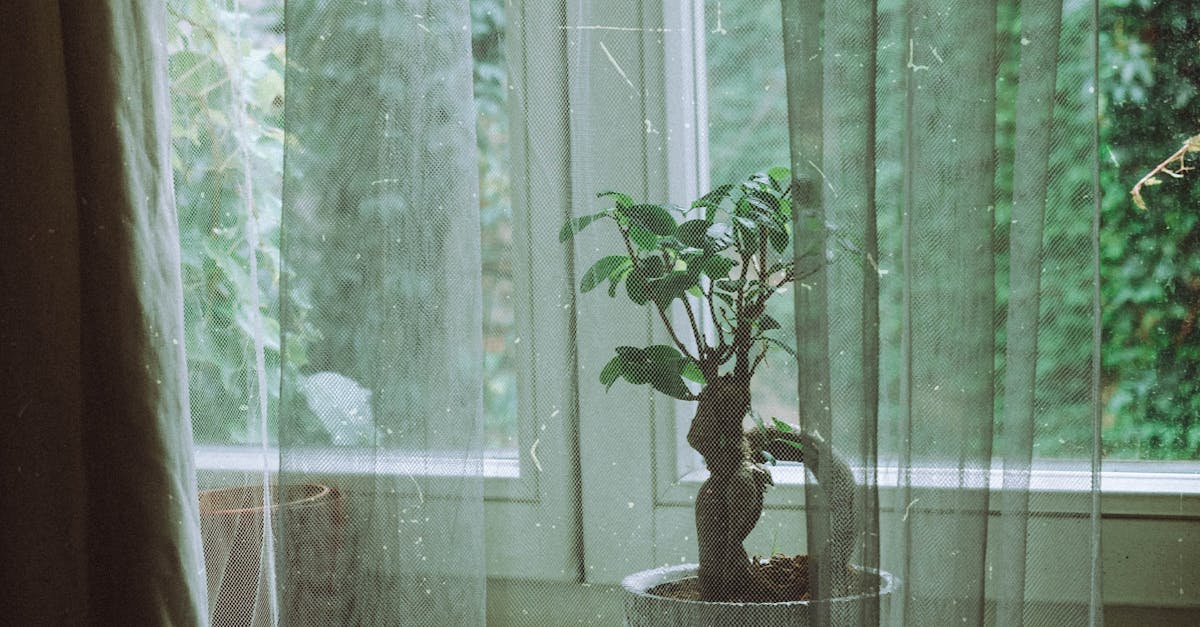
Misting is the process of spraying atomised water onto plants, largely for increasing humidity and cleaning the leaves, is also a method for watering plants, particularly in the indoor environment. This is especially crucial to remember when caring for indoor bonsai, exquisite miniature trees cultivated in containers, that often come from subtropical climates with consistently high humidity levels. While misting can be beneficial for indoor bonsai, there are also some potential drawbacks. So, can misting be a part of the watering routine for indoor bonsai? Let’s explore the pros and cons of misting as a watering method for these delicate creations.

1. What is Misting?

Misting is a horticultural technique that involves spraying a fine mist of water onto the leaves of plants. This technique is commonly employed to increase humidity levels around plants, particularly those that thrive in humid environments. Misting can also be used to gently remove dust and dirt from the leaves, improving the plant’s overall appearance and health.

When misting plants, it is important to ensure that the water droplets are fine and evenly distributed. Avoid over-misting, as this can lead to waterlogging in the soil and potentially cause root rot. Additionally, it is crucial to allow the leaves to dry completely after misting to prevent the development of fungal diseases.

Misting can be an effective way to provide supplemental moisture and improve the health of indoor plants, including bonsai trees. However, it is important to note that misting alone is not a substitute for regular watering. A comprehensive watering routine that considers the plant’s specific needs and environmental conditions is essential for optimal growth and vitality.

2. Benefits of Misting Indoor Bonsai
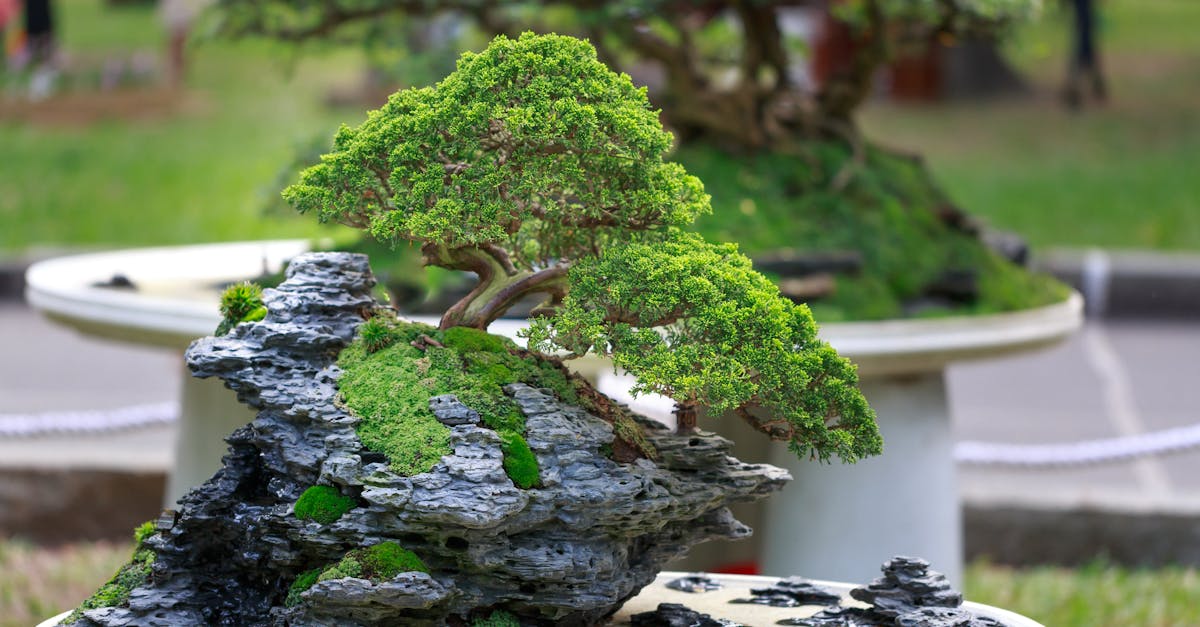
Misting indoor bonsai can offer several benefits for the health and aesthetic appeal of these miniature trees. Firstly, misting helps to increase humidity levels around the bonsai, which is particularly beneficial for species that originate from humid environments. Maintaining adequate humidity levels is crucial for the overall well-being of the bonsai, as it helps to prevent the leaves from drying out and promotes healthy growth.

Secondly, misting can gently remove dust and dirt accumulated on the leaves of the bonsai. This not only improves the appearance of the tree, but also allows for better light absorption and photosynthesis. Additionally, misting can help to dislodge pests that may be lurking on the leaves, reducing the risk of infestations.

Lastly, misting can create an unfavorable environment for pests, discouraging them from taking up residence on the bonsai. The fine water droplets can dislodge pests and wash them away, making the bonsai less attractive to these unwanted visitors. However, it is important to note that misting alone may not be sufficient to control severe pest infestations and may need to be combined with other pest management techniques.

Improves humidity

Maintaining adequate humidity levels is crucial for the health and well-being of many indoor plants, including bonsai trees. Misting can be an effective way to increase humidity around indoor bonsai, particularly for species that originate from humid environments.

When the air is too dry, bonsai trees can experience a range of problems, including leaf drop, browning of leaf tips, and stunted growth. Misting helps to create a more humid microclimate around the bonsai, which can help to mitigate these issues. Additionally, higher humidity levels can help to reduce the risk of spider mites and other pests that thrive in dry conditions.

It is important to note that misting alone may not be sufficient to maintain adequate humidity levels, especially in large or dry rooms. In such cases, it may be necessary to use a humidifier to supplement misting and ensure optimal humidity levels for the bonsai.

Removes dust and dirt

Dust and dirt accumulation on the leaves of indoor bonsai can阻碍光合作用,影响植物的整体健康状况。 定期喷雾可以帮助清除这些颗粒,让叶子更好地吸收光照,促进光合作用。

此外,灰尘和污垢堆积会堵塞叶子的气孔, 阻碍植物呼吸和释放多余水分。 喷雾可以帮助保持气孔畅通,确保植物能够正常进行气体交换和蒸腾作用。

定期喷雾还可以 смыть pests and their eggs from the leaves, reducing the risk of infestation and improving the overall health of the bonsai.

Prevents pests

Creating an unfavorable environment for pests is important for maintaining the health of indoor bonsai. Misting can help to achieve this by creating a humid microclimate that many common pests find unappealing. Pests such as spider mites and aphids thrive in dry conditions, so increasing the humidity around the bonsai can help to deter them.

Additionally, misting can help to dislodge pests that may be lurking on the leaves of the bonsai. The fine water droplets can knock pests off the leaves and make it difficult for them to gain a foothold. Regular misting can, therefore, be a useful preventative measure against pest infestations.

It is important to note that misting alone may not be sufficient to control severe pest infestations and may need to be combined with other pest management techniques such as insecticidal soaps or neem oil.

3. Drawbacks of Misting Indoor Bonsai

Misting indoor bonsai can have some potential drawbacks that should be considered before incorporating this technique into your care routine.

Firstly, over-misting can lead to fungal growth on the leaves of your indoor bonsai. Fungal diseases thrive in moist environments, so excessive misting can create the ideal conditions for them to develop. It is important to allow the leaves to dry completely between mistings to minimize the risk of fungal issues.

Secondly, misting can damage the leaves of your indoor bonsai if the water droplets are too large or if the misting is done too frequently. Large water droplets can weigh down the leaves and cause them to break, while frequent misting can strip the leaves of their protective waxy coating, making them more susceptible to pests and diseases.

Can lead to fungal growth

Over-misting indoor bonsai can lead to fungal growth on the leaves, stems, and soil of the plant. Fungal diseases thrive in moist environments, so excessive misting can create the ideal conditions for them to develop. Some common fungal diseases that can affect bonsai trees include powdery mildew, botrytis, and leaf spot.

Powdery mildew appears as a white or gray powdery substance on the leaves of the bonsai. Botrytis causes brown or black spots on the leaves and stems, and it can also lead to stem rot. Leaf spot causes small, dark spots on the leaves, which can eventually lead to leaf drop.

To prevent fungal growth on your indoor bonsai, it is important to avoid over-misting and to allow the leaves to dry completely between mistings. You should also provide good air circulation around the bonsai to help prevent moisture from building up.

Can damage leaves

Misting indoor bonsai can damage the leaves if the water droplets are too large or if the misting is done too frequently. Large water droplets can weigh down the leaves and cause them to break, while frequent misting can strip the leaves of their protective waxy coating, making them more susceptible to pests and diseases.

When misting your indoor bonsai, it is important to use a fine mist and to avoid over-misting. You should also allow the leaves to dry completely between mistings to prevent moisture from building up and causing damage.

If you notice that the leaves of your indoor bonsai are starting to turn brown or yellow, or if they are becoming brittle and dry, it may be a sign that you are over-misting. Reduce the frequency of misting and allow the leaves to dry completely between mistings to prevent further damage.

Can attract pests

Misting indoor bonsai can attract pests, especially if the water droplets are allowed to sit on the leaves for too long. Pests such as fungus gnats, shore flies, and aphids are attracted to moist environments, so over-misting can create the ideal conditions for them to thrive.

Fungus gnats are small, flying insects that are often found in moist soil. They can damage the roots of your bonsai tree and cause the leaves to turn yellow and drop. Shore flies are also small, flying insects that are attracted to moist environments. They can spread diseases to your bonsai tree and cause the leaves to become discolored and distorted.

Aphids are small, sap-sucking insects that can infest the leaves and stems of your bonsai tree. They can cause the leaves to become curled and stunted, and they can also spread diseases. To prevent pests from being attracted to your indoor bonsai, it is important to avoid over-misting and to allow the leaves to dry completely between mistings.

4. How to Mist Indoor Bonsai Properly
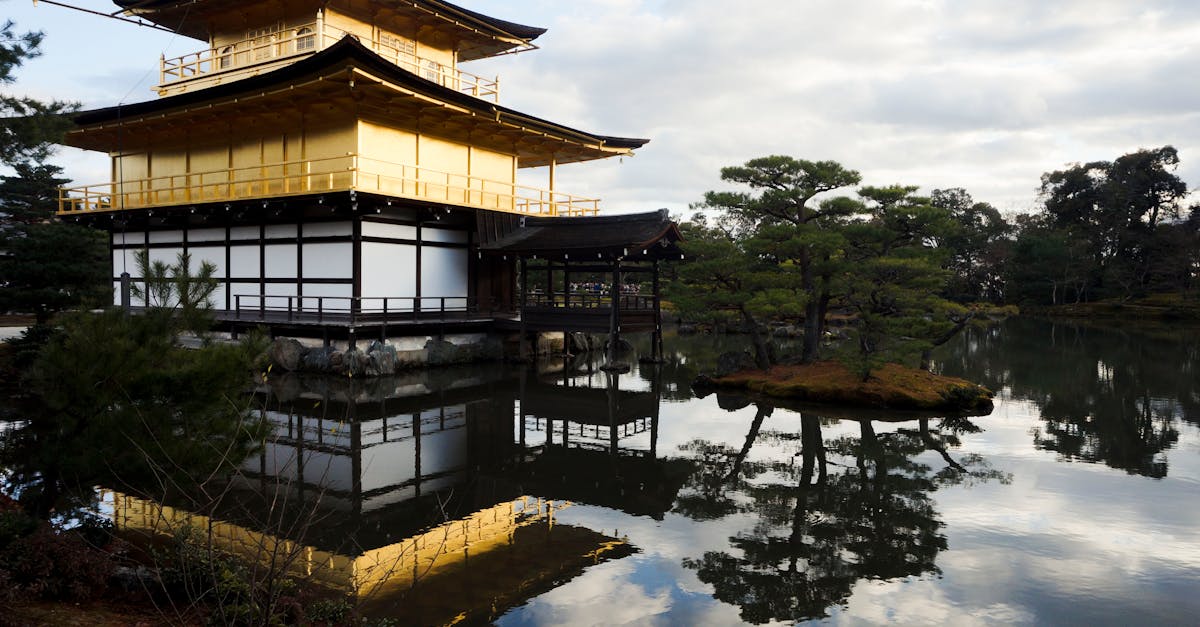
Misting your indoor bonsai can be beneficial, but it’s important to do it correctly to avoid causing any problems. Here are a few tips:

  1. Use a fine mist: The water droplets should be fine and evenly distributed. This will help to avoid damaging the leaves and will also help to prevent the growth of fungus.

  2. Avoid over-misting: Only mist your indoor bonsai when the soil is dry to the touch. Over-misting can lead to waterlogged soil, which can cause root rot and other problems.

  3. Allow the leaves to dry: After misting, allow the leaves to dry completely before misting again. This will help to prevent the growth of fungus and will also help to prevent the leaves from becoming damaged.

Misting your indoor bonsai can be a beneficial way to increase humidity and improve the overall health of your tree. However, following these tips will help you do it in a way that is not harmful.

Use a fine mist

When misting your indoor bonsai, it is important to use a fine mist. This means that the water droplets should be small and evenly distributed. You can achieve this by using a spray bottle with a fine mist setting or by gently misting the bonsai with a handheld mister.

Using a fine mist is important for several reasons. First, it helps to avoid damaging the leaves of the bonsai. Large water droplets can weigh down the leaves and cause them to break. Second, a fine mist helps to prevent the growth of fungus. Fungal spores are easily dispersed in water, so using a fine mist helps to reduce the risk of fungal growth on the leaves and stems of the bonsai.

To create a fine mist, you can either use a spray bottle with a fine mist setting or a handheld mister. If you are using a spray bottle, hold the bottle about 6 inches away from the bonsai and gently squeeze the trigger. If you are using a handheld mister, hold the mister about 12 inches away from the bonsai and pump the handle to create a fine mist. Avoid over-misting the bonsai, as this can lead to waterlogged soil and other problems.

Avoid over-misting

Over-misting your indoor bonsai can lead to a number of problems, including waterlogged soil, root rot, and fungal growth. To avoid these problems, it is important to only mist your bonsai when the soil is dry to the touch.

You can check the soil moisture by inserting your finger into the soil up to the first knuckle. If the soil feels dry or slightly moist, it is time to mist your bonsai. If the soil feels wet or soggy, wait a few days before misting.

Over-misting can be especially harmful to bonsai trees that are not native to humid environments. These trees are adapted to drier conditions and can easily develop root rot if they are over-watered. If you are unsure whether your bonsai is native to a humid environment, it is best to err on the side of caution and mist less frequently.

Here are some signs that your bonsai may be over-misted:

  • The soil is constantly wet or soggy.
  • The leaves are turning yellow or brown.
  • The leaves are dropping off the tree.
  • The roots are soft and mushy.

If you notice any of these signs, stop misting your bonsai immediately and allow the soil to dry out. You may also need to repot your bonsai into fresh, dry soil.

Allow the leaves to dry

After misting your indoor bonsai, it is important to allow the leaves to dry completely before misting again. This will help to prevent the growth of fungus and other diseases.

When the leaves of your bonsai are wet, they are more susceptible to fungal spores and other pathogens. These pathogens can cause a variety of diseases, including powdery mildew, leaf spot, and botrytis. Allowing the leaves to dry completely will help to reduce the risk of these diseases.

In addition to preventing disease, allowing the leaves to dry will also help to prevent the leaves from becoming damaged. When the leaves are wet, they are more delicate and can be easily damaged by touch or by the weight of water droplets. Allowing the leaves to dry will help to make them more resilient and less likely to be damaged.

Here are some tips for allowing the leaves of your indoor bonsai to dry completely:

  • Mist your bonsai in the morning so that the leaves have all day to dry.
  • Avoid misting your bonsai on cloudy days or in humid weather.
  • If you must mist your bonsai in humid weather, use a fan to circulate the air and help the leaves to dry more quickly.
  • Do not mist your bonsai too frequently. Only mist your bonsai when the soil is dry to the touch.

5. Conclusion

Misting your indoor bonsai can be a beneficial way to increase humidity and improve the overall health of your tree. However, it is important to mist properly to avoid causing any problems. Here are some key points to remember:

  • Use a fine mist and avoid over-misting.
  • Only mist your bonsai when the soil is dry to the touch.
  • Allow the leaves to dry completely before misting again.

If you follow these tips, misting can be a beneficial part of your bonsai care routine. However, it is important to remember that misting is not a substitute for regular watering. Bonsai trees still need to be watered deeply and regularly, even if you mist them.

Ultimately, whether or not to mist your indoor bonsai is a personal decision. If you are unsure whether misting is right for your tree, it is best to err on the side of caution and avoid misting. However, if you do decide to mist, be sure to do so properly to avoid any potential problems.

Quiz

1. What is the primary benefit of misting indoor bonsai?

(a) To increase humidity (b) To remove dust and dirt (c) To prevent pests (d) All of the above

2. True or False: Over-misting can lead to fungal growth on the leaves of indoor bonsai.

(a) True (b) False

3. Which of the following is NOT a drawback of misting indoor bonsai?

(a) Can damage leaves (b) Can attract pests (c) Is a substitute for regular watering (d) Can lead to fungal growth

4. When is the best time to mist your indoor bonsai?

(a) When the soil is dry to the touch (b) When the leaves are dry (c) In the morning (d) All of the above

5. True or False: It is important to allow the leaves of your indoor bonsai to dry completely after misting.

(a) True (b) False

Answer Key:

  1. (d)
  2. (a)
  3. (c)
  4. (d)
  5. (a)
Related Posts
Unveiling the Optimal Watering Schedule for Bonsai in Dry Indoor Environments

Mastering the Delicate Art of Hydrating Bonsai in Arid Indoor Spaces (Article Subtitle): Mastering the Delicate Art of Hydrating Bonsai Read more

Should You Use Tap Water or Distilled Water for Your Bonsai?

The Great Water Debate: Tap vs. Distilled for Bonsai Health When it comes to caring for bonsai trees, one of Read more

What Are the Symptoms of Underwatered Bonsai Trees?

The Signs and Causes of Underwatered Bonsai Trees Bonsai trees are a unique form of horticulture that involves growing and Read more

What Water Temperature is Best for Bonsai Trees?

The Art of Watering Bonsai: Unlocking the Secret to Thriving Miniature Trees Understanding the optimal water temperature for bonsai trees Read more
How to Use a Moisture Meter for Bonsai Trees

Unveiling the Secrets of Soil Moisture: A Guide to Moisture Meters for Bonsai Mastery

Mastering Bonsai Watering: A Comprehensive Guide to Using Moisture Meters

Delving into the art of bonsai cultivation unveils a world of meticulous care and attention to detail. Watering, a crucial aspect of bonsai maintenance, can make or break the health and longevity of these miniature masterpieces. Introducing moisture meters – indispensable tools that empower bonsai enthusiasts to decipher soil moisture levels, ensuring optimal hydration for their prized specimens.

Unveiling the secrets of moisture meters, this article delves into their significance, unravels their types and mechanisms, and illuminates the advantages they offer in the realm of bonsai care. By harnessing the power of moisture meters, you embark on a transformative journey toward responsible watering practices, safeguarding your bonsai from the perils of overwatering and underwatering. Join us as we unveil the art of moisture meter mastery, empowering you to nurture thriving bonsai that grace your home or garden with their exquisite charm.

1. Understanding Moisture Meters

Understanding Moisture Meters: Unveiling the Secrets of Soil Moisture

Stepping into the world of bonsai cultivation unveils the significance of moisture meters, indispensable tools that empower enthusiasts to decipher soil moisture levels, ensuring optimal hydration for their miniature masterpieces.

Moisture meters come in various types, each harnessing distinct mechanisms to measure soil moisture. Time Domain Reflectometry (TDR) meters utilize electromagnetic waves to assess soil moisture, while capacitance meters measure the electrical resistance between two probes inserted into the soil. Both methods provide accurate and reliable soil moisture readings, guiding bonsai enthusiasts toward informed watering decisions.

Embracing moisture meters empowers bonsai enthusiasts to transcend guesswork and embrace data-driven watering practices. By precisely measuring soil moisture levels, overwatering and underwatering become relics of the past, ensuring the health and vitality of your prized bonsai specimens.

Types of Moisture Meters

Types of Moisture Meters: Unveiling the Options for Bonsai Enthusiasts

Stepping into the realm of moisture meters unveils a diverse array of types, each tailored to specific applications and environments. For bonsai enthusiasts, selecting the most suitable moisture meter is paramount, ensuring accurate and reliable soil moisture readings.

Time Domain Reflectometry (TDR) moisture meters employ electromagnetic waves to measure soil moisture. These meters consist of two probes inserted into the soil, and by analyzing the time it takes for the electromagnetic waves to travel between the probes, TDR meters can determine the dielectric constant of the soil, which is directly related to soil moisture content.

Capacitance moisture meters, on the other hand, measure the electrical resistance between two probes inserted into the soil. As the soil moisture content increases, the electrical resistance decreases, providing an indirect measurement of soil moisture. Capacitance meters are generally less expensive than TDR meters and are suitable for most bonsai applications.

Advantages of Using Moisture Meters

Advantages of Using Moisture Meters: Empowering Bonsai Enthusiasts with Informed Watering

Embracing moisture meters unfolds a world of benefits, empowering bonsai enthusiasts with the knowledge to make informed watering decisions, ensuring the optimal health and vitality of their miniature masterpieces.

Moisture meters provide accurate and reliable soil moisture readings, eliminating guesswork and the risk of overwatering or underwatering. Overwatering can lead to root rot and other issues, while underwatering can stunt growth and weaken the plant. By precisely measuring soil moisture levels, bonsai enthusiasts can tailor their watering schedules to the specific needs of their bonsai, promoting healthy root development and overall well-being.

Furthermore, moisture meters allow enthusiasts to monitor soil moisture over time, tracking changes and identifying patterns. This information can help identify potential issues, such as poor drainage or uneven watering, enabling timely adjustments to the watering regimen. Moisture meters are indispensable tools for bonsai enthusiasts seeking to cultivate thriving and visually captivating specimens.

2. Choosing the Right Moisture Meter

Choosing the Right Moisture Meter: A Comprehensive Guide for Bonsai Enthusiasts

Selecting the most suitable moisture meter for bonsai cultivation requires careful consideration of several key factors, ensuring accurate and reliable soil moisture readings. Embarking on this journey empowers bonsai enthusiasts to make informed decisions, tailoring their choice to the specific needs of their miniature masterpieces.

Accuracy and reliability are paramount when choosing a moisture meter. Opt for meters with high accuracy ratings and proven performance in bonsai applications. This ensures that the readings obtained truly reflect the soil moisture levels, enabling precise watering decisions. Additionally, consider the depth of the probes and the design of the meter. Bonsai enthusiasts may encounter varying soil depths and root structures, necessitating meters with adjustable or multiple probes to accommodate different pot sizes and root systems.

Furthermore, ease of use and durability are essential factors to consider. Choose moisture meters that are user-friendly and provide clear and concise readings. Durability is crucial, as moisture meters are frequently used in moist soil environments. Opt for meters with robust construction and waterproof or water-resistant features to ensure longevity and reliable performance.

Meter Accuracy and Reliability

Meter Accuracy and Reliability: Cornerstones of Informed Watering Decisions

Accuracy and reliability are the cornerstones of effective moisture meters, empowering bonsai enthusiasts with confidence in their soil moisture readings. Precise measurements are crucial for informed watering decisions, ensuring the optimal health and vitality of bonsai specimens.

When selecting a moisture meter, prioritize accuracy. Opt for meters with high accuracy ratings, ensuring that the readings obtained accurately reflect the soil moisture levels. This precision enables bonsai enthusiasts to make data-driven watering decisions, avoiding the pitfalls of overwatering or underwatering. Reliable moisture meters maintain consistent accuracy over time, providing dependable readings that enthusiasts can trust.

In the realm of bonsai cultivation, accuracy and reliability go hand in hand. Accurate moisture meters empower enthusiasts to identify subtle changes in soil moisture, allowing them to fine-tune their watering practices and cater to the specific needs of each bonsai. Reliable meters ensure that these readings remain consistent over time, enabling enthusiasts to track soil moisture trends and make informed decisions throughout the growing season.

Meter Depth and Probe Design

Meter Depth and Probe Design: Tailoring Measurements to Bonsai Soil Depths

The depth and design of moisture meter probes play a crucial role in effective moisture measurement, empowering bonsai enthusiasts to accurately assess soil moisture at varying depths. Different bonsai species and pot sizes necessitate probes tailored to specific soil depths.

When selecting a moisture meter, consider the depth of the probes in relation to the root structure of your bonsai. Probes should be long enough to reach the primary root zone, ensuring accurate moisture readings. Adjustable probes offer versatility, accommodating different pot sizes and root depths. Opt for meters with multiple probes to obtain moisture readings at various soil depths, providing a comprehensive understanding of the soil moisture profile.

Probe design is equally important. Choose probes with sharp tips to easily penetrate the soil without damaging delicate roots. Durable probes withstand repeated insertions and prolonged use in moist soil environments. Additionally, consider probes with protective caps to prevent damage during storage and transportation.

3. Using a Moisture Meter Effectively

Using a Moisture Meter Effectively: Unlocking Accurate Soil Moisture Readings

Mastering the proper techniques for using moisture meters empowers bonsai enthusiasts to obtain accurate soil moisture readings, ensuring optimal hydration for their miniature masterpieces. Embracing these techniques unlocks the full potential of moisture meters, transforming them into invaluable tools for informed watering decisions.

Prior to using a moisture meter, ensure the soil is settled and not excessively wet or dry. Insert the probes gently into the soil, avoiding碰到根部或大的碎屑。根据制造商的说明,将探针插入适当的深度。缓慢而稳定地插入探针,以获得最准确的读数。

读取湿度计读数时,请参考制造商提供的刻度或数字显示。不同的湿度计可能有不同的刻度,因此仔细阅读说明至关重要。记录读数并将其与建议的湿度范围进行比较,这将根据盆景的种类和生长阶段而有所不同。通过定期监测土壤湿度,盆景爱好者可以识别浇水模式,从而避免过度浇水或浇水不足。

Soil Sample Preparation

Soil Sample Preparation: Laying the Foundation for Accurate Moisture Readings

Preparing soil samples with meticulous care is a cornerstone of accurate moisture measurement, ensuring reliable and error-free readings. Embracing proper soil sample preparation techniques empowers bonsai enthusiasts to obtain precise soil moisture data, guiding them toward informed watering decisions.

Begin by collecting a representative soil sample from the root zone of the bonsai. Avoid sampling from areas near the surface, as these may not accurately reflect the overall soil moisture levels. Gently remove any large debris or roots from the soil sample to prevent interference with the moisture meter probes.

When dealing with dry soil, lightly moisten it with distilled water to improve probe insertion and ensure good contact between the soil and the probes. Avoid over-moistening the soil, as this can alter the moisture content and compromise the accuracy of the reading.

Moisture Meter Calibration

Moisture Meter Calibration: Ensuring Precision in Soil Moisture Measurement

Regular calibration is the cornerstone of maintaining optimal performance and ensuring reliable soil moisture readings from your moisture meter. Embracing proper calibration techniques empowers bonsai enthusiasts to make informed watering decisions, promoting the health and vitality of their miniature masterpieces.

Begin the calibration process by consulting the manufacturer’s instructions for your specific moisture meter. Different meters may have unique calibration procedures, and following the recommended steps ensures accuracy.

Typically, calibration involves using a reference solution or a calibration solution of known moisture content. By inserting the probes into the reference solution and adjusting the meter according to the manufacturer’s guidelines, you establish a baseline for accurate soil moisture readings.

Interpreting Moisture Meter Readings

Interpreting Moisture Meter Readings: Deciphering Soil Moisture Levels for Optimal Watering

Interpreting moisture meter readings is a crucial skill for bonsai enthusiasts seeking to optimize watering practices and ensure the well-being of their miniature trees. Understanding the correlation between meter readings and soil moisture levels empowers informed decision-making, preventing overwatering or underwatering.

Moisture meters typically provide readings on a scale or display a numerical value. By referencing the manufacturer’s guidelines or calibration chart, bonsai enthusiasts can determine the corresponding soil moisture level for the obtained reading. Different plants and soil types may have varying optimal moisture ranges, so it’s essential to consider the specific needs of your bonsai.

Regular monitoring of soil moisture levels using a moisture meter allows bonsai enthusiasts to establish a baseline and track changes over time. This information helps identify patterns and fine-tune watering schedules to match the bonsai’s water requirements based on factors such as temperature, humidity, and growth stage.

4. Troubleshooting Moisture Meter Issues

Troubleshooting Moisture Meter Issues: Resolving Common Challenges for Accurate Readings

Embarking on the journey of bonsai cultivation often involves the use of moisture meters—invaluable tools that provide insights into soil moisture levels. However, even the most reliable moisture meters can occasionally encounter issues that may hinder their accuracy. Recognizing and addressing these common problems empowers bonsai enthusiasts to maintain optimal soil conditions and ensure the well-being of their miniature masterpieces.

Inaccurate readings can stem from various factors, including incorrect calibration, improper soil contact, or environmental influences. Regular calibration using a reference solution ensures the meter’s accuracy and compensates for any potential drift over time. Additionally, ensuring good contact between the probes and the soil is crucial. Compacted soil or large debris can impede proper readings; gently firming the soil around the probes can resolve this issue.

Understanding the potential causes of moisture meter malfunction is equally important. Rough handling, exposure to extreme temperatures, or water damage can compromise the meter’s functionality. Inspecting the meter for any physical damage or loose connections can help identify potential issues.

Inaccurate Readings

Inaccurate Readings: Unveiling the Causes and Finding Solutions

In the realm of bonsai cultivation, accurate moisture meter readings are paramount for informed watering decisions. However, various factors can contribute to inaccurate readings, hindering the ability to maintain optimal soil moisture levels. Embracing a proactive approach to troubleshooting empowers bonsai enthusiasts to identify and address these issues, ensuring reliable soil moisture measurements.

Incorrect calibration is a common culprit behind inaccurate moisture meter readings. Regular calibration using a reference solution compensates for any potential drift in the meter’s readings over time. Additionally, ensuring proper soil contact is crucial. Compacted soil or large debris can impede the probes from making good contact with the soil, resulting in inaccurate readings. Gently firming the soil around the probes can resolve this issue.

Environmental factors can also influence moisture meter readings. Extreme temperatures, such as freezing or very high temperatures, can affect the meter’s performance. Using the meter within the recommended temperature range can mitigate this issue.

Meter Malfunction

Meter Malfunction: Identifying and Resolving Common Issues

While moisture meters are valuable tools for bonsai enthusiasts, they can occasionally encounter issues that lead to malfunction. Understanding the common causes of moisture meter malfunction empowers proactive troubleshooting and ensures reliable soil moisture measurements. Embracing a systematic approach to problem-solving can help identify and address these issues, restoring the meter to optimal performance.

Rough handling, exposure to extreme temperatures, or water damage can compromise the integrity of moisture meters. Inspecting the meter for any physical damage, such as cracks or loose connections, is a crucial first step in troubleshooting. If any damage is обнаружено, professional repair may be necessary.

Additionally, moisture meters rely on batteries for operation. Insufficient battery power can lead to erratic readings or complete malfunction. Replacing the batteries with new ones can often resolve this issue. It’s also important to ensure that the batteries are inserted correctly, following the manufacturer’s instructions.

5. Conclusion

Conclusion: Embracing Moisture Meters for Optimal Bonsai Care

In the realm of bonsai cultivation, moisture meters stand as invaluable tools, empowering enthusiasts to maintain optimal soil moisture levels for their miniature masterpieces. By embracing the use of moisture meters, bonsai enthusiasts gain a deeper understanding of their plants’ water needs, preventing the detrimental effects of overwatering and underwatering.

Throughout this comprehensive guide, we have delved into the intricacies of moisture meters, exploring their types, advantages, and proper usage. Armed with this knowledge, bonsai enthusiasts can confidently select the most suitable moisture meter for their specific needs, ensuring accurate and reliable soil moisture readings.

Regular monitoring of soil moisture levels using a moisture meter allows bonsai enthusiasts to establish a baseline and track changes over time. This information helps identify patterns and fine-tune watering schedules to match the bonsai’s water requirements based on factors such as temperature, humidity, and growth stage. By incorporating moisture meters into their bonsai care routine, enthusiasts can promote the health and vitality of their miniature trees, fostering their enduring beauty and delicate charm.

Benefits of Using Moisture Meters

Benefits of Using Moisture Meters: Ensuring Optimal Bonsai Health through Precise Watering

Embracing moisture meters in bonsai care unlocks a myriad of benefits, empowering enthusiasts to nurture the health and vigor of their miniature masterpieces. By providing accurate and reliable soil moisture readings, moisture meters revolutionize watering practices, promoting optimal hydration for bonsai specimens.

Eliminating guesswork from watering is one of the primary advantages of using moisture meters. Precise soil moisture measurements guide bonsai enthusiasts toward informed watering decisions, preventing the detrimental effects of overwatering and underwatering. Overwatering can lead to root rot and other issues, while underwatering can stunt growth and weaken the plant. Moisture meters empower enthusiasts to tailor their watering schedules to the specific needs of their bonsai, ensuring a balanced and healthy root system.

Furthermore, moisture meters allow enthusiasts to monitor soil moisture over time, tracking changes and identifying patterns. This information is invaluable for detecting potential issues, such as poor drainage or uneven watering. By recognizing these patterns, bonsai enthusiasts can make timely adjustments to their watering regimen, preventing problems before they escalate.

Responsible Bonsai Care

Responsible Bonsai Care: The Role of Moisture Meters in Preventing Overwatering

Responsible bonsai care encompasses a holistic approach to nurturing these miniature masterpieces, and moisture meters play a pivotal role in preventing the detrimental effects of overwatering. By providing accurate soil moisture readings, moisture meters empower bonsai enthusiasts to make informed watering decisions, safeguarding the health and longevity of their plants.

Overwatering is a common pitfall in bonsai care, often arising from a lack of understanding of the plant’s water needs. Excessive watering can lead to a plethora of issues, including root rot, fungal growth, and nutrient leaching. Moisture meters eliminate the guesswork from watering, enabling enthusiasts to determine the optimal moisture level for their bonsai, based on species, pot size, and environmental conditions.

Regular monitoring of soil moisture levels using a moisture meter allows bonsai enthusiasts to track changes and identify patterns. This information helps identify potential problems, such as poor drainage or uneven watering. By recognizing these patterns, bonsai enthusiasts can make timely adjustments to their watering regimen, preventing problems before they escalate. In this way, moisture meters promote responsible bonsai care by empowering enthusiasts to nurture their plants with precision and avoid the detrimental effects of overwatering.

Quiz: Test Your Bonsai Soil Moisture Knowledge

  1. Multiple Choice: Which type of moisture meter utilizes electromagnetic waves to measure soil moisture?

(a) Capacitance meter (b) Time Domain Reflectometry (TDR) meter (c) Tensiometer (d) Psychrometer

  1. True/False: Overwatering bonsai can lead to root rot and fungal growth.

  2. Multiple Choice: What is a key factor to consider when selecting a moisture meter for bonsai?

(a) Meter accuracy (b) Probe length (c) Display type (d) All of the above

  1. True/False: Moisture meters should be calibrated regularly to ensure accurate readings.

  2. Multiple Choice: What is an advantage of using moisture meters in bonsai care?

(a) Precise watering decisions (b) Monitoring soil moisture over time (c) Preventing overwatering (d) All of the above

  1. (b) Time Domain Reflectometry (TDR) meter
  2. True
  3. (d) All of the above
  4. True
  5. (d) All of the above
Related Posts
Unveiling the Optimal Watering Schedule for Bonsai in Dry Indoor Environments

Mastering the Delicate Art of Hydrating Bonsai in Arid Indoor Spaces (Article Subtitle): Mastering the Delicate Art of Hydrating Bonsai Read more

Should You Use Tap Water or Distilled Water for Your Bonsai?

The Great Water Debate: Tap vs. Distilled for Bonsai Health When it comes to caring for bonsai trees, one of Read more

What Are the Symptoms of Underwatered Bonsai Trees?

The Signs and Causes of Underwatered Bonsai Trees Bonsai trees are a unique form of horticulture that involves growing and Read more

What Water Temperature is Best for Bonsai Trees?

The Art of Watering Bonsai: Unlocking the Secret to Thriving Miniature Trees Understanding the optimal water temperature for bonsai trees Read more
How Can You Tell if You’re Overwatering Your Bonsai?

Overwatering: The Silent Killer of Bonsai Trees

Bonzai trees are beautiful and delicate plants that can bring a touch of nature to any home. However, they can be tricky to care for, and one of the most common problems is overwatering. Overwatering can lead to a variety of problems, including root rot, yellowing leaves, and even death. In this article, we will discuss some signs and causes of overwatering, how to save an overwatered bonsai, and how to prevent overwatering in the first place.

There are a few signs that may indicate that you’re overwatering your bonsai. These include:

  • Yellowing leaves
  • Dropping leaves
  • Soft or mushy stems
  • Root rot

1. Signs of Overwatering

Signs of Overwatering

There are a few signs that may indicate that you’re overwatering your bonsai. These include:

Yellowing Leaves

One of the most common signs of overwatering is yellowing leaves. When a bonsai is overwatered, the roots can’t absorb enough oxygen, which causes the leaves to turn yellow.

Dropping Leaves

Another sign of overwatering is dropping leaves. When a bonsai is overwatered, the roots can’t support the weight of the tree, which causes the leaves to drop.

Soft or Mushy Stems

Overwatering can also cause the stems of a bonsai to become soft or mushy. This is because the excess water can damage the cells in the stems.

Root Rot

One of the most serious problems that can result from overwatering is root rot. Root rot is a fungal infection that can damage or even kill the roots of a bonsai.

Yellowing Leaves

Yellowing Leaves

One of the most common signs of overwatering is yellowing leaves. When a bonsai is overwatered, the roots can’t absorb enough oxygen, which causes the leaves to turn yellow. This is because the excess water can damage the cells in the roots, preventing them from absorbing nutrients and water from the soil. As a result, the leaves will start to turn yellow and eventually drop off the tree.

It is important to note that yellowing leaves can also be a sign of other problems, such as nutrient deficiencies or pests. However, if you have recently overwatered your bonsai, then yellowing leaves are a likely sign that the problem is due to overwatering.

If you see that your bonsai’s leaves are turning yellow, it is important to take action to correct the problem. The first step is to reduce the amount of water that you are giving the tree. You should also check the soil to make sure that it is well-draining. If the soil is too wet, you may need to repot the tree in a pot with better drainage.

Dropping Leaves

Dropping Leaves

Another sign of overwatering is dropping leaves. When a bonsai is overwatered, the roots can’t support the weight of the tree, which causes the leaves to drop. This is because the excess water can damage the cells in the roots, preventing them from absorbing nutrients and water from the soil. As a result, the leaves will start to wilt and eventually drop off the tree.

Dropping leaves can also be a sign of other problems, such as nutrient deficiencies or pests. However, if you have recently overwatered your bonsai, then dropping leaves are a likely sign that the problem is due to overwatering.

If you see that your bonsai’s leaves are dropping, it is important to take action to correct the problem. The first step is to reduce the amount of water that you are giving the tree. You should also check the soil to make sure that it is well-draining. If the soil is too wet, you may need to repot the tree in a pot with better drainage.

Soft or Mushy Stems

Soft or Mushy Stems

Overwatering can also cause the stems of a bonsai to become soft or mushy. This is because the excess water can damage the cells in the stems, causing them to break down and become weak. As a result, the stems will start to lose their rigidity and may eventually collapse.

Soft or mushy stems can also be a sign of other problems, such as fungal infections or pests. However, if you have recently overwatered your bonsai, then soft or mushy stems are a likely sign that the problem is due to overwatering.

If you see that your bonsai’s stems are becoming soft or mushy, it is important to take action to correct the problem. The first step is to reduce the amount of water that you are giving the tree. You should also check the soil to make sure that it is well-draining. If the soil is too wet, you may need to repot the tree in a pot with better drainage.

Root Rot

Root Rot

One of the most serious problems that can result from overwatering is root rot. Root rot is a fungal infection that can damage or even kill the roots of a bonsai. This is because the excess water can create an environment that is conducive to the growth of fungi. Fungi can attack the roots of the tree, causing them to rot and die.

Root rot can be difficult to detect in the early stages, as it often does not cause any visible symptoms. However, as the infection progresses, the tree may start to show signs of decline, such as yellowing leaves, dropping leaves, and stunted growth. If left untreated, root rot can eventually kill the tree.

If you suspect that your bonsai may have root rot, it is important to take action immediately. The first step is to remove the tree from its pot and inspect the roots. If the roots are black, brown, or mushy, then the tree is likely infected with root rot.

Once you have confirmed that your bonsai has root rot, you will need to take steps to treat the infection. The first step is to remove all of the infected roots. You should also repot the tree in a new pot with fresh soil. Make sure to use a pot with good drainage, as this will help to prevent the infection from recurring.

2. Causes of Overwatering

Causes of Overwatering

There are a few common causes of overwatering. These include:

Watering Too Frequently

One of the most common causes of overwatering is watering too frequently. Bonsai trees need to be watered less frequently than most other plants, so it’s important to allow the soil to dry out between waterings. The best way to determine when to water your bonsai is to check the soil. If the soil is dry to the touch, then it’s time to water the tree.

Using a Pot That’s Too Large

Another common cause of overwatering is using a pot that’s too large. When a bonsai is planted in a pot that’s too large, the soil can stay wet for too long, which can lead to overwatering. Bonsai trees prefer to be planted in small pots, as this helps to promote good drainage.

Poor Drainage

Poor drainage can also lead to overwatering. If the soil in your bonsai pot doesn’t drain well, the water can pool at the bottom of the pot and drown the roots. Make sure to use a bonsai soil mix that drains well. You can also add perlite or pumice to the soil to improve drainage.

Watering Too Frequently

Watering Too Frequently

One of the most common causes of overwatering is watering too frequently. Bonsai trees need to be watered less frequently than most other plants, so it’s important to allow the soil to dry out between waterings. Bonsai trees are adapted to growing in dry conditions, and they can tolerate some drought. However, if they are overwatered, the roots can become waterlogged and rot.

The best way to determine when to water your bonsai is to check the soil. If the soil is dry to the touch, then it’s time to water the tree. You can also use a moisture meter to check the soil moisture level.

It’s important to water your bonsai deeply when you do water it. This will help to encourage the roots to grow deep into the soil, which will make the tree more drought tolerant. Water the tree until water begins to drain out of the drainage holes in the bottom of the pot.

Once you have watered your bonsai, allow the excess water to drain out of the pot. Do not let the tree sit in water, as this can lead to root rot.

Using a Pot That’s Too Large

Using a Pot That’s Too Large

Another common cause of overwatering is using a pot that’s too large. When a bonsai is planted in a pot that’s too large, the soil can stay wet for too long, which can lead to overwatering. Bonsai trees prefer to be planted in small pots, as this helps to promote good drainage.

When you choose a pot for your bonsai, it’s important to select a pot that is the right size. The pot should be large enough to accommodate the roots of the tree, but it should not be so large that the soil stays wet for too long. A good rule of thumb is to choose a pot that is about one-third the size of the tree’s canopy.

If you plant your bonsai in a pot that’s too large, you can increase the risk of overwatering. This is because the excess soil will hold onto water, which can lead to waterlogging. Waterlogging can damage the roots of the tree and can eventually lead to death.

If you’re not sure what size pot to choose for your bonsai, it’s best to consult with a bonsai expert.

Poor Drainage

Poor Drainage

Poor drainage can also lead to overwatering. If the soil in your bonsai pot doesn’t drain well, the water can pool at the bottom of the pot and drown the roots. Bonsai trees need good drainage to prevent the roots from rotting.

There are a few things you can do to improve the drainage of your bonsai pot. First, make sure that the pot has drainage holes in the bottom. If the pot doesn’t have drainage holes, you can drill some holes in the bottom of the pot.

Second, use a bonsai soil mix that drains well. Bonsai soil mixes typically contain a combination of inorganic materials, such as akadama, pumice, and lava rock. These materials help to create a well-draining soil that allows water to drain through the pot quickly.

Finally, make sure that your bonsai pot is not sitting in a saucer or tray that can collect water. If the pot is sitting in water, the water can be absorbed back into the soil and can lead to overwatering.

If you’re not sure whether your bonsai pot has good drainage, you can do a simple test. Water the tree until water begins to drain out of the drainage holes in the bottom of the pot. Then, stop watering the tree and wait for 30 minutes. After 30 minutes, check the soil moisture level. If the soil is still wet, then the pot does not have good drainage.

3. How to Fix Overwatering

How to Fix Overwatering

If you think you’re overwatering your bonsai, there are a few things you can do to fix the problem. These include:

Water Less Frequently

The first thing you should do is water your bonsai less frequently. Allow the soil to dry out completely between waterings. This will help to prevent the roots from becoming waterlogged and rotting.

Use a Smaller Pot

If your bonsai is planted in a pot that’s too large, you should repot it into a smaller pot. This will help the soil to dry out more quickly.

Improve Drainage

If the soil in your bonsai pot doesn’t drain well, you can improve drainage by adding perlite or pumice to the soil. These materials will help to create air pockets in the soil, which will allow the water to drain more easily.

Water Less Frequently

Water Less Frequently

The first thing you should do if you think you’re overwatering your bonsai is to water it less frequently. Allow the soil to dry out completely between waterings. This will help to prevent the roots from becoming waterlogged and rotting.

Bonsai trees are adapted to growing in dry conditions, and they can tolerate some drought. However, if they are overwatered, the roots can become waterlogged and rot. Waterlogging occurs when the soil is constantly wet and there is not enough oxygen for the roots to breathe. This can lead to a number of problems, including root rot, yellowing leaves, and stunted growth.

To avoid overwatering, it’s important to allow the soil to dry out completely between waterings. The best way to determine when to water your bonsai is to check the soil. Stick your finger in the soil up to the first knuckle. If the soil is dry to the touch, it’s time to water the tree.

Once you have watered your bonsai, allow the excess water to drain out of the pot. Do not let the tree sit in water, as this can lead to root rot.

Use a Smaller Pot

Use a Smaller Pot

If your bonsai is planted in a pot that’s too large, you should repot it into a smaller pot. This will help the soil to dry out more quickly.

Bonsai trees prefer to be planted in small pots. This is because small pots help to promote good drainage. When a bonsai is planted in a pot that’s too large, the soil can stay wet for too long, which can lead to overwatering.

Overwatering can damage the roots of the tree and can eventually lead to death. Therefore, it’s important to choose the right size pot for your bonsai. The pot should be large enough to accommodate the roots of the tree, but it should not be so large that the soil stays wet for too long.

When choosing a pot for your bonsai, it’s also important to consider the material of the pot. Bonsai pots are typically made from ceramic, plastic, or glazed earthenware. Ceramic and glazed earthenware pots are good choices because they allow water to evaporate through the sides of the pot. Plastic pots do not allow water to evaporate as easily, so they can lead to overwatering.

Once you have chosen the right size and material pot for your bonsai, you can repot the tree. Repotting is a simple process, but it’s important to do it carefully to avoid damaging the roots of the tree.

Improve Drainage

Improve Drainage

If the soil in your bonsai pot doesn’t drain well, you can improve drainage by adding perlite or pumice to the soil. These materials will help to create air pockets in the soil, which will allow the water to drain more easily.

Good drainage is essential for bonsai trees. Bonsai trees need their roots to be able to breathe, and they can’t do this if the soil is constantly wet. When the soil is too wet, the roots can become waterlogged and rot. This can lead to a number of problems, including yellowing leaves, stunted growth, and even death.

To improve drainage, you can add perlite or pumice to the soil. Perlite and pumice are both lightweight, porous materials that will help to create air pockets in the soil. This will allow the water to drain more easily and will help to prevent the roots from becoming waterlogged.

When adding perlite or pumice to the soil, it’s important to mix it in well. You should also make sure that the soil is not too compacted. Compacted soil can prevent water from draining properly.

Once you have added perlite or pumice to the soil, water your bonsai tree thoroughly. This will help to settle the soil and will also help to flush out any excess salts that may have accumulated in the soil.

4. Can You Save an Overwatered Bonsai?

Can You Save an Overwatered Bonsai?

If you’ve overwatered your bonsai, it’s important to act quickly to save it. The following are some tips for saving an overwatered bonsai:

Remove the Bonsai from the Pot

The first thing you should do is remove the bonsai from the pot. This will allow the roots to dry out. Be careful not to damage the roots when you remove the tree from the pot.

Trim the Damaged Roots

Once you have removed the bonsai from the pot, you should trim any damaged roots. Damaged roots are black or brown and mushy to the touch. Use a sharp knife or scissors to trim the damaged roots.

Repot the Bonsai

Once you have trimmed the damaged roots, you should repot the bonsai in a pot with fresh soil. Make sure to use a pot with good drainage. Bonsai trees prefer to be planted in small pots, as this helps to promote good drainage.

Water the Bonsai Sparingly

Once you have repotted the bonsai, water it sparingly. Allow the soil to dry out completely between waterings. Overwatering is one of the most common causes of death in bonsai trees, so it’s important to be careful not to overwater your tree.

Remove the Bonsai from the Pot

Remove the Bonsai from the Pot

The first thing you should do if you think you’ve overwatered your bonsai is to remove it from the pot. This will allow the roots to dry out and will help to prevent further damage.

When you remove the bonsai from the pot, be careful not to damage the roots. Gently loosen the soil around the roots and then carefully lift the tree out of the pot.

Once you have removed the bonsai from the pot, place it on a dry surface. You can also use a paper towel or cloth to gently pat the roots dry.

Allow the roots to dry out for a few hours before repotting the tree. This will help to prevent the roots from rotting.

Trim the Damaged Roots

Trim the Damaged Roots

Once you have removed the bonsai from the pot, you should trim any damaged roots. Damaged roots are black or brown and mushy to the touch. Use a sharp knife or scissors to trim the damaged roots.

When trimming the damaged roots, be careful not to cut into the healthy roots. Healthy roots are white or cream-colored and firm to the touch.

Once you have trimmed the damaged roots, you should repot the bonsai in a pot with fresh soil. Make sure to use a pot with good drainage. Bonsai trees prefer to be planted in small pots, as this helps to promote good drainage.

Repot the Bonsai

Repot the Bonsai

Once you have trimmed the damaged roots, you should repot the bonsai in a pot with fresh soil. Make sure to use a pot with good drainage. Bonsai trees prefer to be planted in small pots, as this helps to promote good drainage.

When repotting the bonsai, use a bonsai soil mix. Bonsai soil mixes are specially designed to provide good drainage and aeration for bonsai trees.

To repot the bonsai, first place a layer of bonsai soil mix in the bottom of the pot. Then, carefully place the bonsai in the pot and fill in the remaining space with bonsai soil mix.

Tamp down the soil around the roots to remove any air pockets. Then, water the bonsai thoroughly.

After repotting the bonsai, place it in a warm, humid location. This will help the tree to recover from the stress of being repotted.

5. Preventing Overwatering

Preventing Overwatering

The best way to prevent overwatering is to learn how to water your bonsai properly. Here are a few tips for watering your bonsai:

Check the Soil

Before you water your bonsai, check the soil to see if it’s dry. The soil should be dry to the touch before you water it. You can check the soil by sticking your finger in the soil up to the first knuckle. If the soil is dry up to your knuckle, then it’s time to water the tree.

Water Slowly and Deeply

When you water your bonsai, water it slowly and deeply. This will help to ensure that the water reaches the roots of the tree. Water the tree until water begins to drain out of the drainage holes in the bottom of the pot.

Don’t Overwater

It’s important to avoid overwatering your bonsai. Overwatering can lead to a number of problems, including root rot, yellowing leaves, and even death. Bonsai trees need to be watered less frequently than most other plants, so it’s important to allow the soil to dry out between waterings.

Check the Soil

Check the Soil

Before you water your bonsai, check the soil to see if it’s dry. The soil should be dry to the touch before you water it. You can check the soil by sticking your finger in the soil up to the first knuckle. If the soil is dry up to your knuckle, then it’s time to water the tree.

It’s important to check the soil before you water your bonsai because overwatering is one of the most common mistakes that bonsai owners make. Overwatering can lead to a number of problems, including root rot, yellowing leaves, and even death.

Bonsai trees need to be watered less frequently than most other plants. This is because bonsai trees are planted in small pots, which can dry out quickly. Bonsai trees also have a shallow root system, which means that they can’t absorb water from the soil as easily as other plants.

By checking the soil before you water your bonsai, you can help to prevent overwatering and keep your tree healthy.

Water Slowly and Deeply

Water Slowly and Deeply

When you water your bonsai, water it slowly and deeply. This will help to ensure that the water reaches the roots of the tree. Watering the tree slowly will give the water time to soak into the soil and reach the roots. Watering the tree deeply will help to ensure that the roots are thoroughly watered.

To water your bonsai slowly and deeply, use a watering can with a narrow spout. This will allow you to control the flow of water and to water the tree slowly and evenly. Water the tree until water begins to drain out of the drainage holes in the bottom of the pot.

It is important to avoid overwatering your bonsai. Overwatering can lead to a number of problems, including root rot, yellowing leaves, and even death. Bonsai trees need to be watered less frequently than most other plants, so it’s important to allow the soil to dry out between waterings.

Don’t Overwater

Don’t Overwater

It’s important to avoid overwatering your bonsai. Overwatering is one of the most common mistakes that bonsai owners make, and it can lead to a variety of problems, including root rot, yellowing leaves, and even death.

Root rot is a fungal infection that can damage or even kill the roots of your bonsai. Root rot is caused by overwatering, which creates an environment that is conducive to the growth of fungi. Symptoms of root rot include yellowing leaves, wilting leaves, and stunted growth.

Yellowing leaves are another sign of overwatering. When a bonsai is overwatered, the roots can’t absorb enough oxygen, which causes the leaves to turn yellow. If you notice that your bonsai’s leaves are turning yellow, it’s important to reduce the amount of water that you are giving the tree.

Overwatering can also lead to death. If a bonsai is overwatered for a long period of time, the roots can become so damaged that the tree can no longer absorb water and nutrients. This can eventually lead to the death of the tree.

To avoid overwatering your bonsai, it’s important to check the soil before you water the tree. The soil should be dry to the touch before you water it. You can also use a moisture meter to check the soil moisture level.

It’s also important to water your bonsai slowly and deeply. This will help to ensure that the water reaches the roots of the tree and that the soil is evenly moistened.

Quiz

  1. Which of the following is NOT a sign of overwatering in bonsai trees?

(a) Yellowing leaves (b) Dropping leaves (c) Brown needles (d) Soft or mushy stems

  1. What is one of the most serious problems that can result from overwatering bonsai trees?

(a) Root rot (b) Sunburn (c) Nutrient deficiency (d) Pest infestation

  1. What is the best way to prevent overwatering bonsai trees?

(a) Water the trees frequently (b) Use a large pot (c) Check the soil before watering (d) Use a fertilizer that is high in nitrogen

  1. True or False: Bonsai trees need to be watered more frequently than most other plants.

  2. True or False: Overwatering can lead to the death of bonsai trees.

Answer Key

  1. (c) Brown needles
  2. (a) Root rot
  3. (c) Check the soil before watering
  4. False
  5. True
Related Posts
Unveiling the Optimal Watering Schedule for Bonsai in Dry Indoor Environments

Mastering the Delicate Art of Hydrating Bonsai in Arid Indoor Spaces (Article Subtitle): Mastering the Delicate Art of Hydrating Bonsai Read more

Should You Use Tap Water or Distilled Water for Your Bonsai?

The Great Water Debate: Tap vs. Distilled for Bonsai Health When it comes to caring for bonsai trees, one of Read more

What Are the Symptoms of Underwatered Bonsai Trees?

The Signs and Causes of Underwatered Bonsai Trees Bonsai trees are a unique form of horticulture that involves growing and Read more

What Water Temperature is Best for Bonsai Trees?

The Art of Watering Bonsai: Unlocking the Secret to Thriving Miniature Trees Understanding the optimal water temperature for bonsai trees Read more
A note to our visitors

This website has updated its privacy policy in compliance with changes to European Union data protection law, for all members globally. We’ve also updated our Privacy Policy to give you more information about your rights and responsibilities with respect to your privacy and personal information. Please read this to review the updates about which cookies we use and what information we collect on our site. By continuing to use this site, you are agreeing to our updated privacy policy.

Bonsai Trees and Supplies Direct From the Grower !
Automated SEO Heist